Visiting three Seattle Museums in One Day.
Ellensburg to Seattle:
When I heard that the art department, at the beginning of the Spring Quarter, would be visiting three museums in one day in Seattle, WA, I wasn’t going to miss this trip. We visited the following museums: Seattle Art Museum, Fry Art Museum, and Asian Art Museum. Each museum had its own unique style of art exhibition, and I hope when you read this blog, it will inspire you to visit these museums too. I will have a small blurb of history for each museum, my opinion, and photos from the visit.
Are you ready? Grab yourself a cup of coffee or a snack as we travel to the first museum, Seattle Art Museum.
Seattle Art Museum:
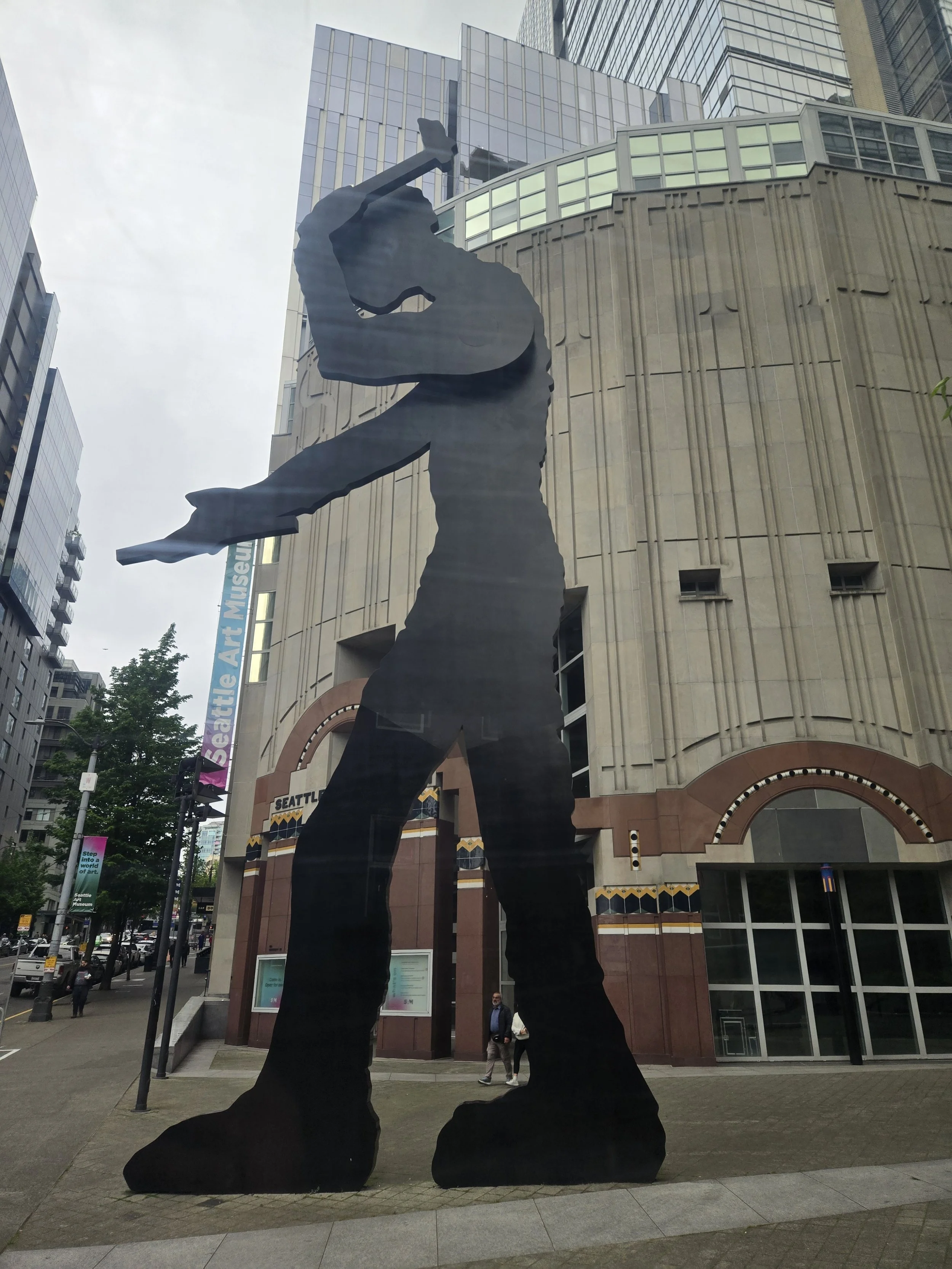
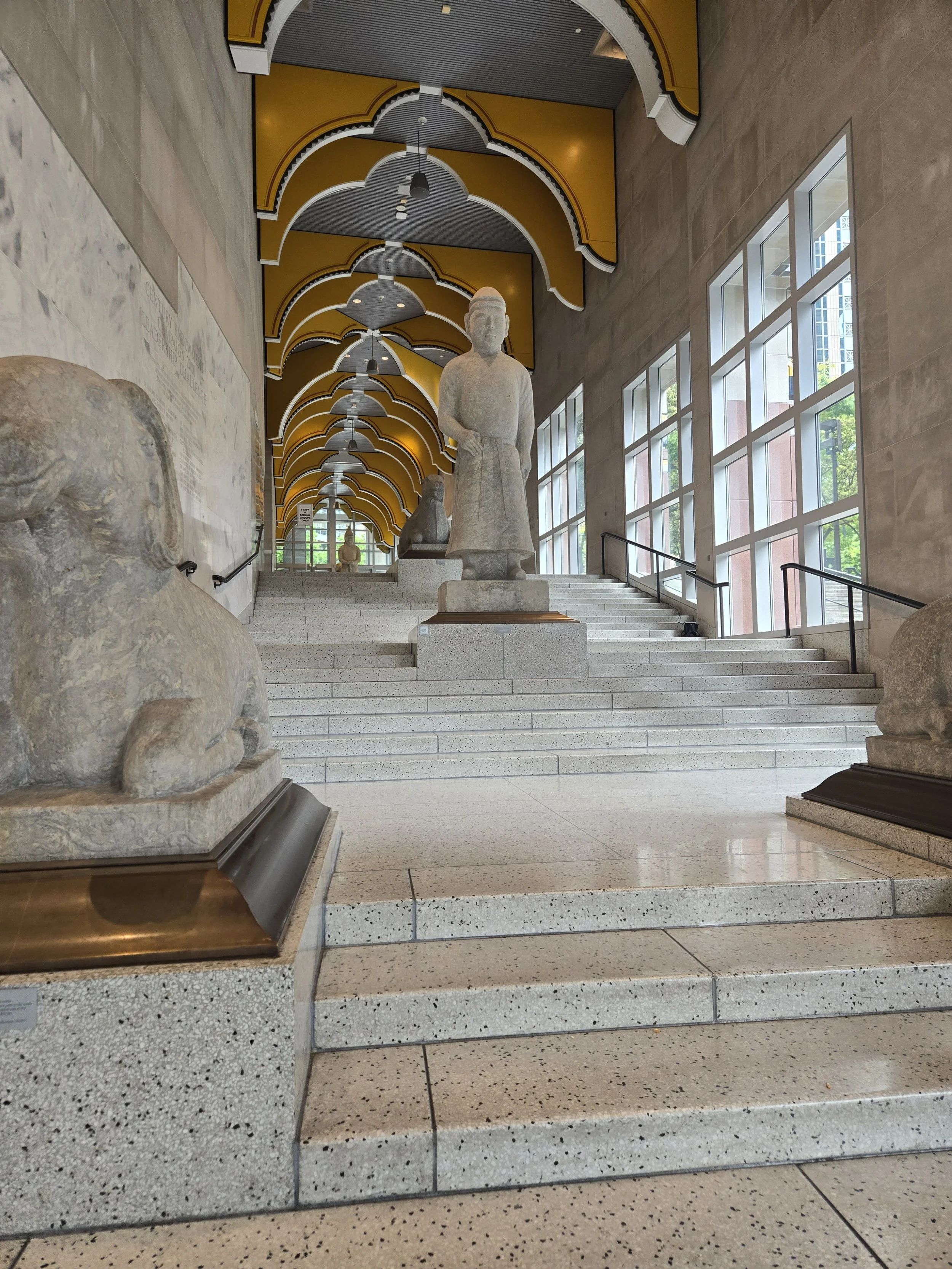
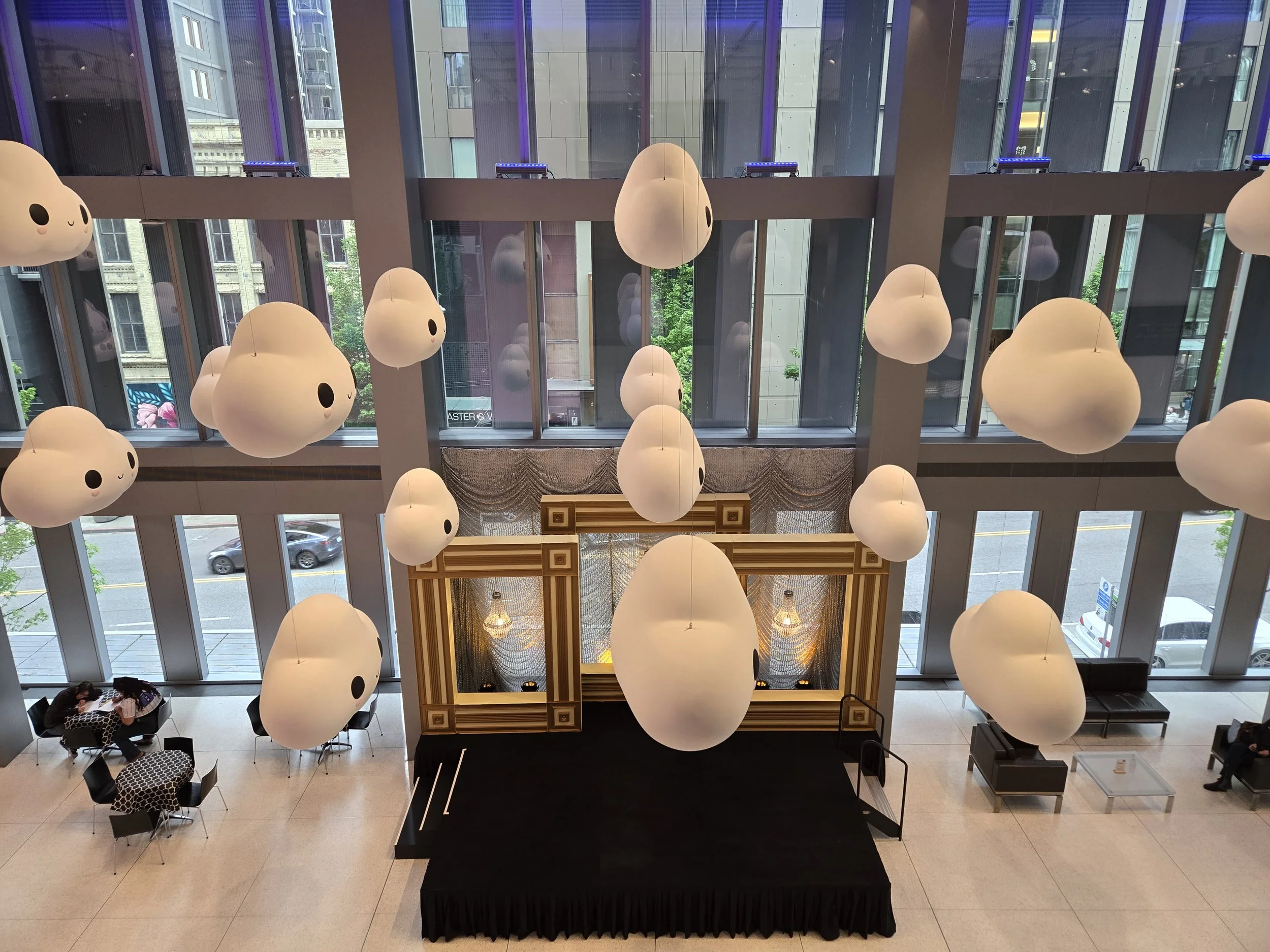
We arrived at the SAM a little after 10 a.m., and we were going to be there until 1 p.m. So here is a small history blurb: Located in downtown Seattle, the Seattle Art Museum (SAM) was founded in 1933 and has become one of the leading visual arts institutions in the Pacific Northwest. The museum features collections from around the world, including modern, contemporary, African, Asian, Native American, and European art. Over the years, SAM has expanded into multiple locations, including the Seattle Asian Art Museum and Olympic Sculpture Park.
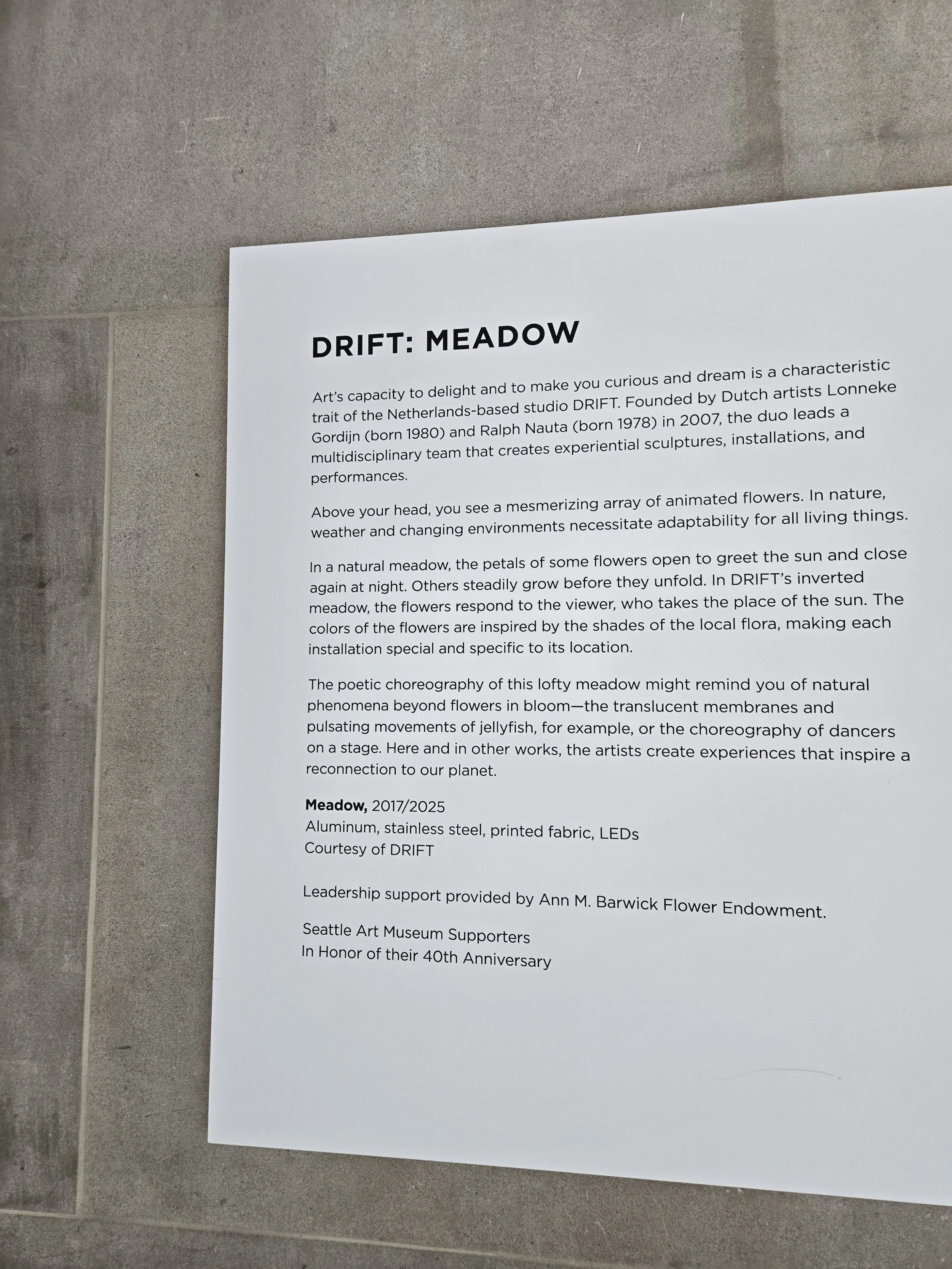
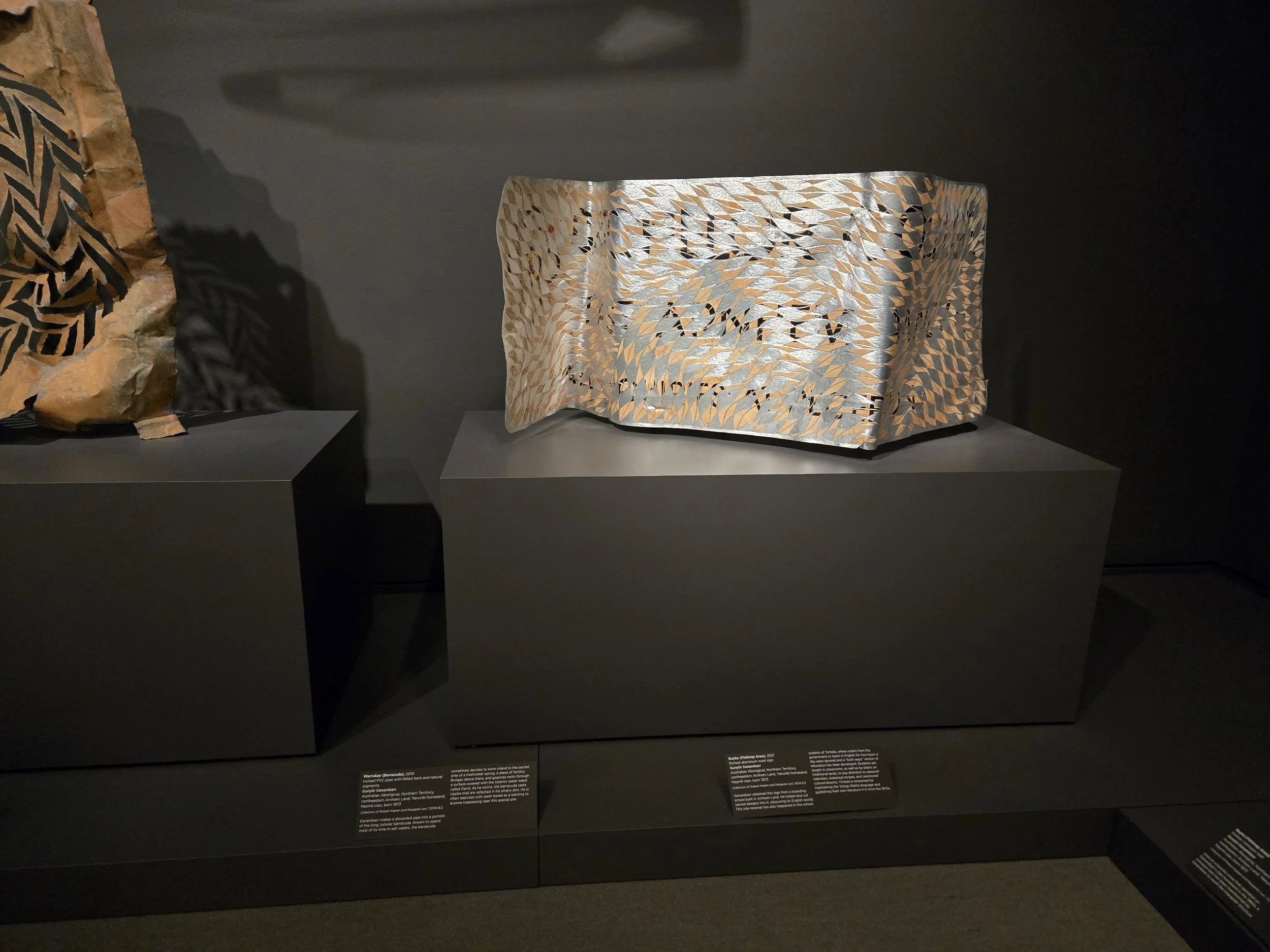
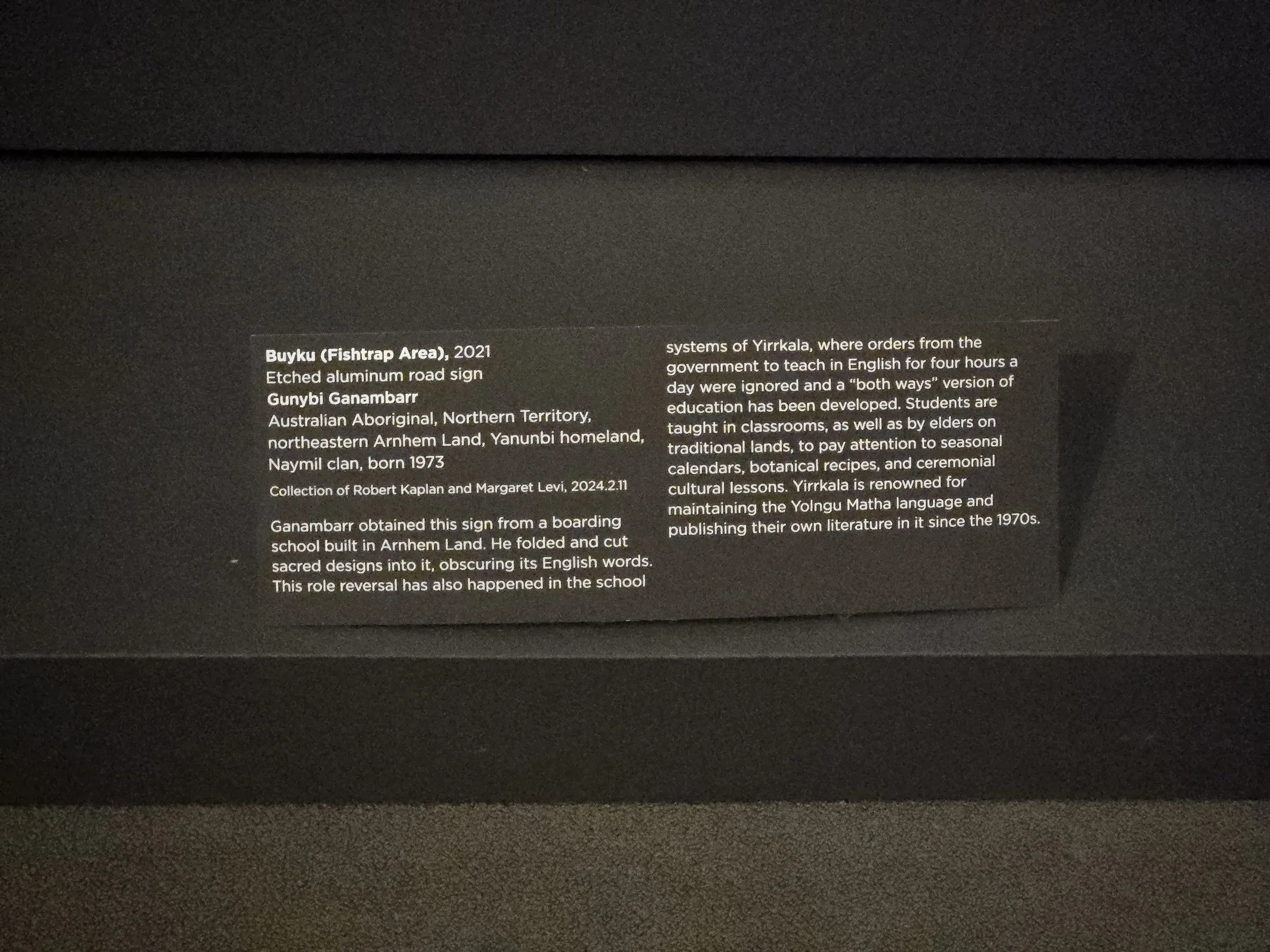
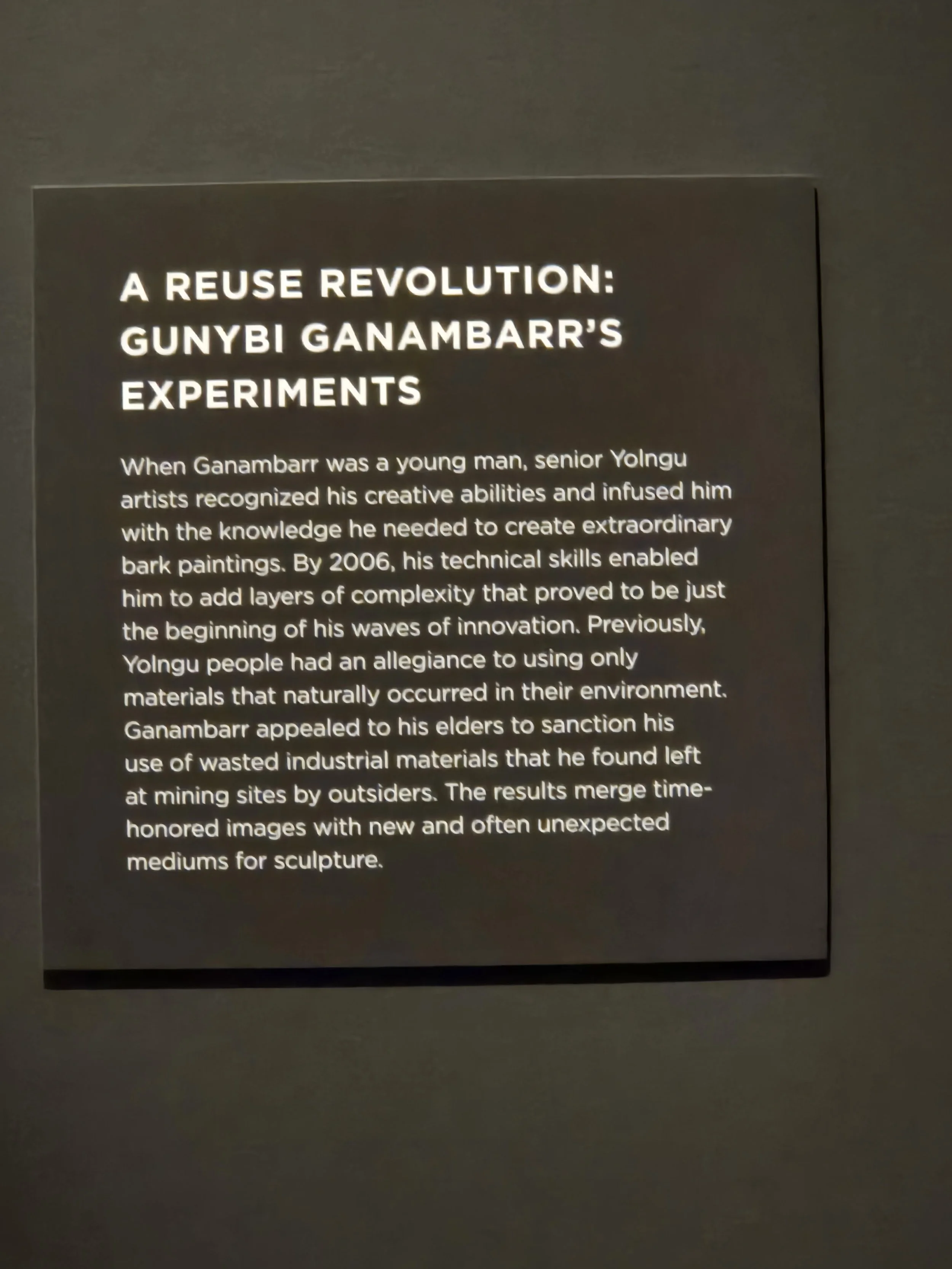
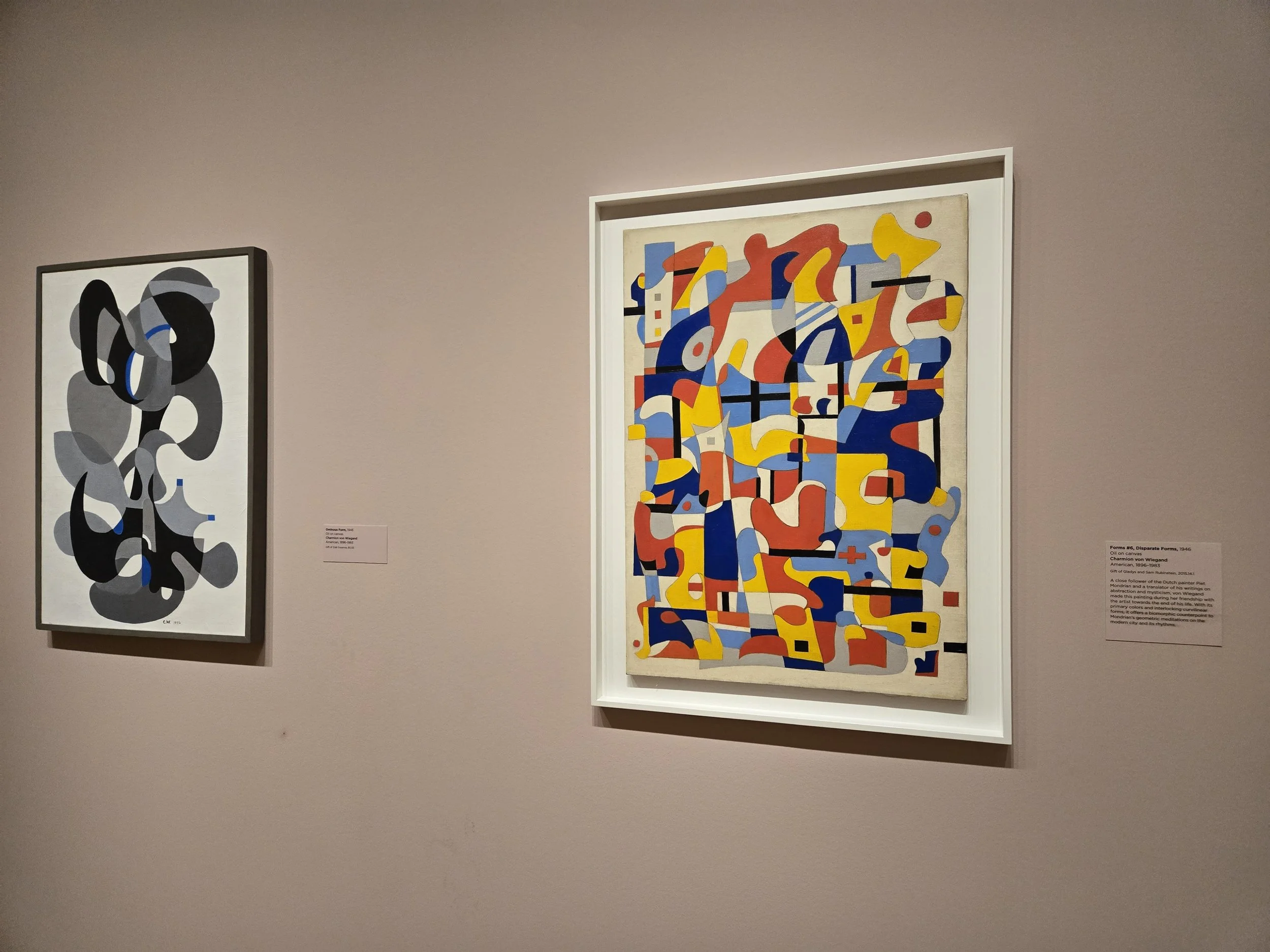
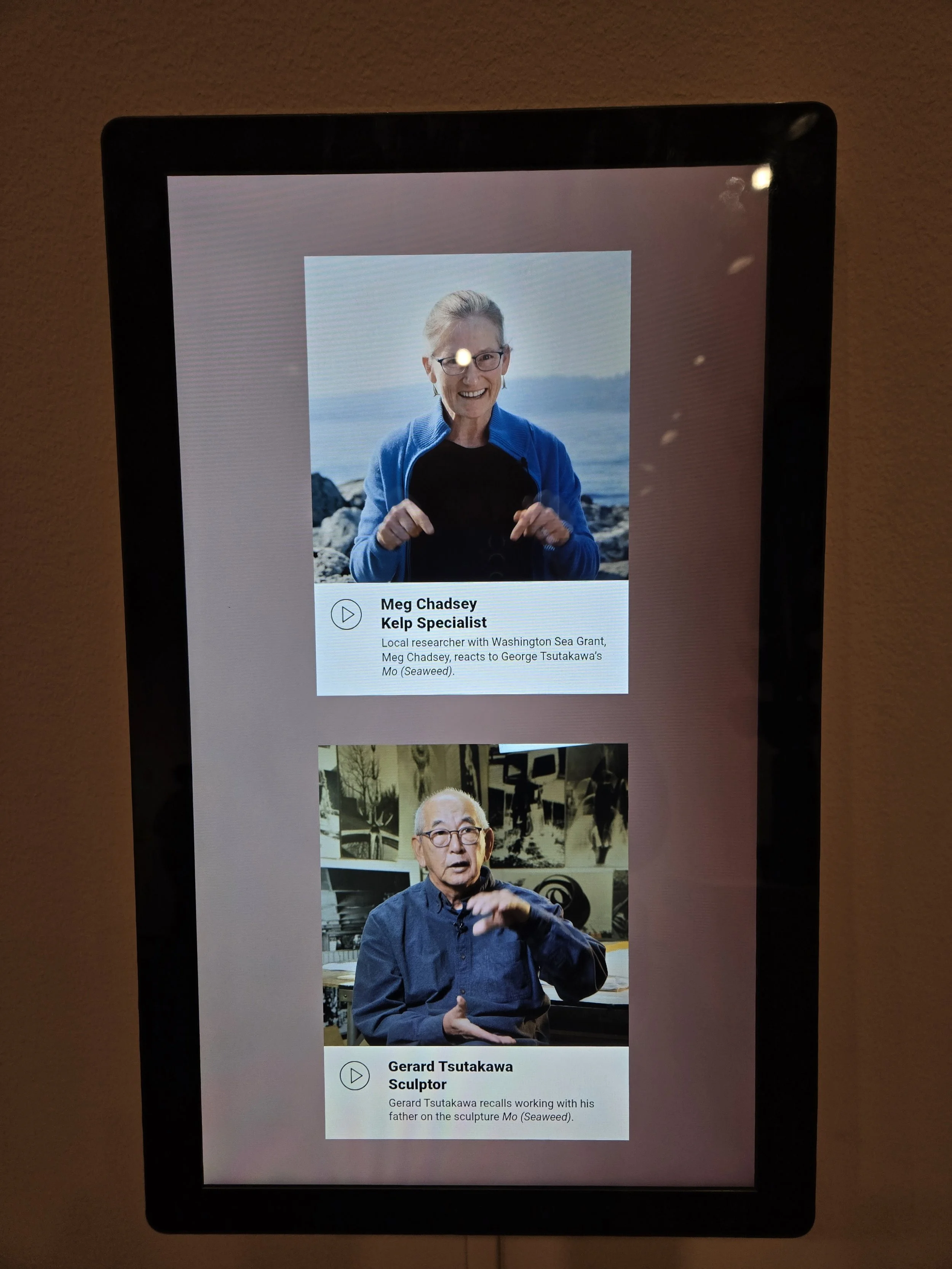
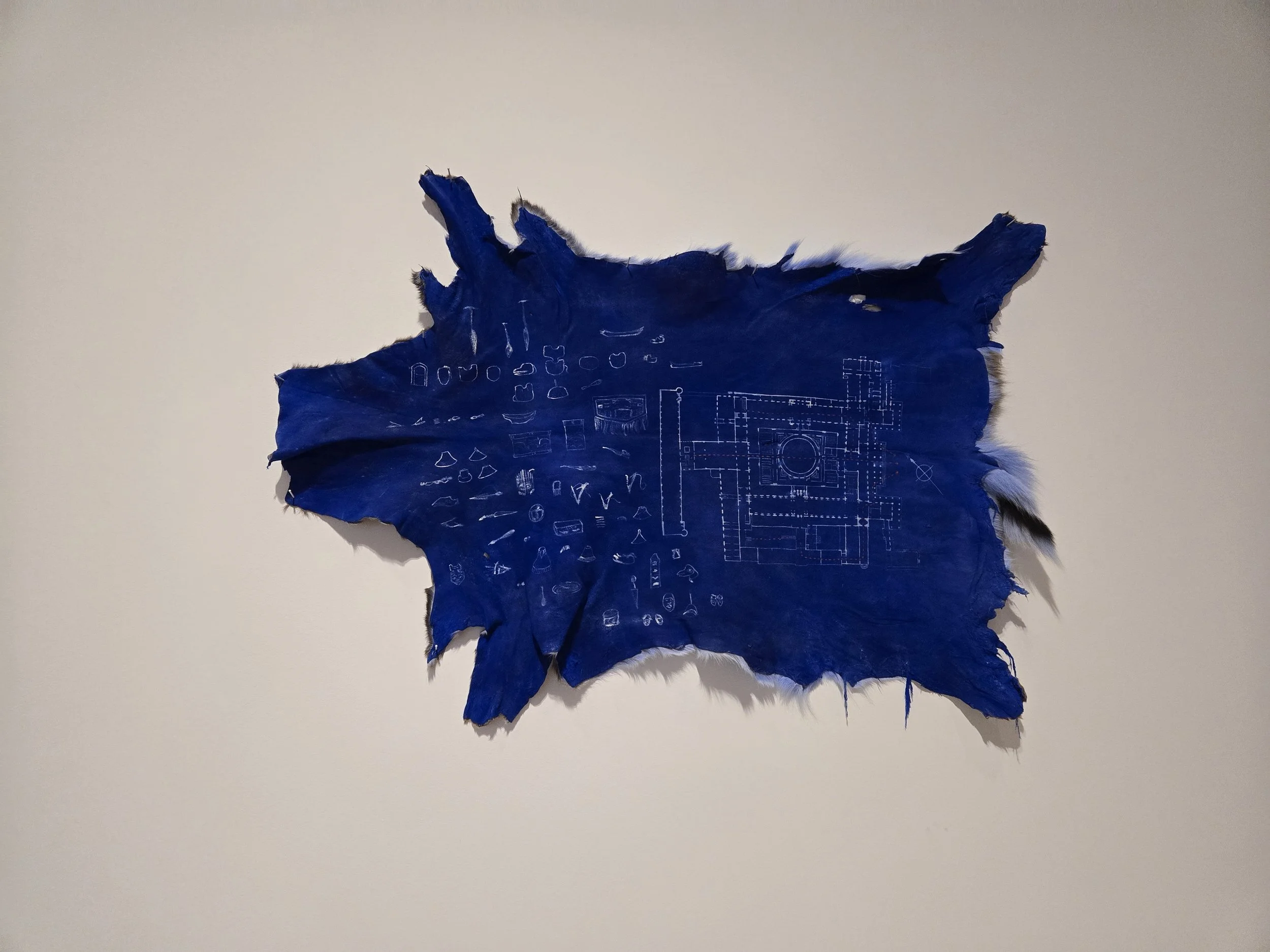
What I saw in SAM was a mix of historical and modern-day art pieces, but what caught my eye was “A Reuse Revolution: Gunybi Ganambarr's Experiments.” He uses his technical skills and talent to capture waste and create interesting art pieces. It is very dark blue, which to me looked more like a blueprint of something.
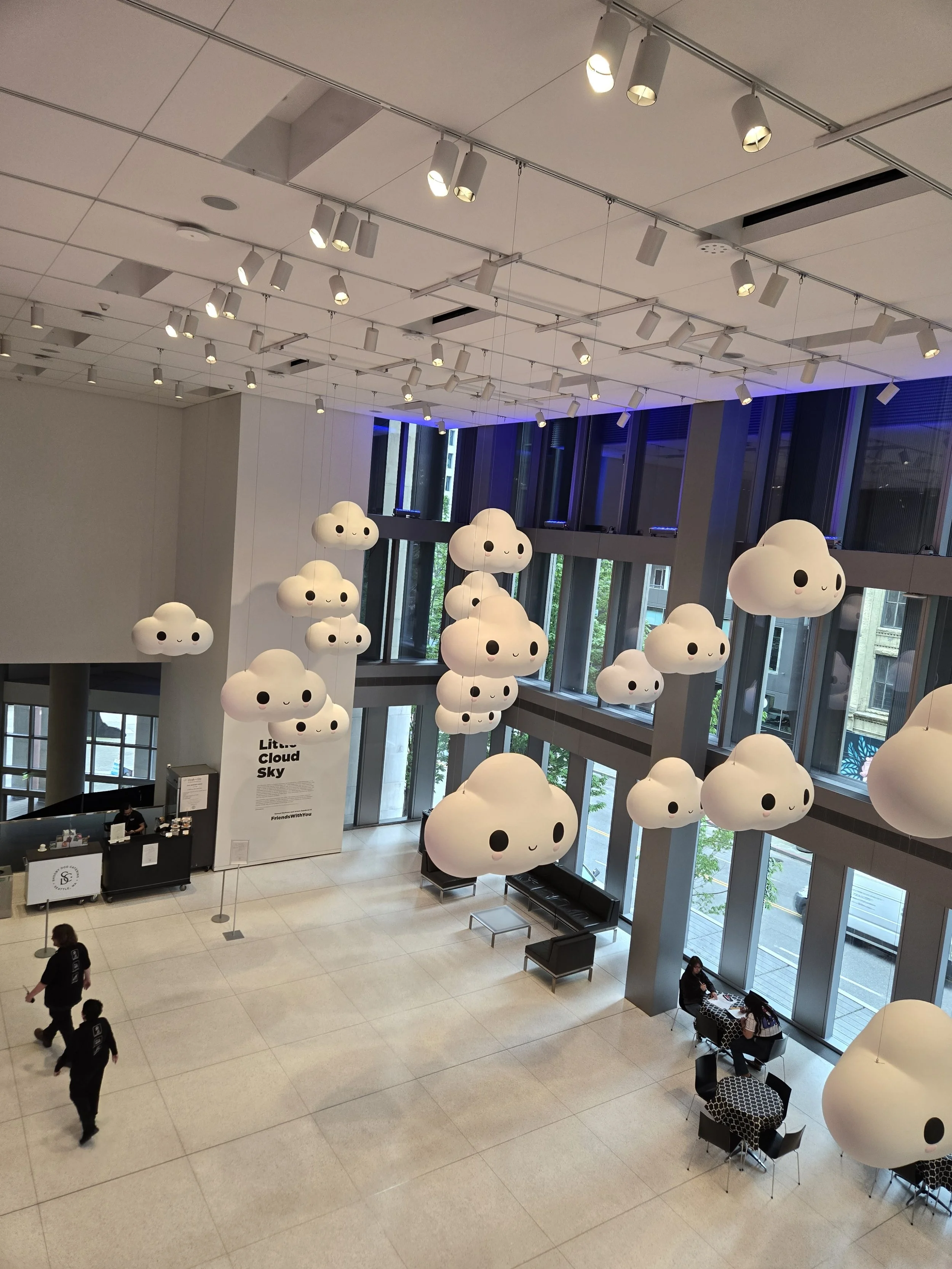
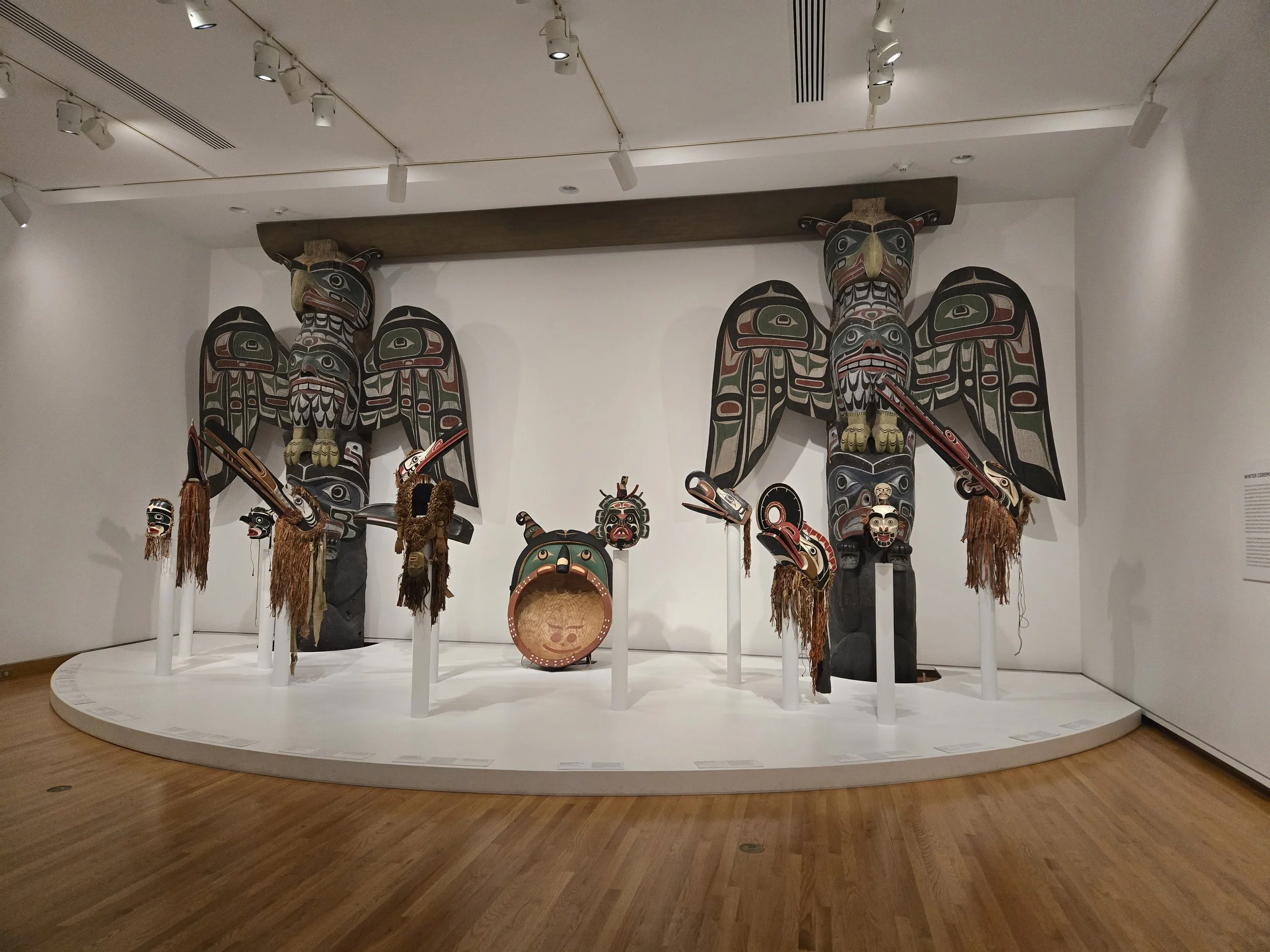
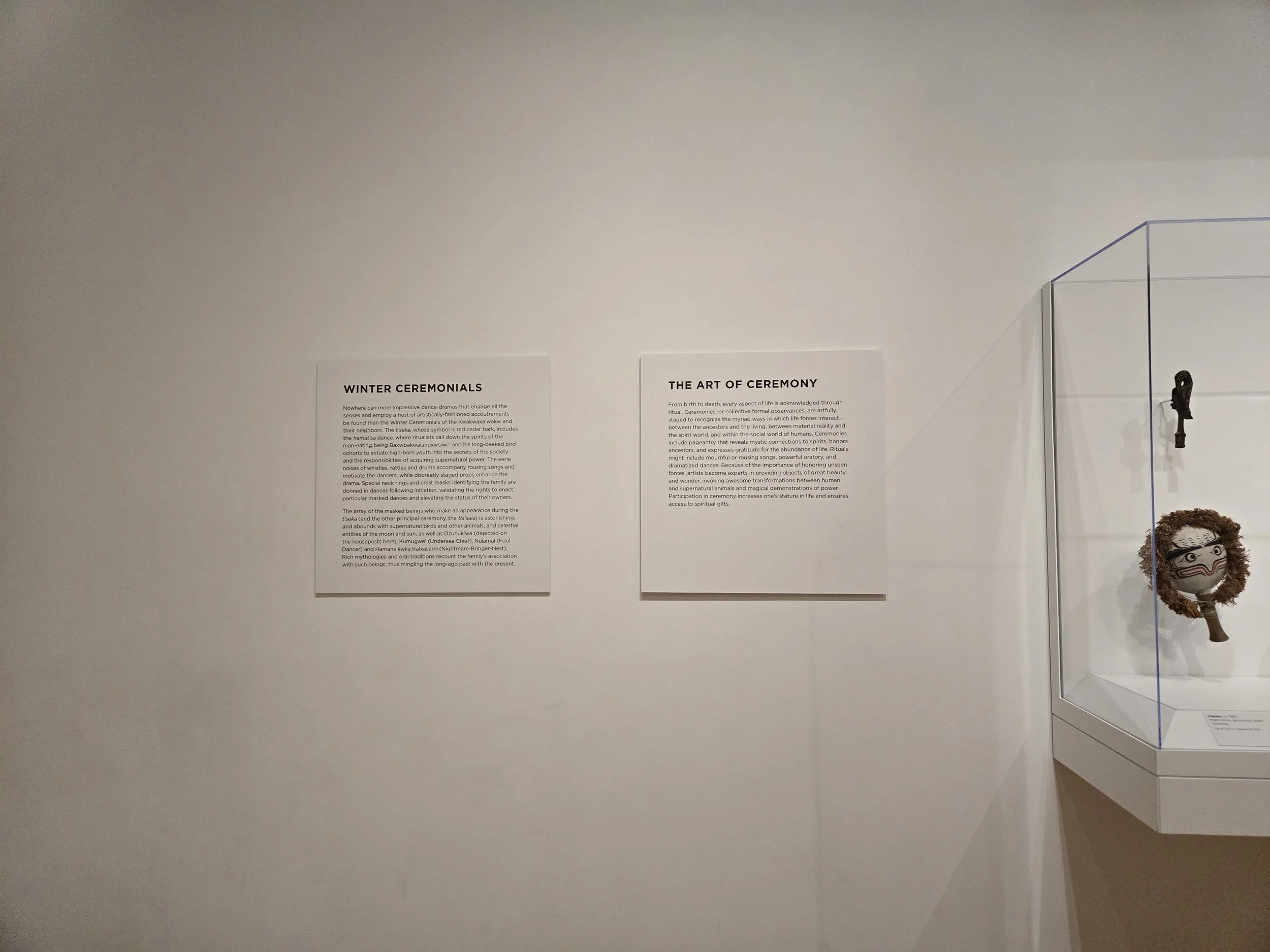
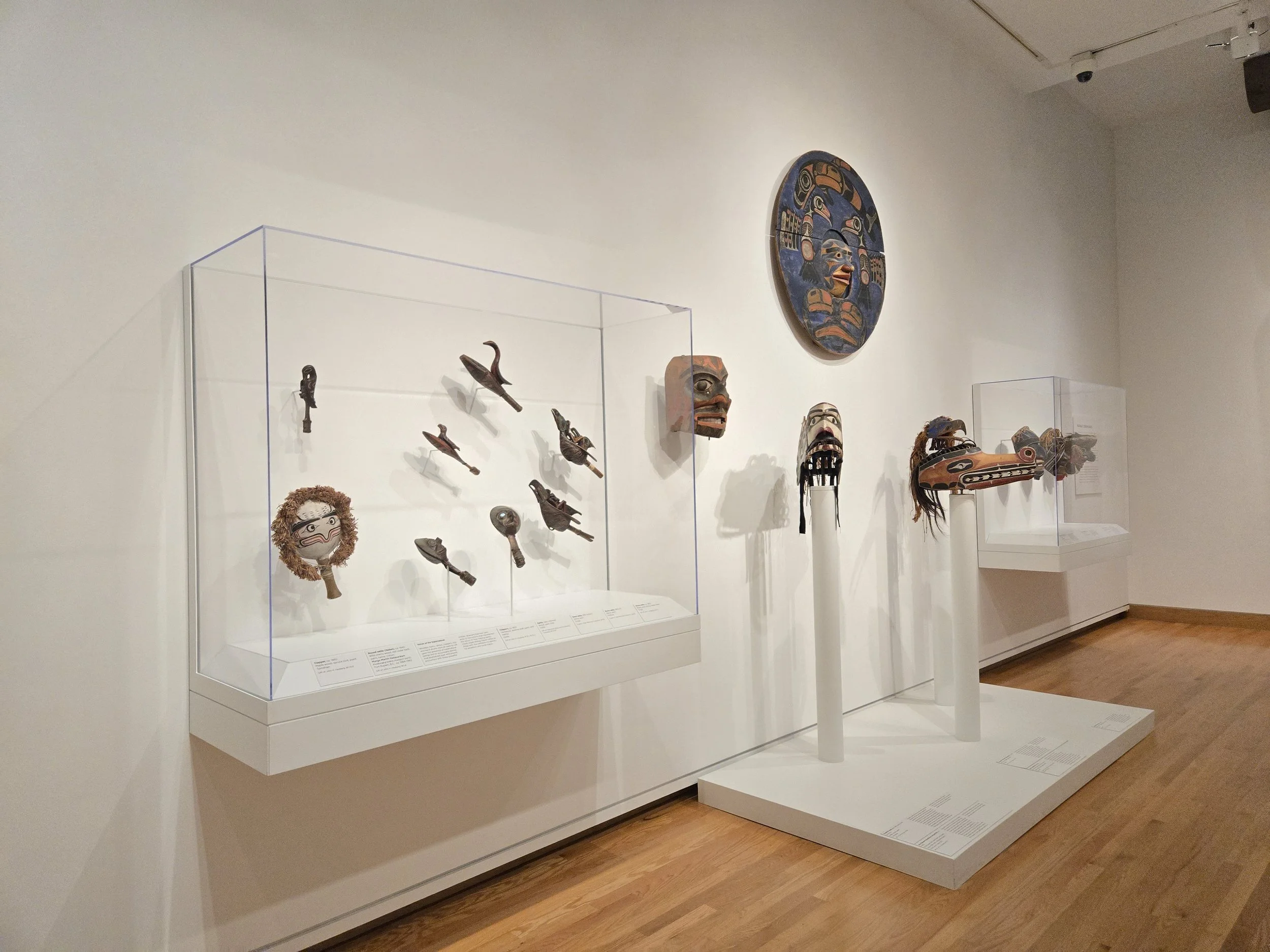
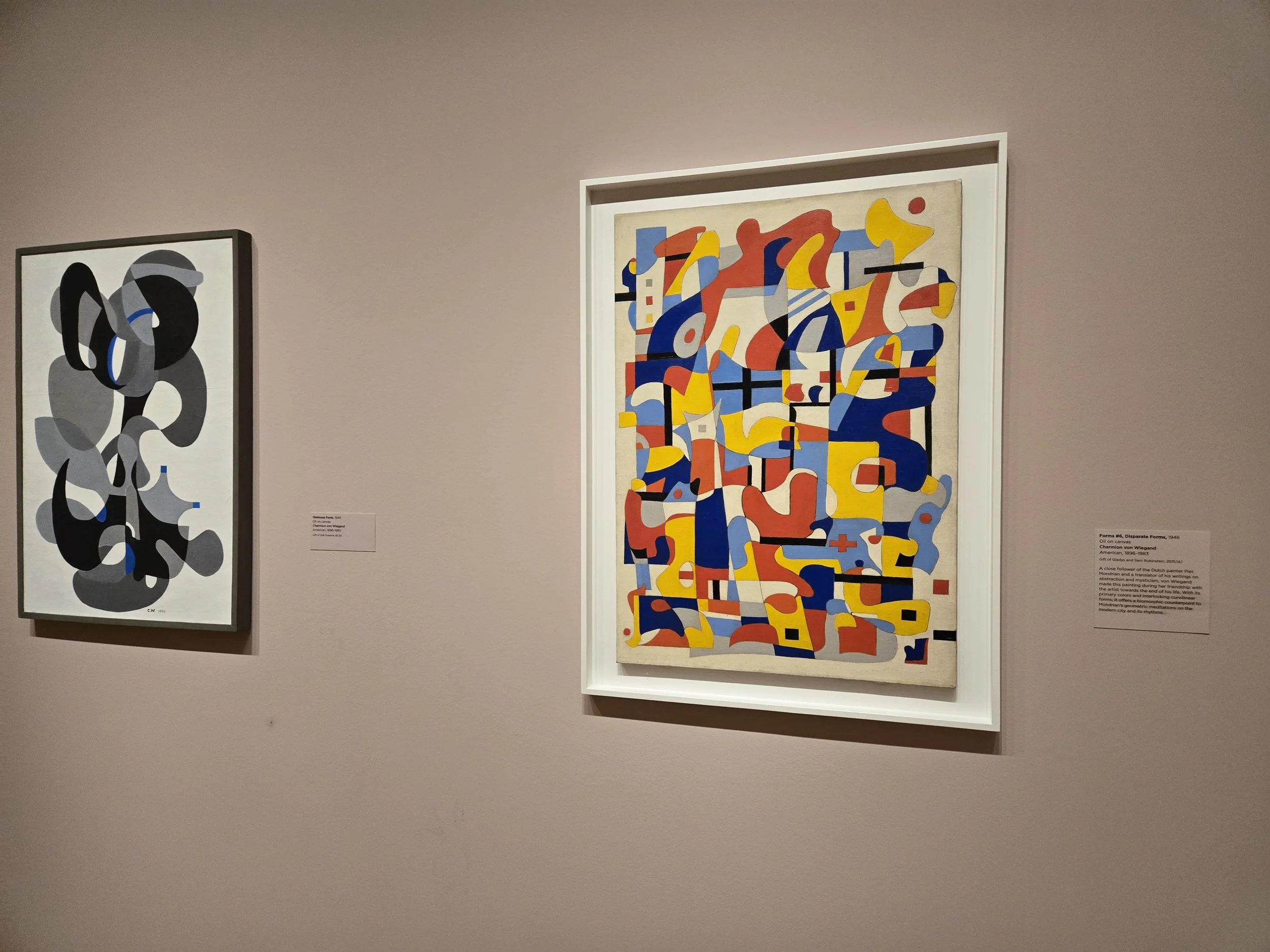
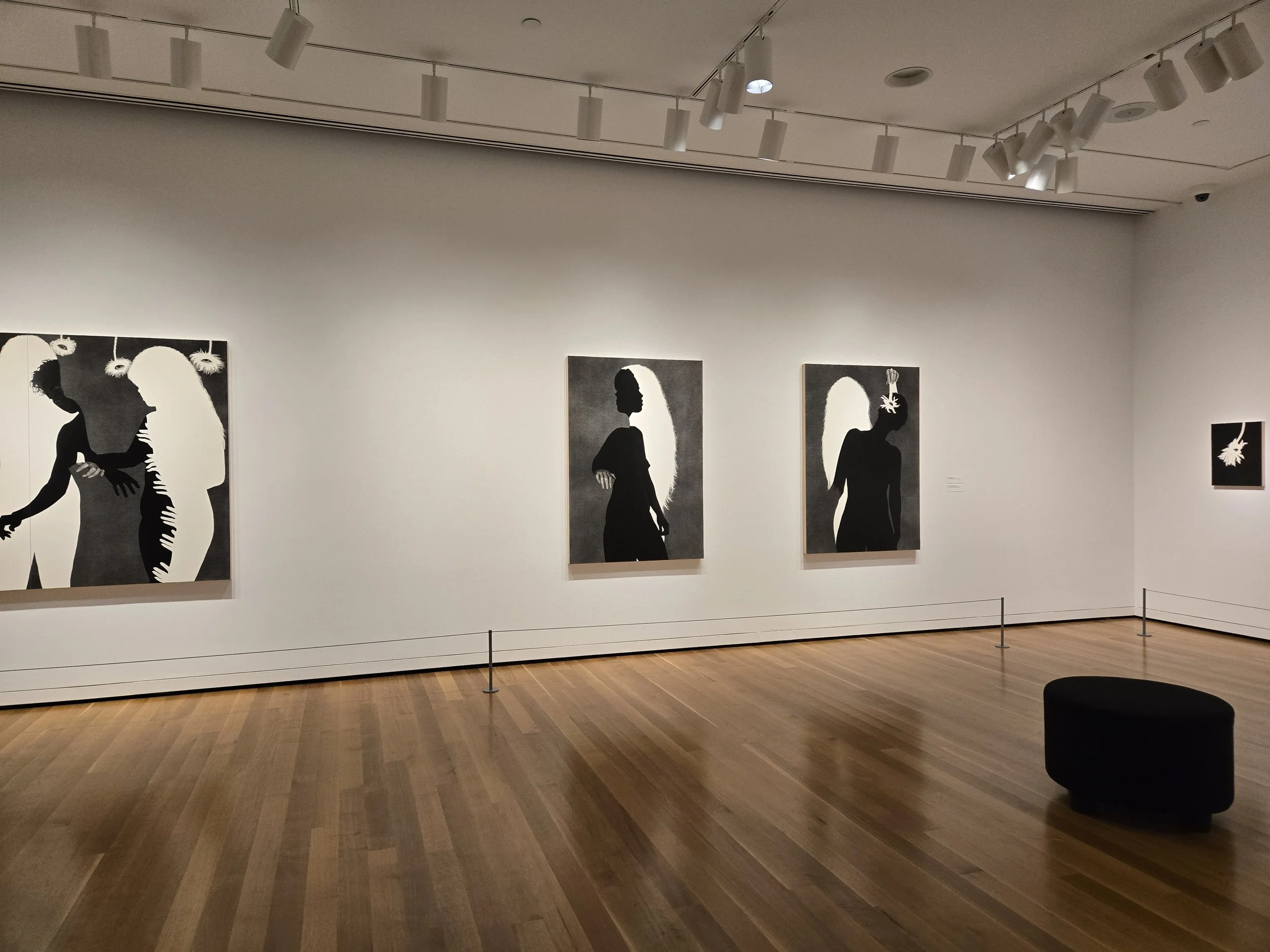
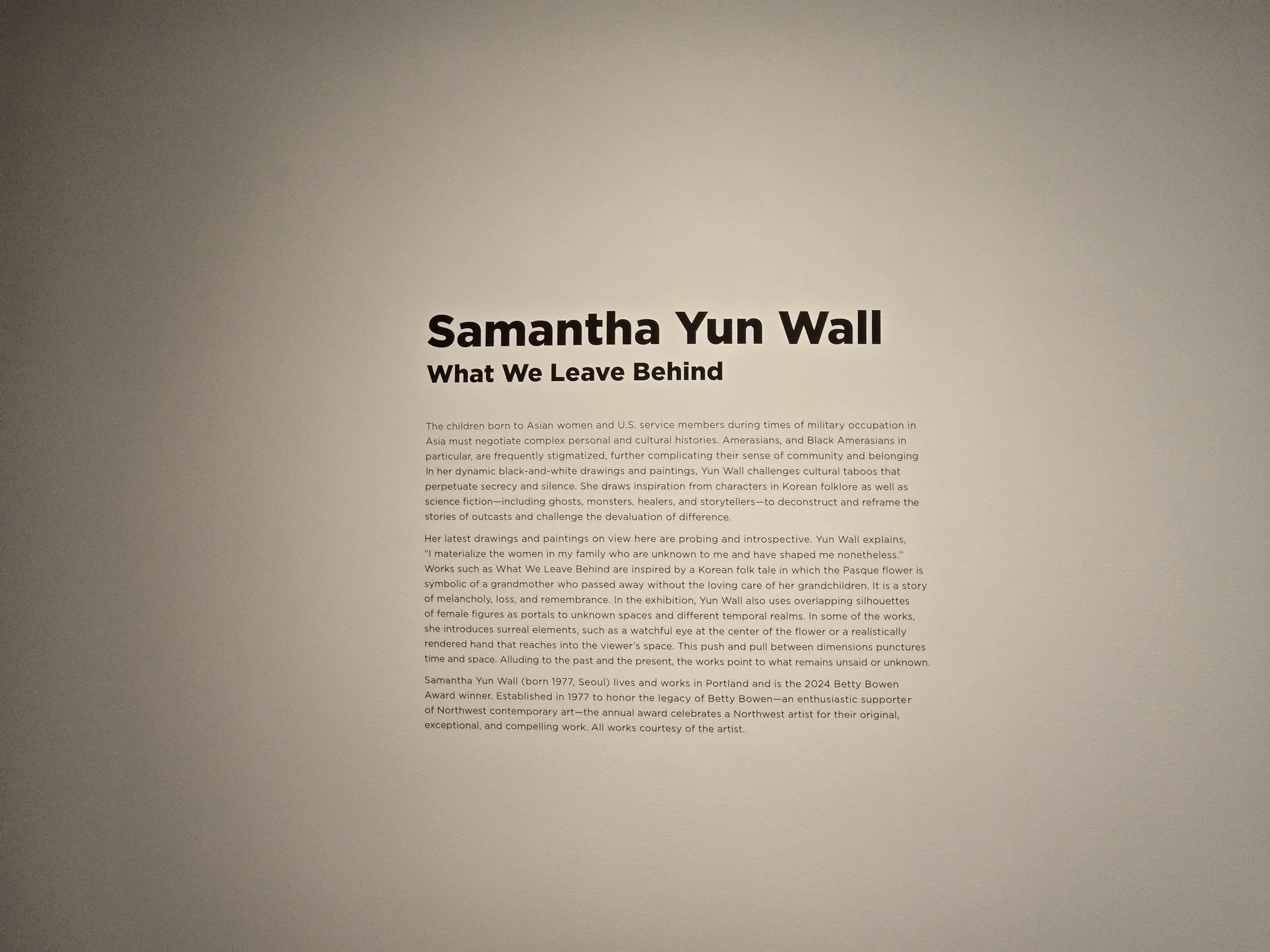
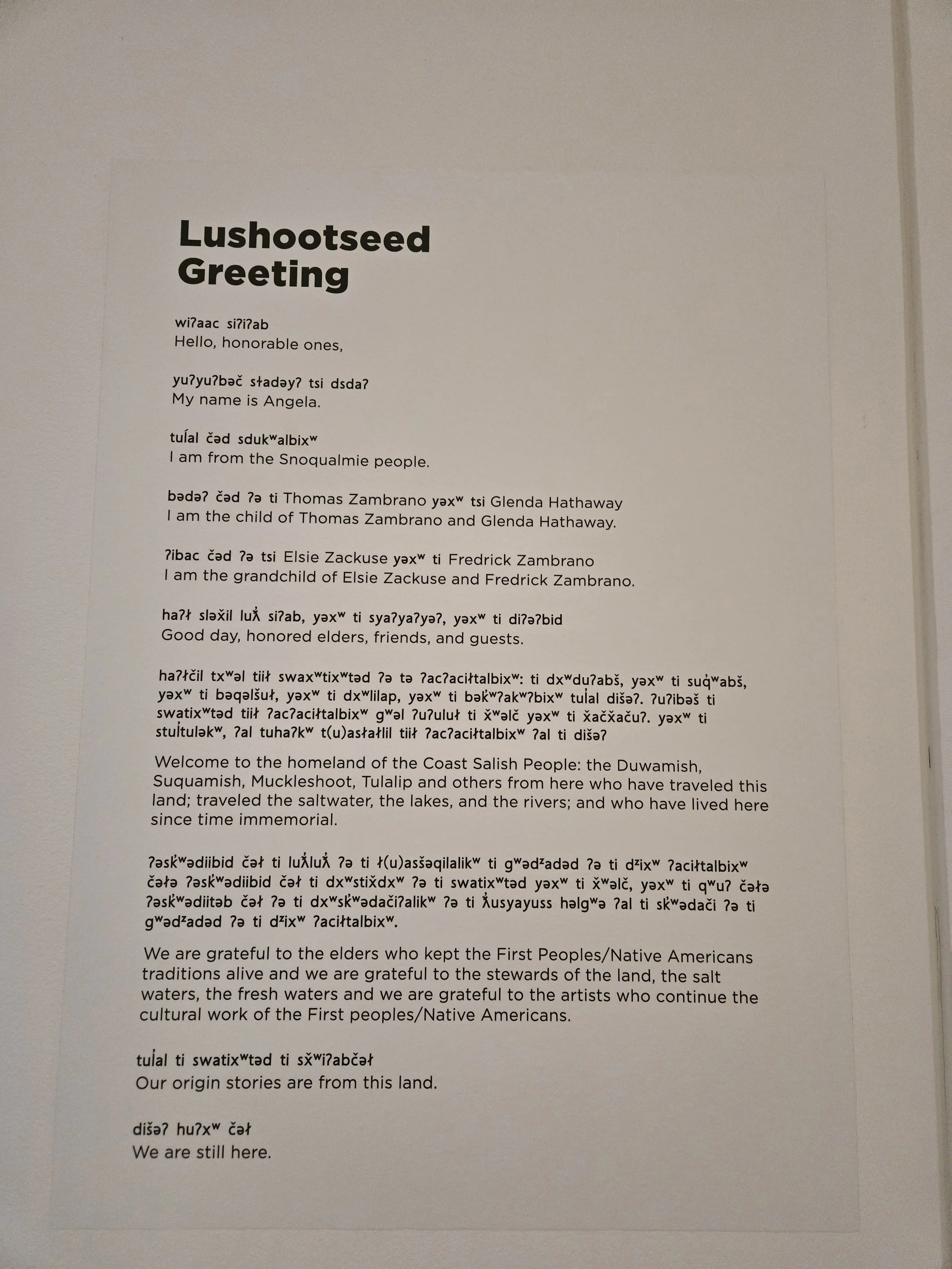
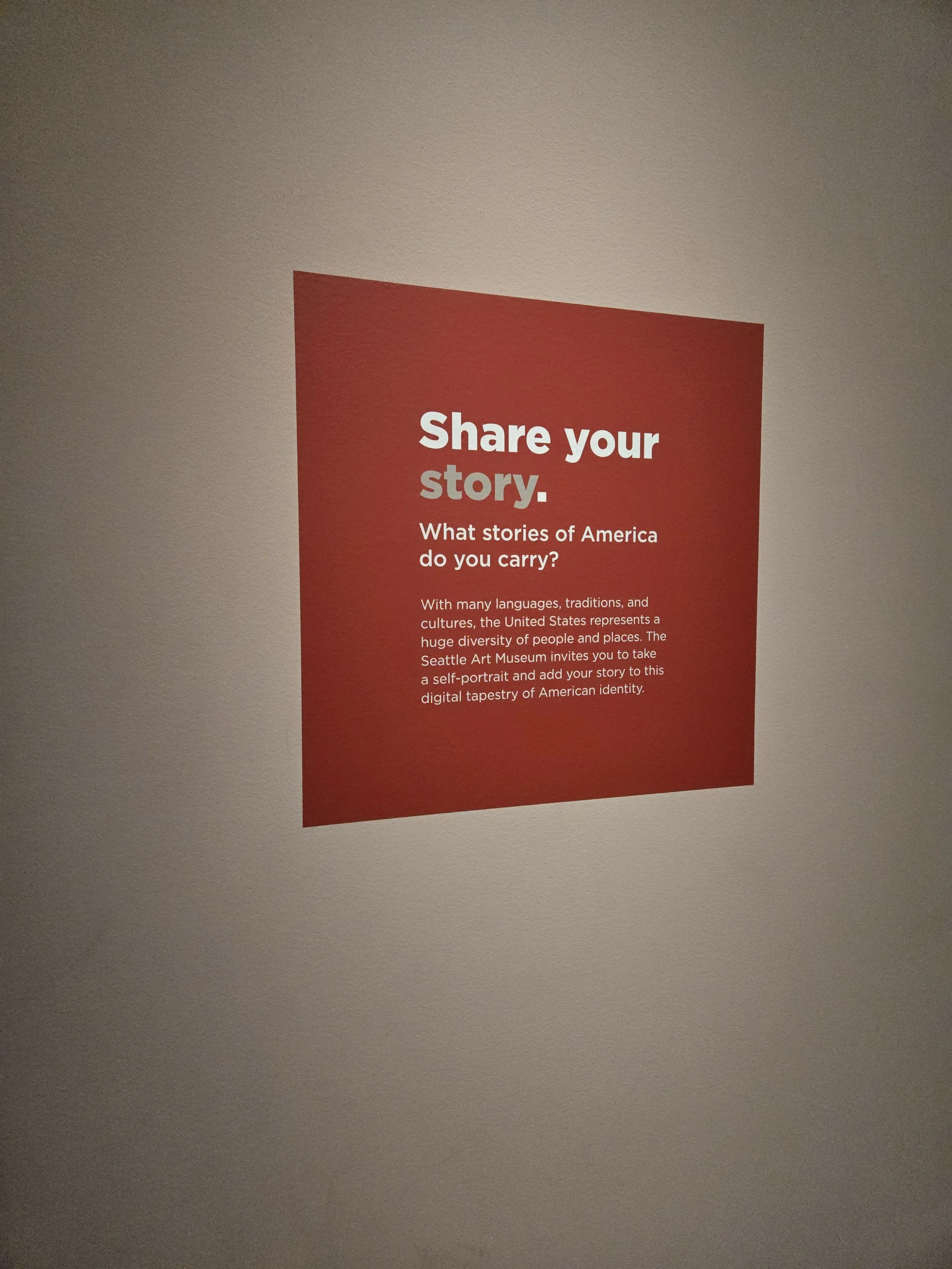
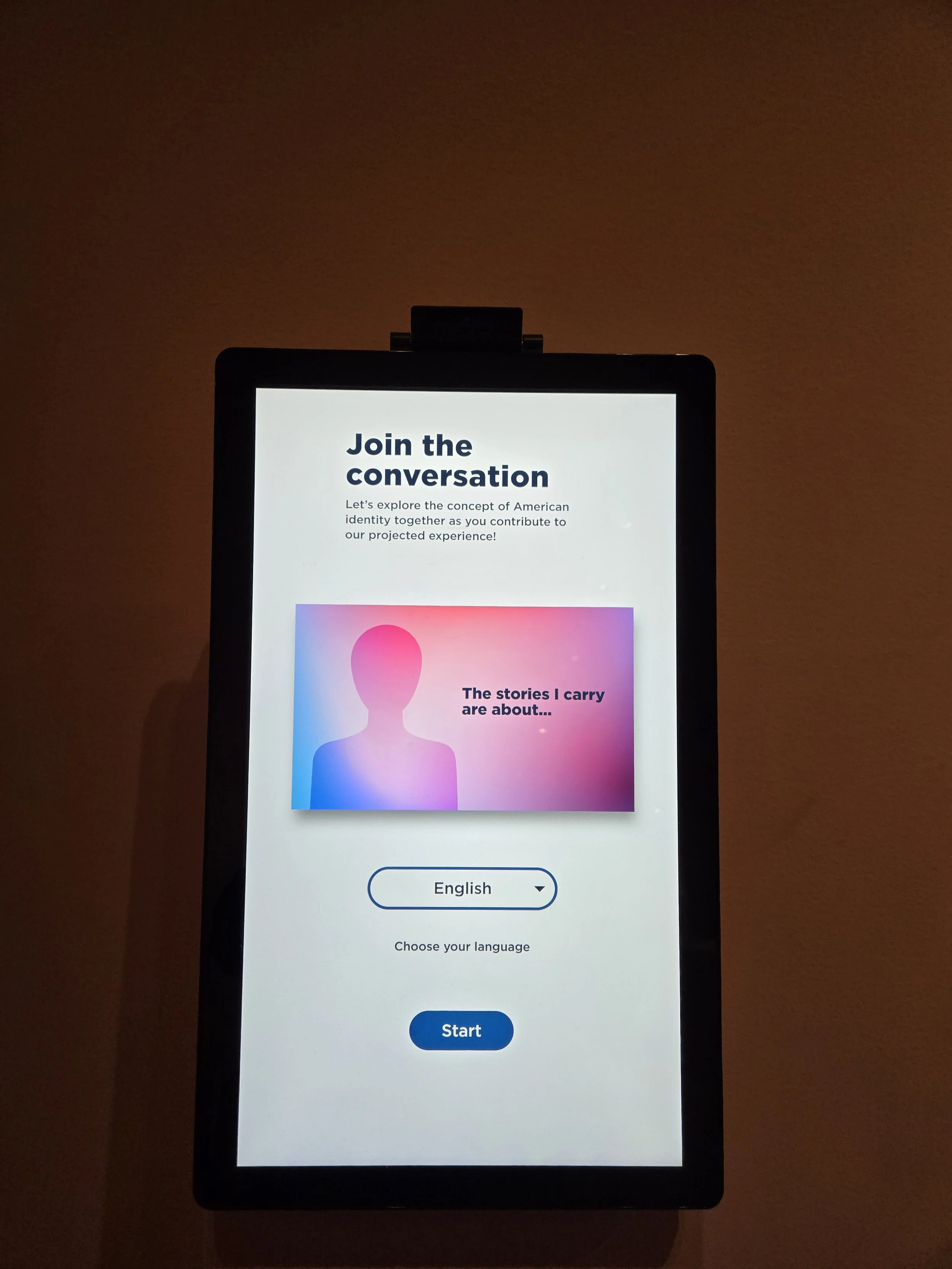
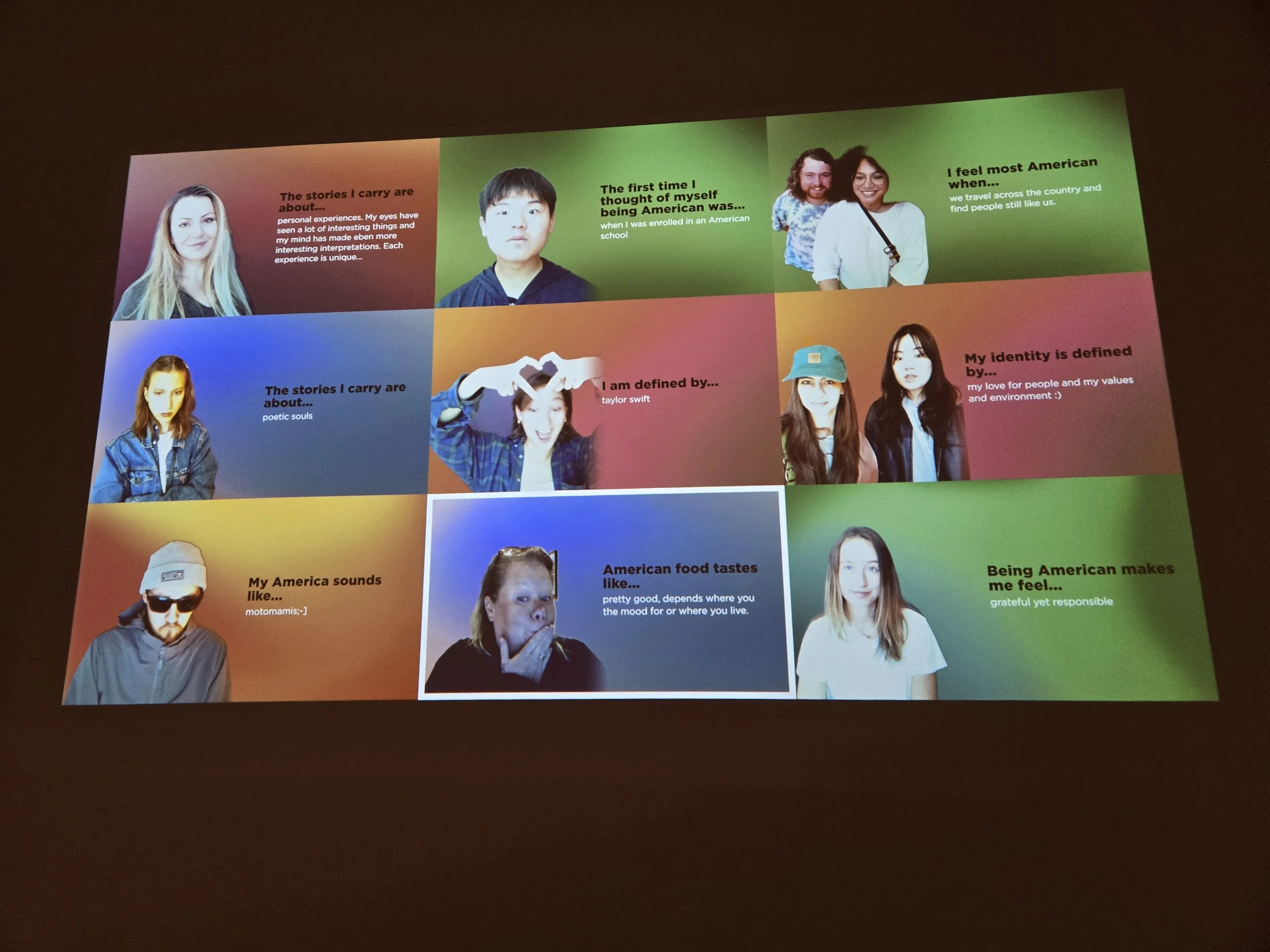
As I traveled through the museum, there was a lot of Seattle Native history being shown through the artwork. Do not take my word for it, check out these photos before we travel to the next museum.
If you’re interested in visiting, I’ve included a
button that will take you directly to their website.
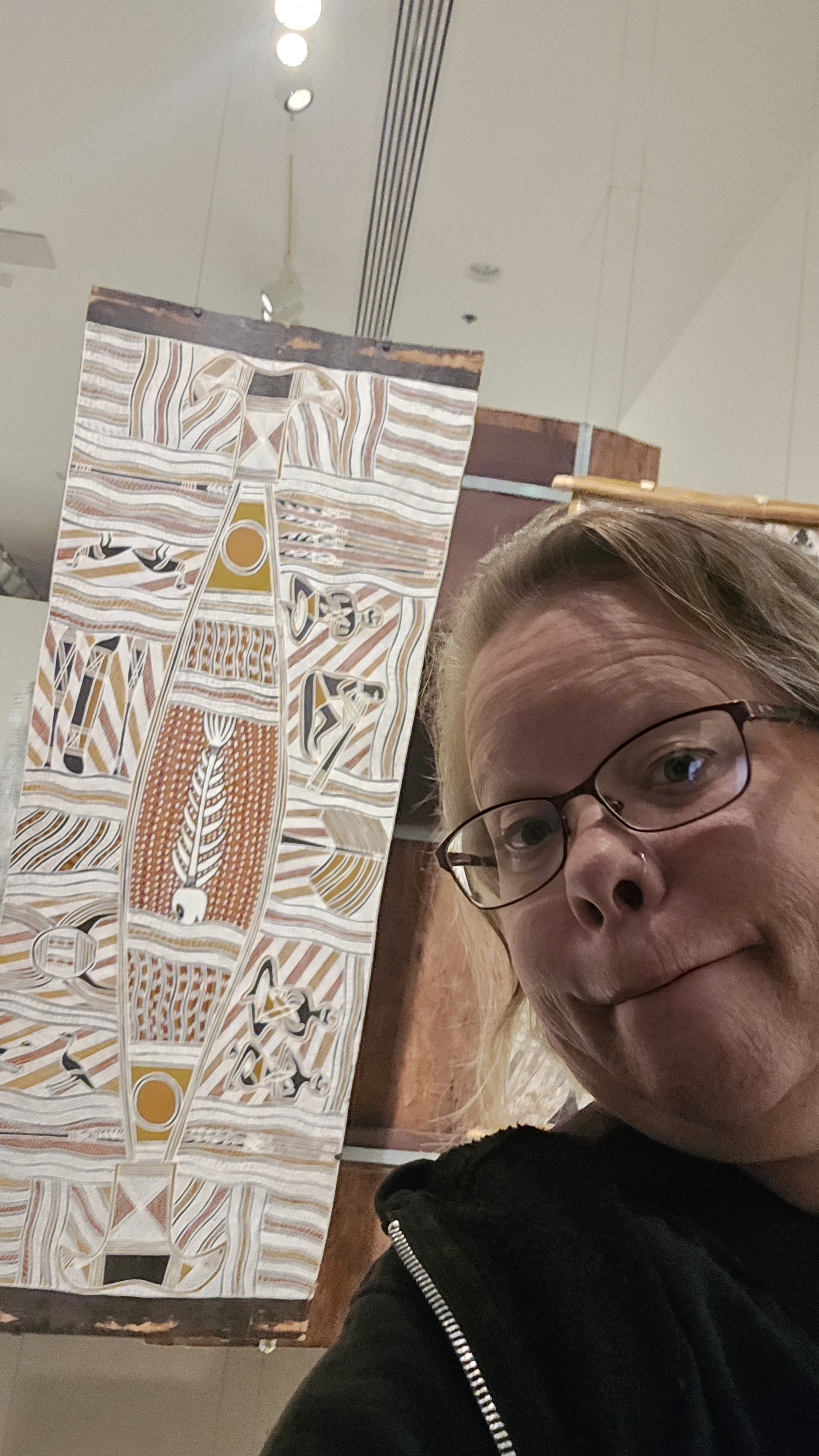
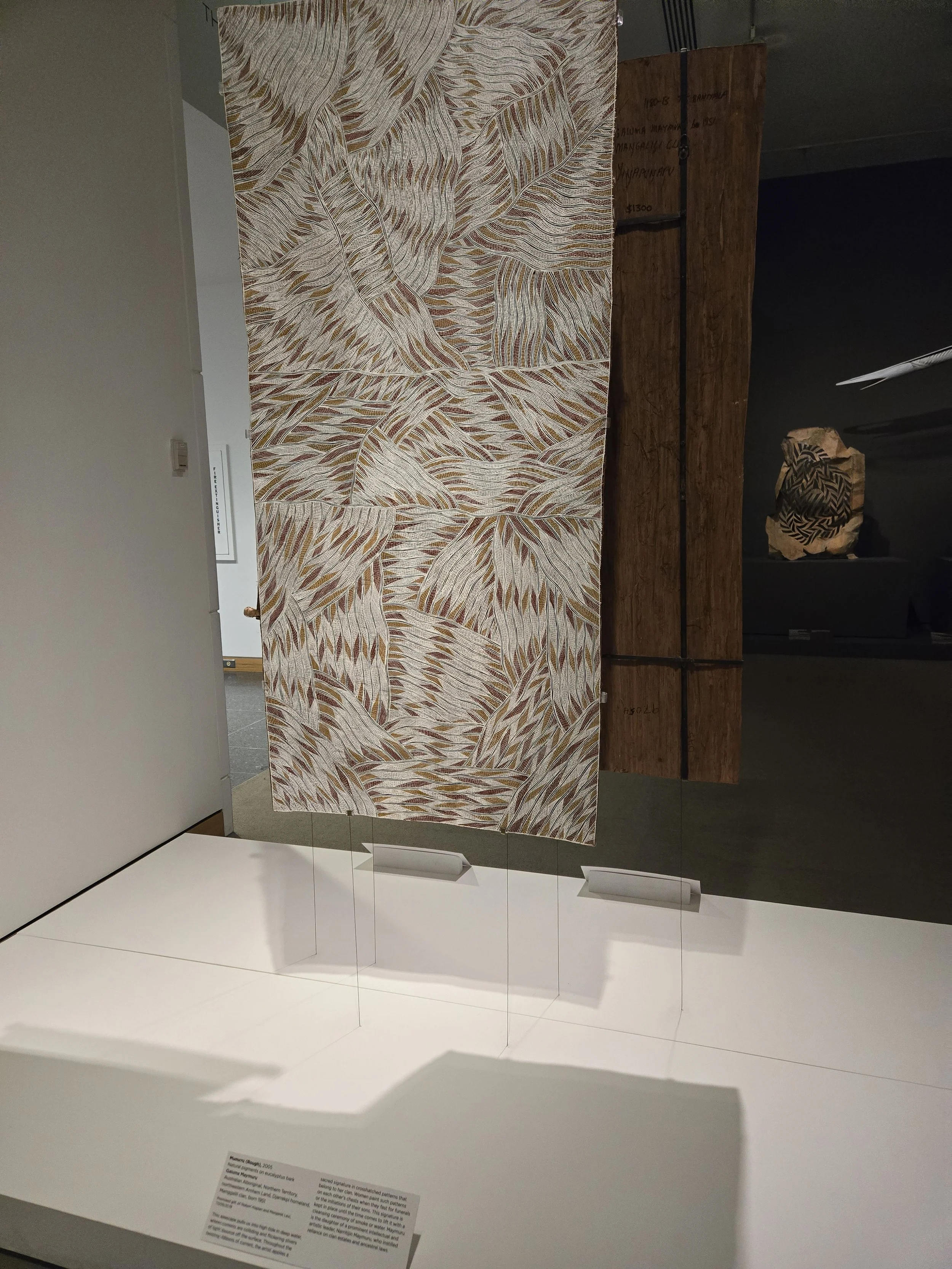
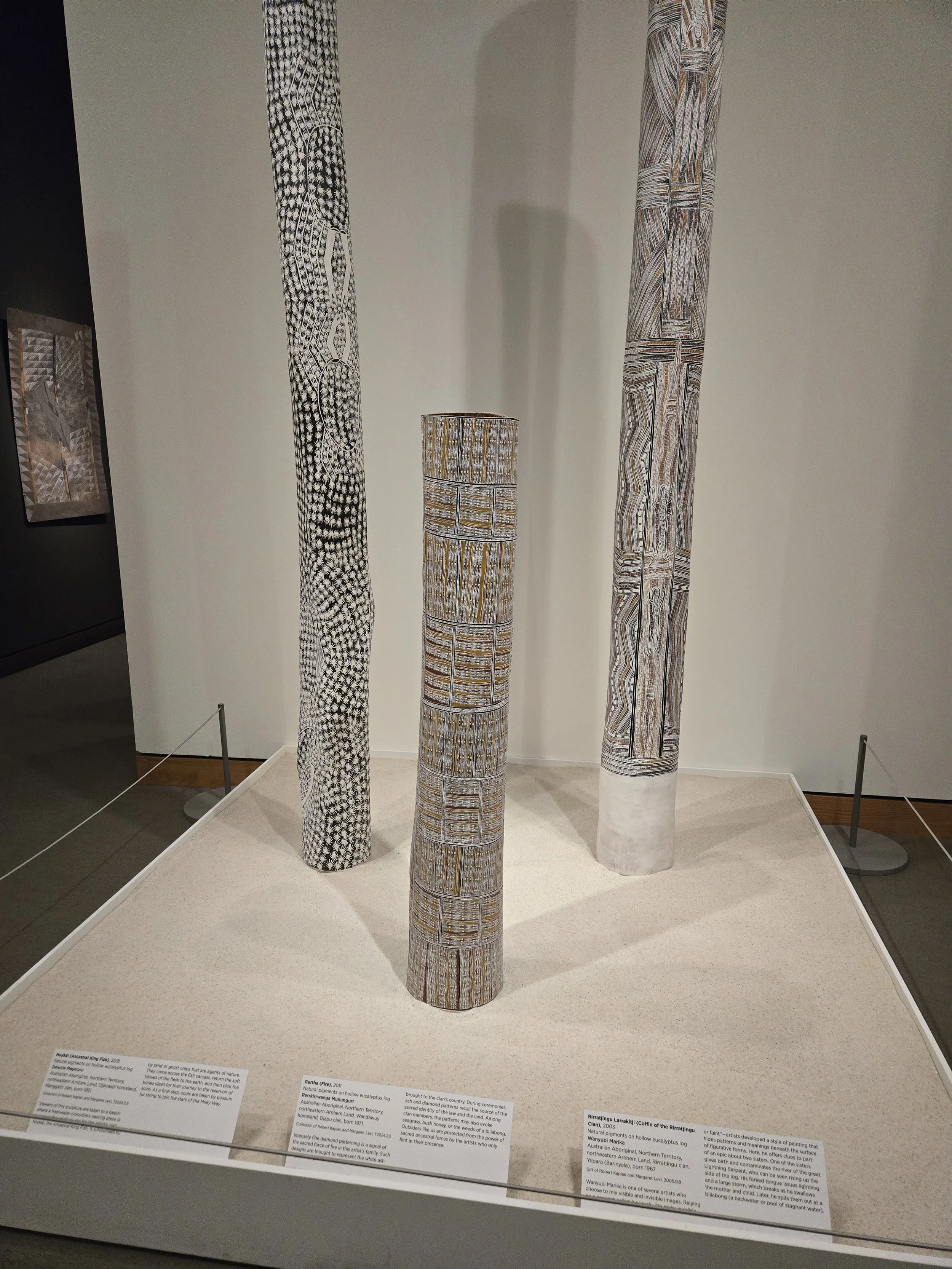
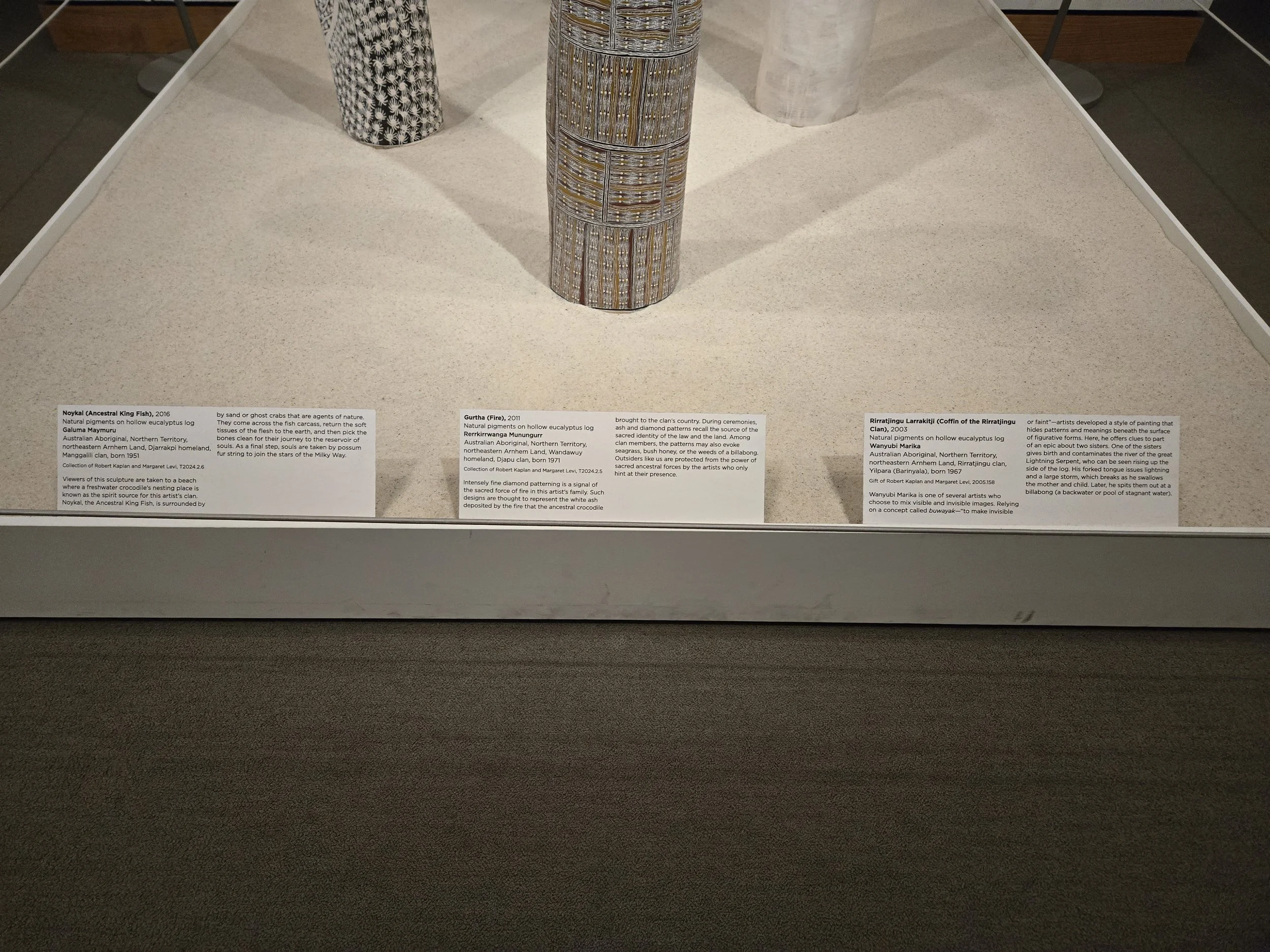
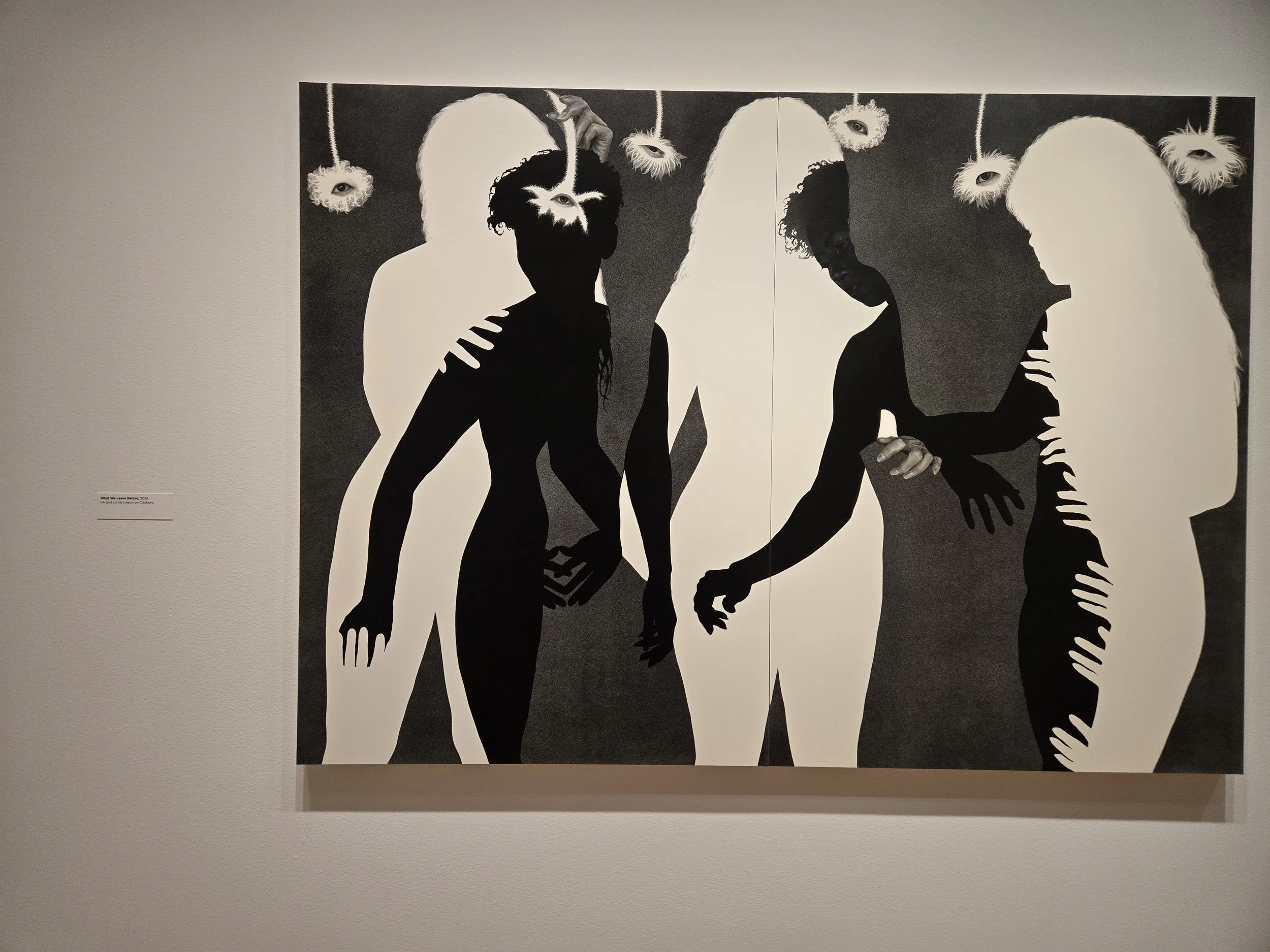
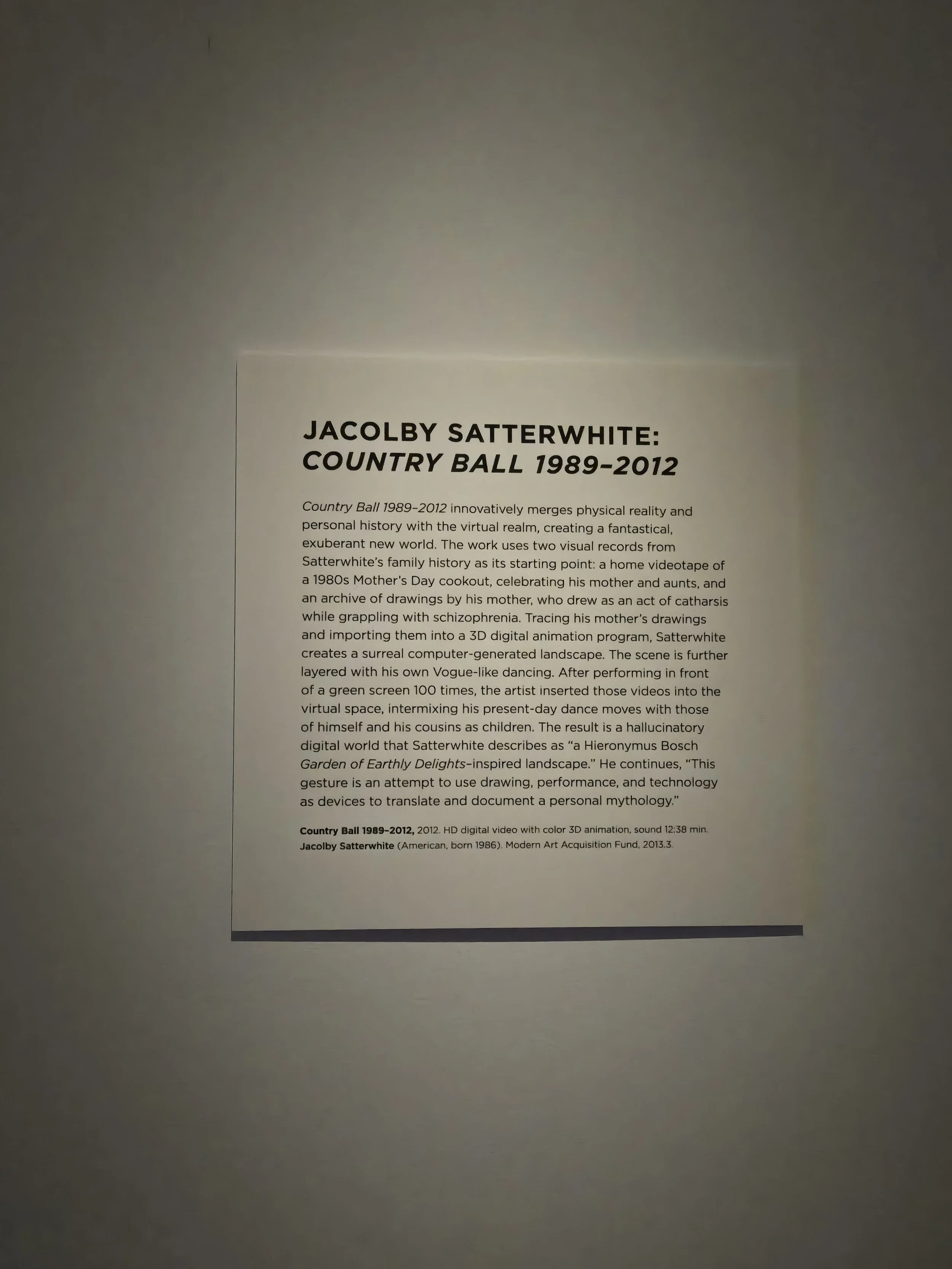
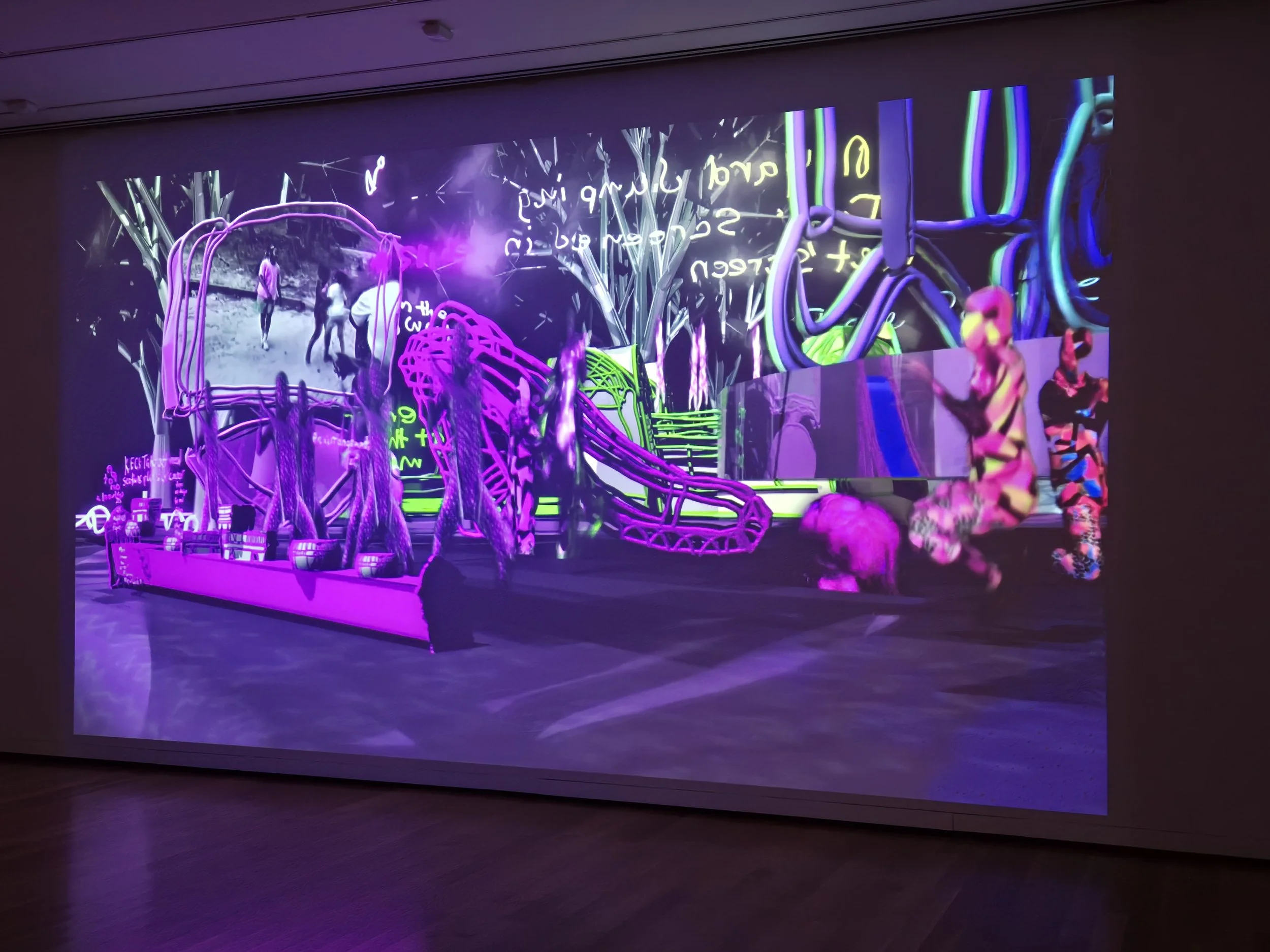
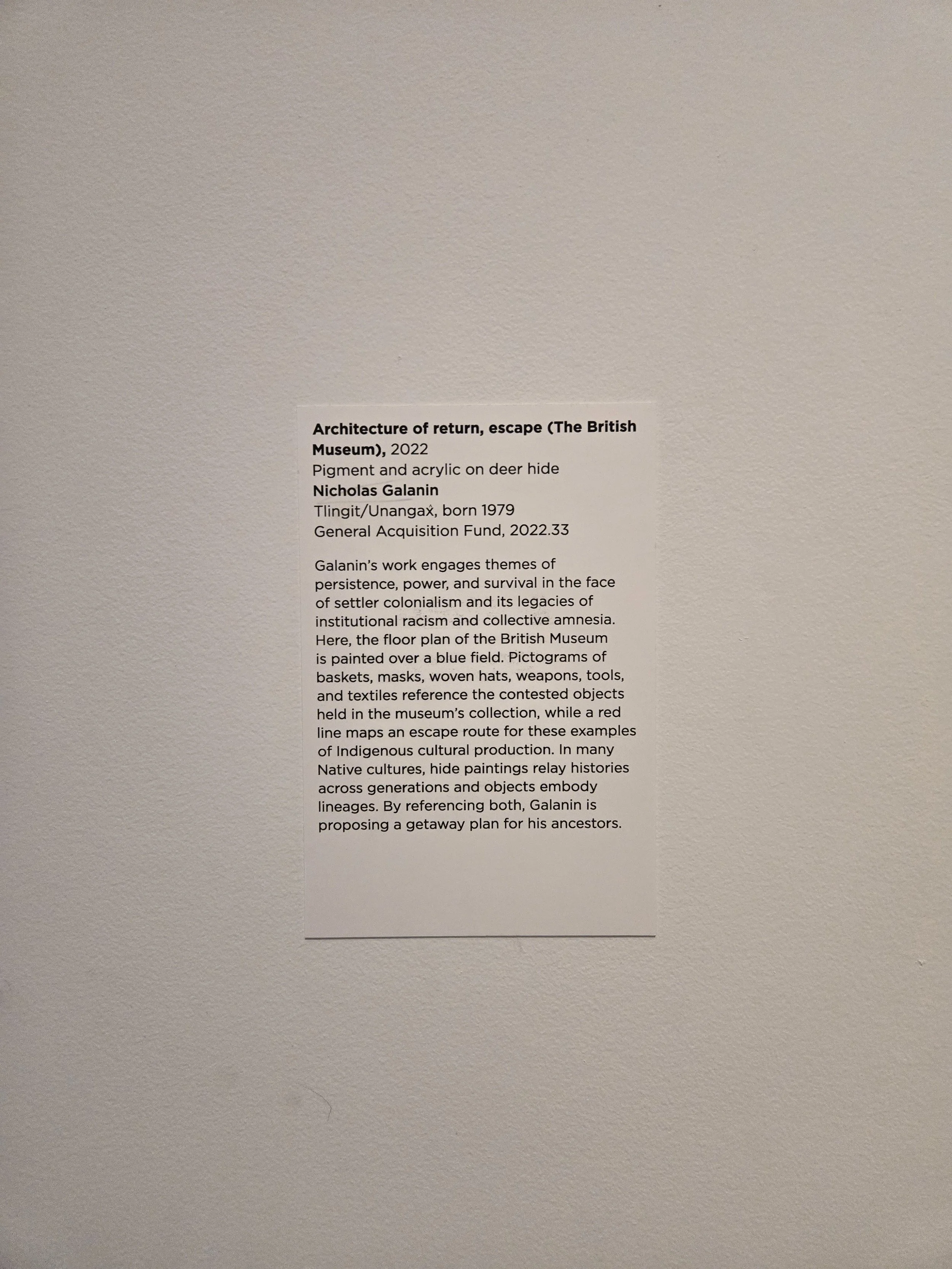
Fry Art Museum:
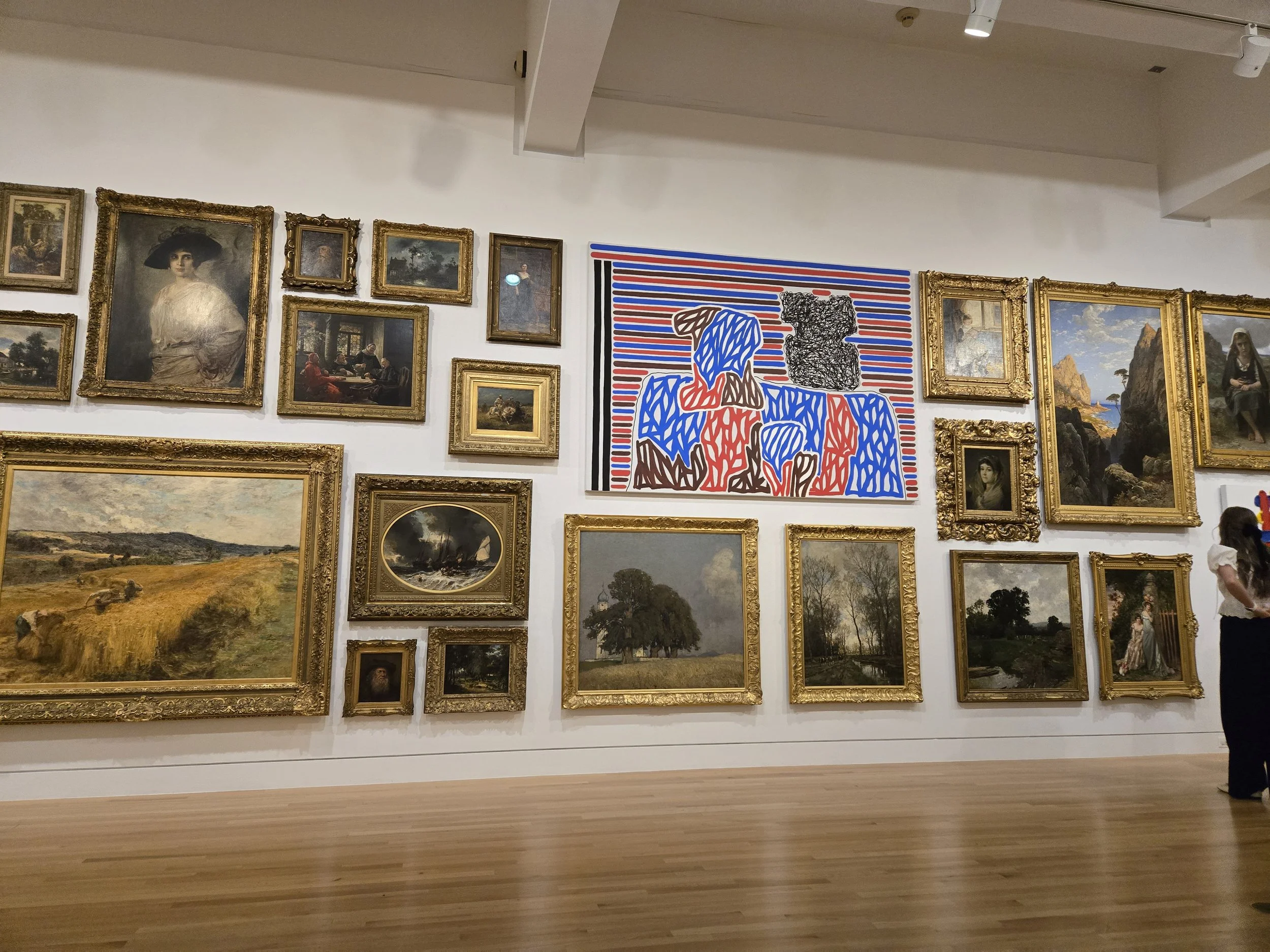
We arrived at Fry Art Museum close to 1:30 p.m. Now this art museum and I have a funny story. I have seen this building across the Seattle skyline for years. I had no clue what it was. From a distance, it looked like the building was never finished or like a “zombie building.” When the travel bus got close to the building, I was like, “YA, the zombie building!” When we stopped in front of it, I was shocked that it was, in fact, a museum. Once we met up with our group, I went to talk to the front desk personnel about my funny story. They told me it was actually designed to look that way.
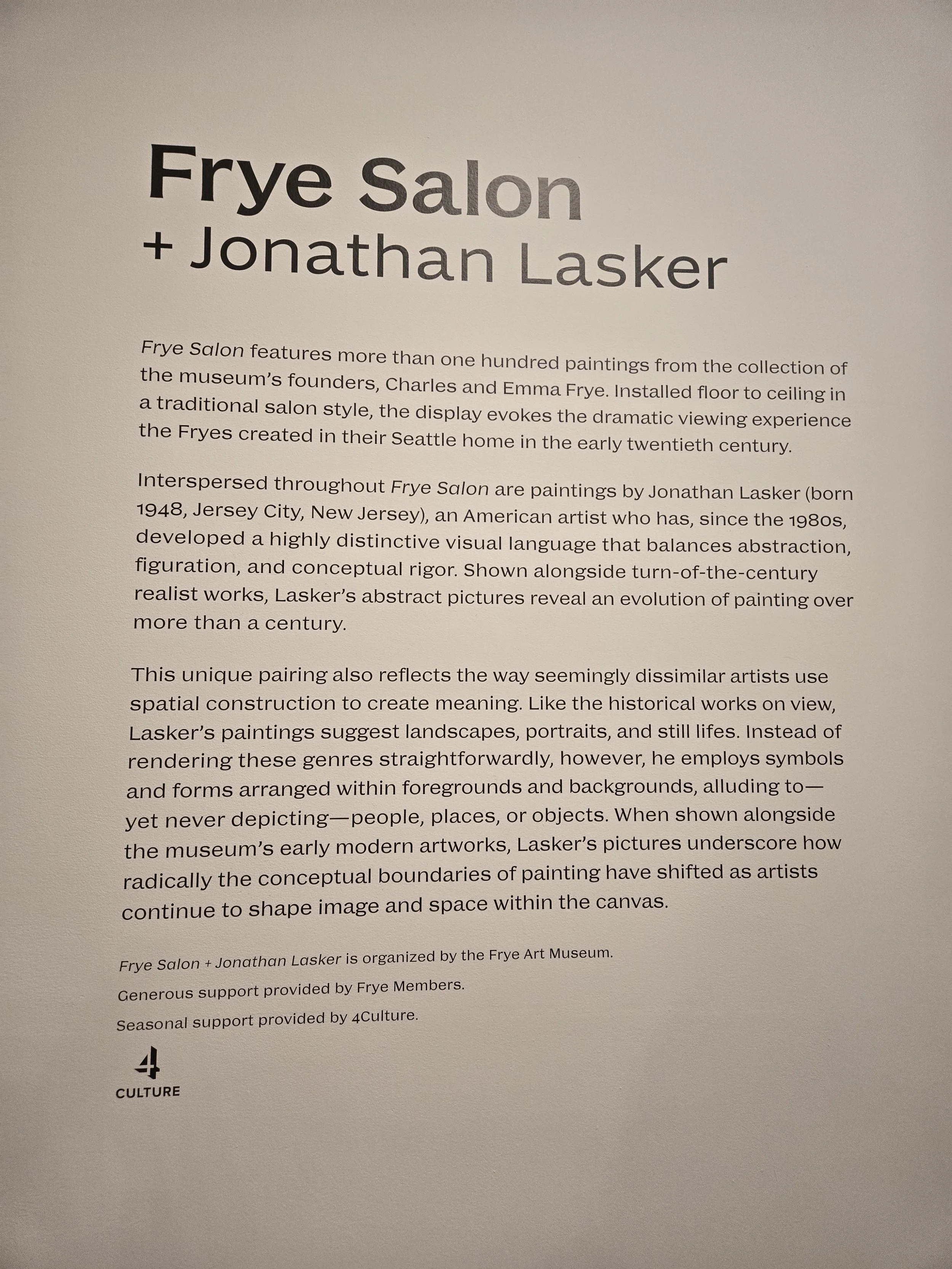
Here is the history blurb: The Frye Art Museum opened in 1952 as a gift to the city from Seattle art collectors Charles and Emma Frye. Located in Seattle’s First Hill neighborhood, the museum originally focused on late 19th- and early 20th-century European art but has evolved to include modern and contemporary exhibitions. One unique feature of the Frye is that admission has always been free, making art more accessible to the community.
As I looked at the artwork, there were a few things that stood out to me. One was Ms. Ho, the History of Art instructor whom I admire deeply. She pulled me to the side to talk about the artwork we were looking at. We talked about the lighting, the different historical paints, and what looked like Rococo art. I had never heard of Rococo art before I took her class.
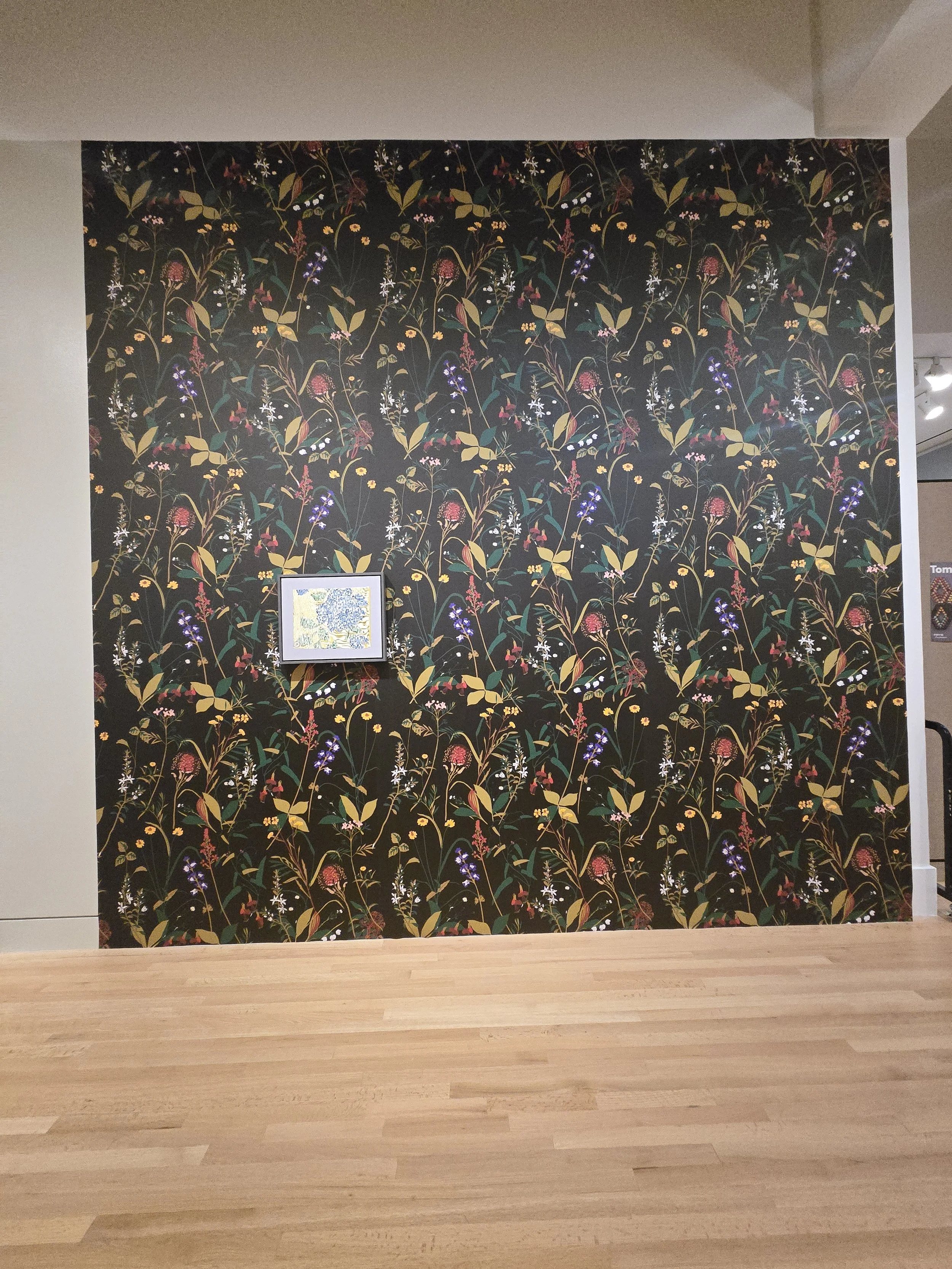
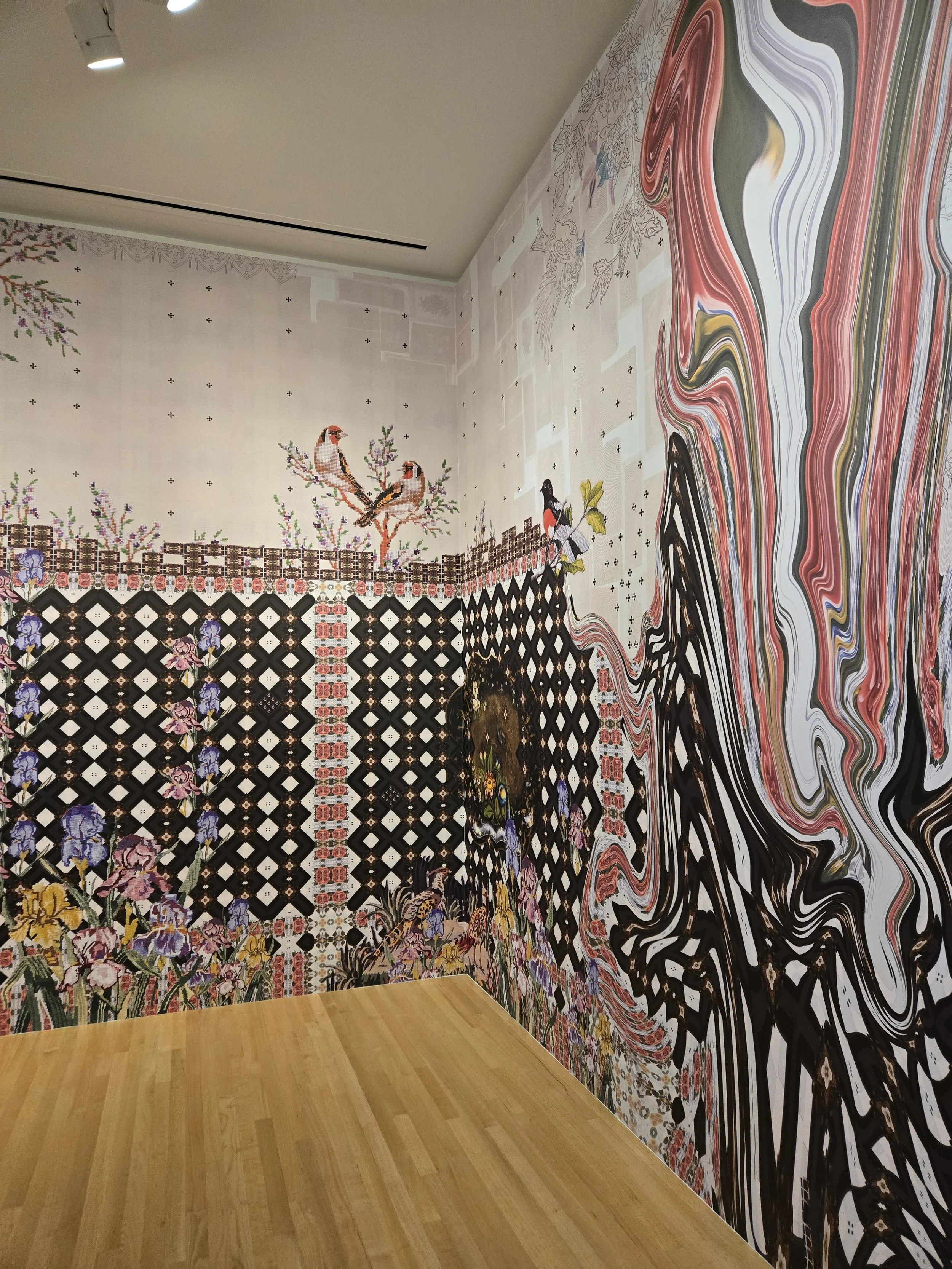
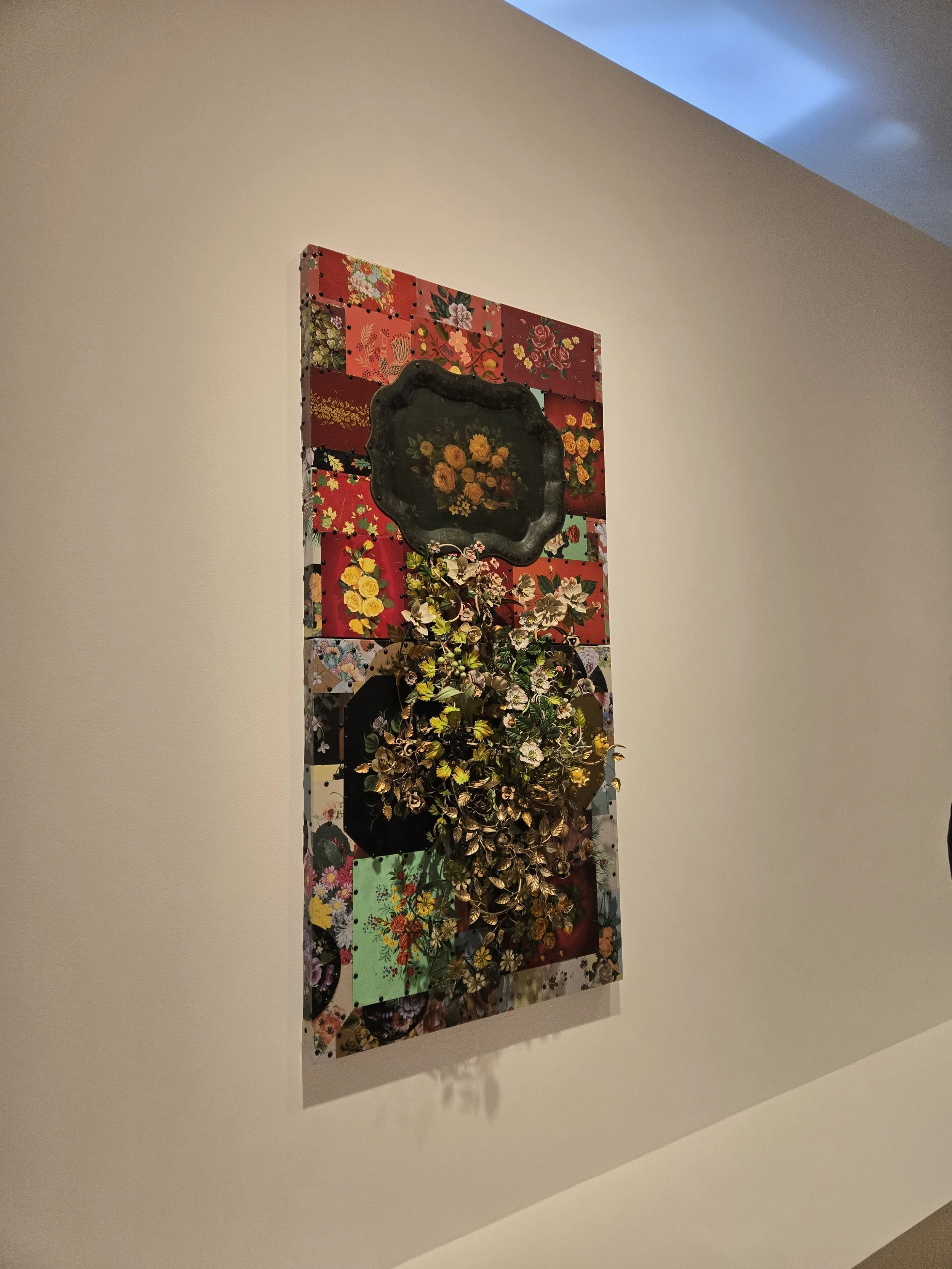
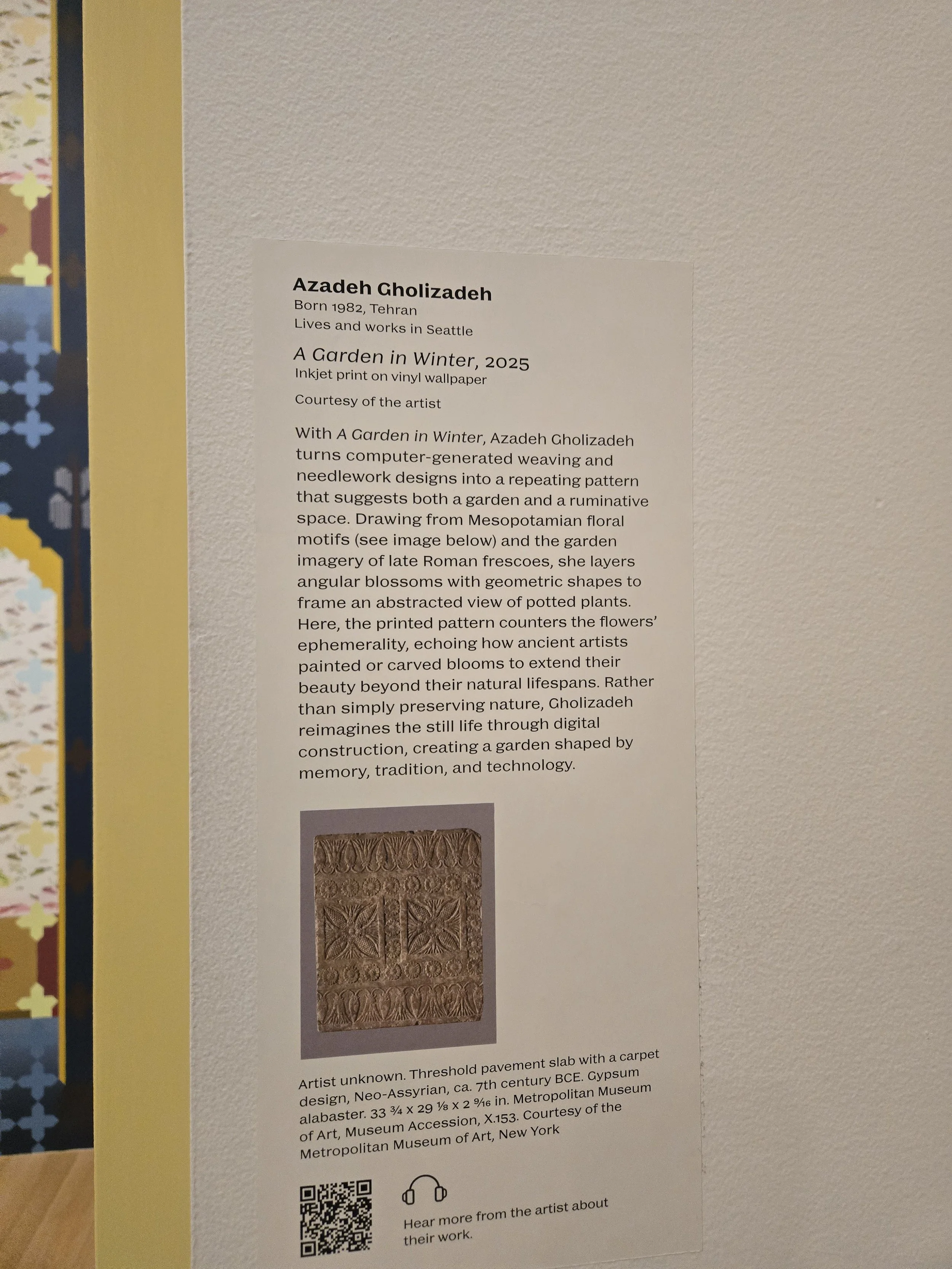
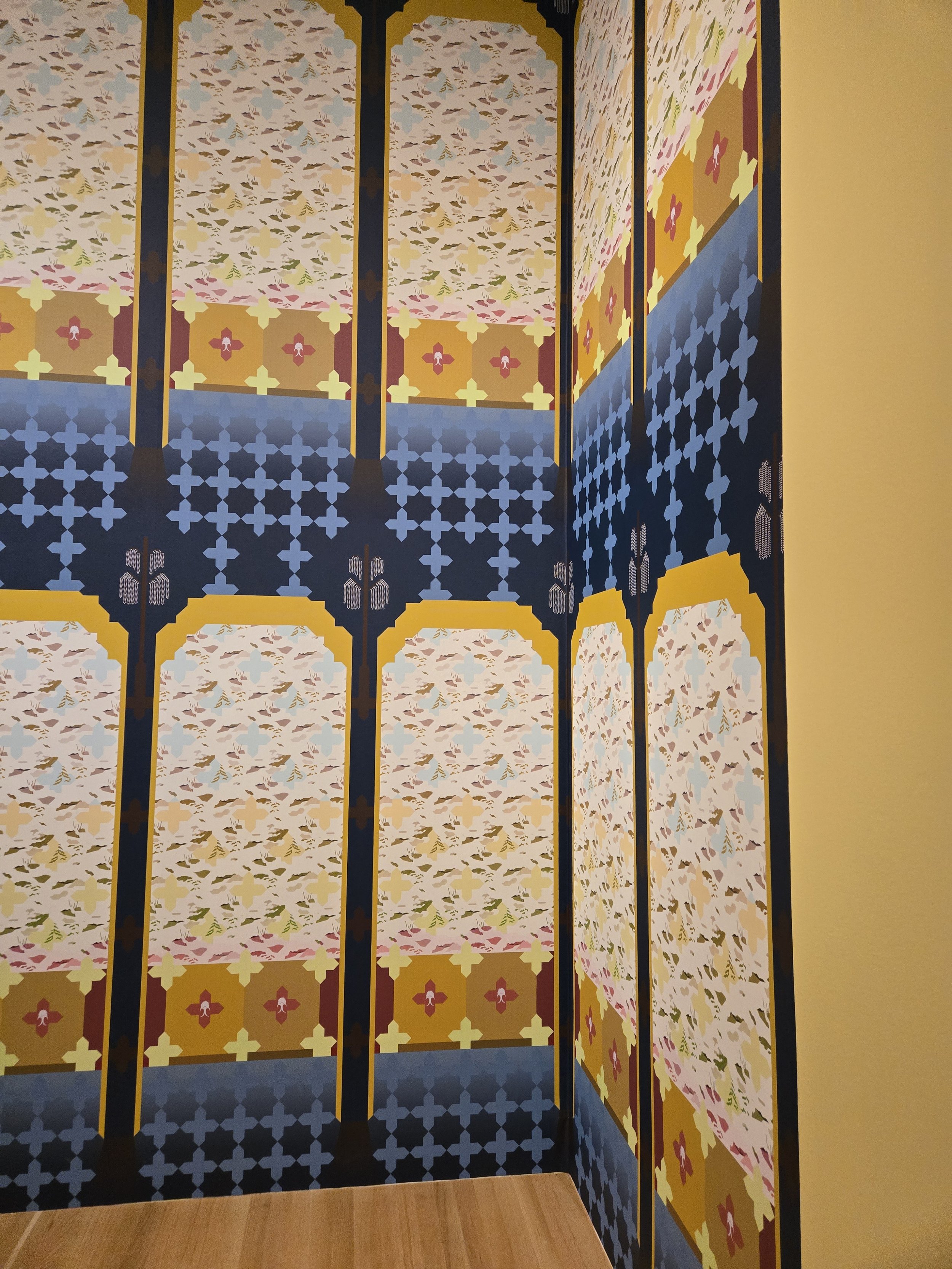
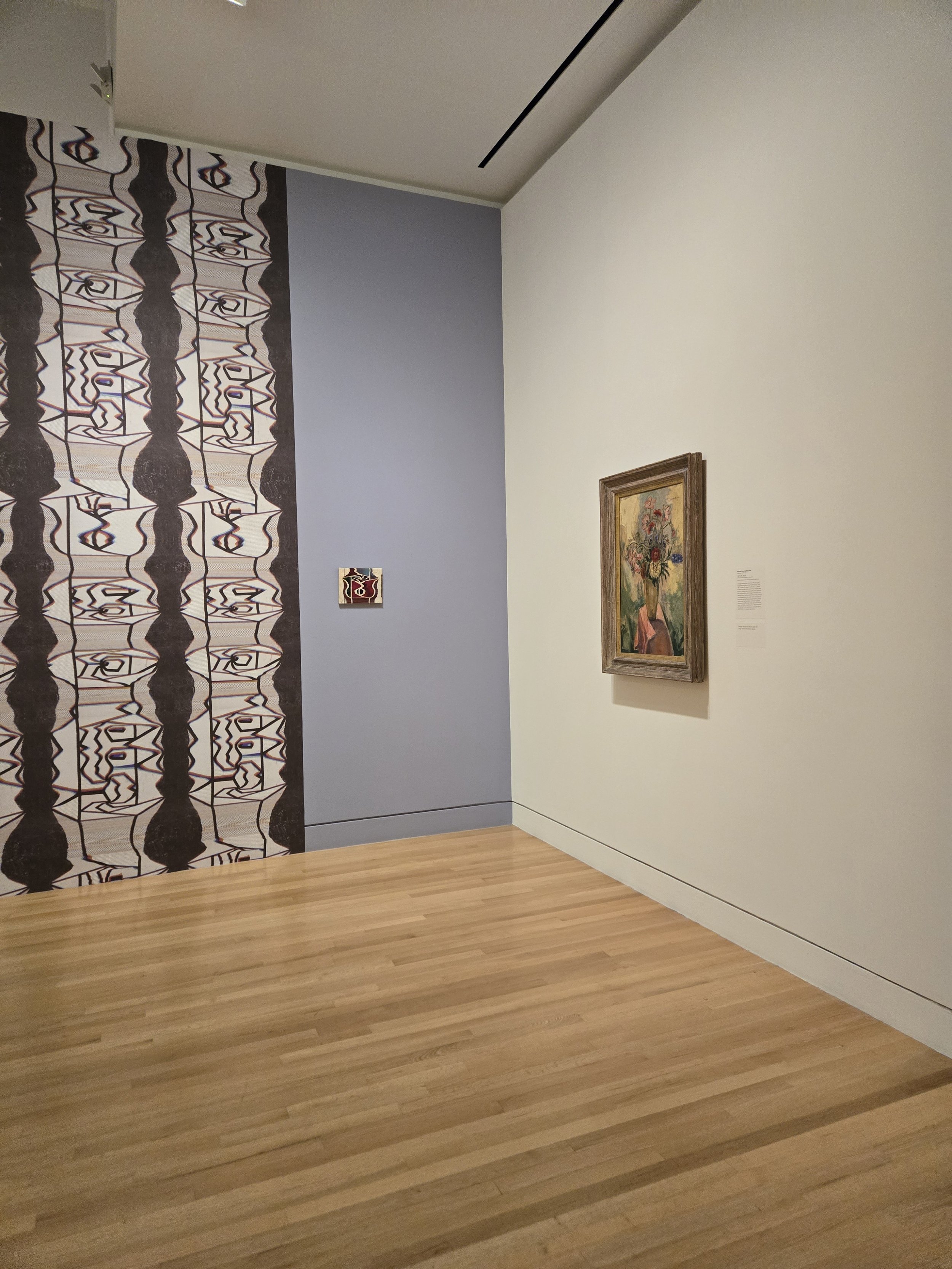
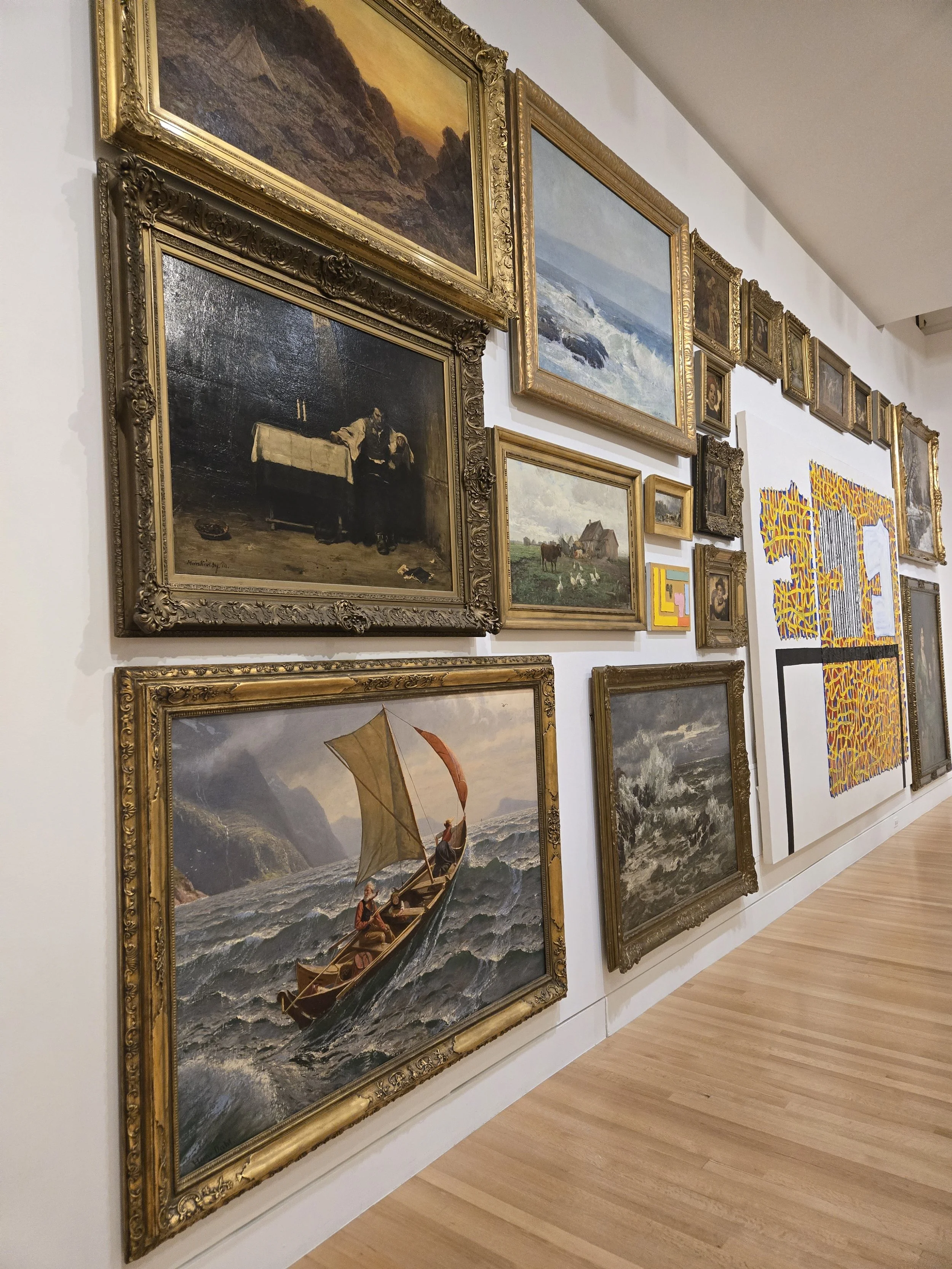
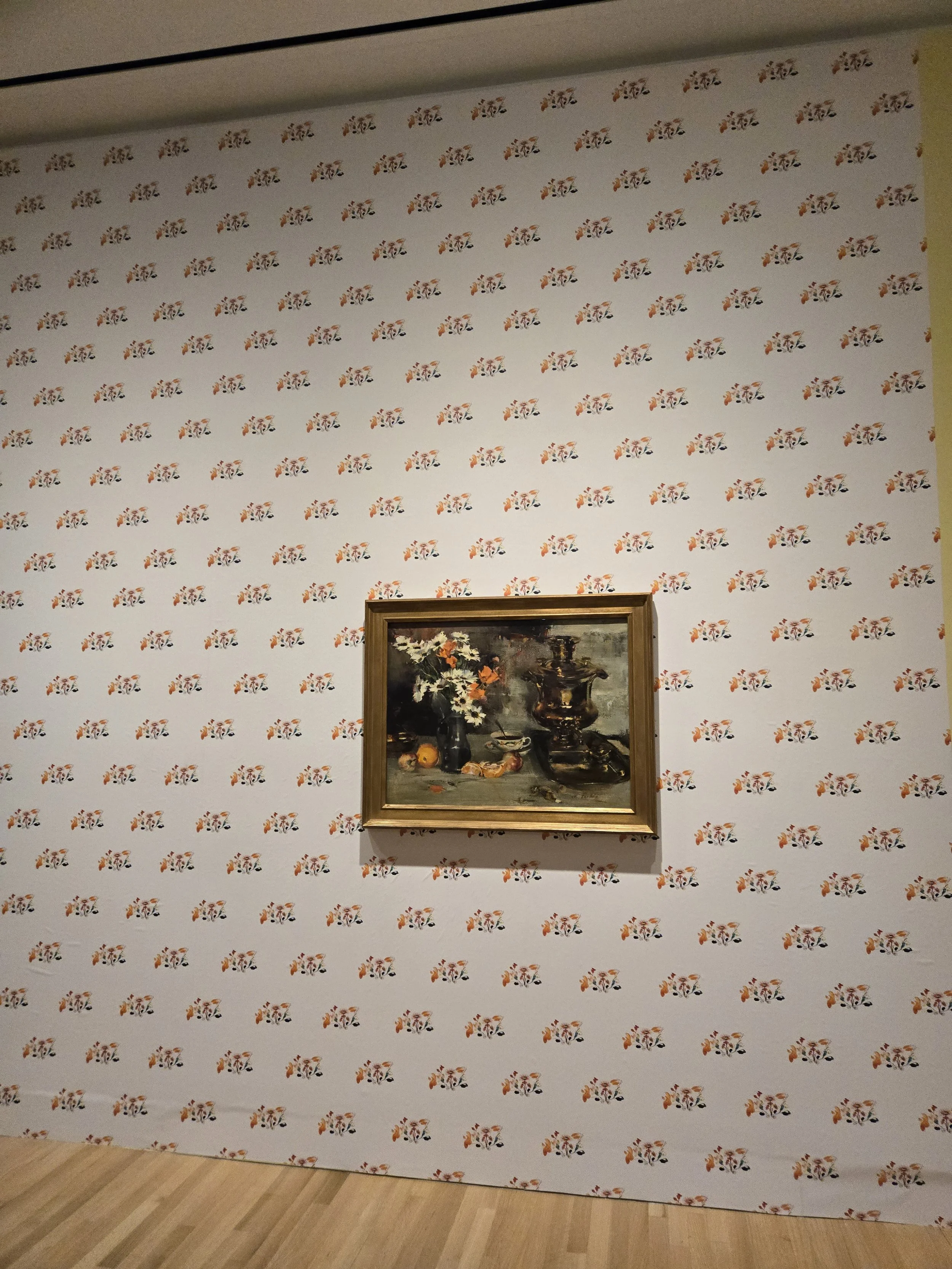
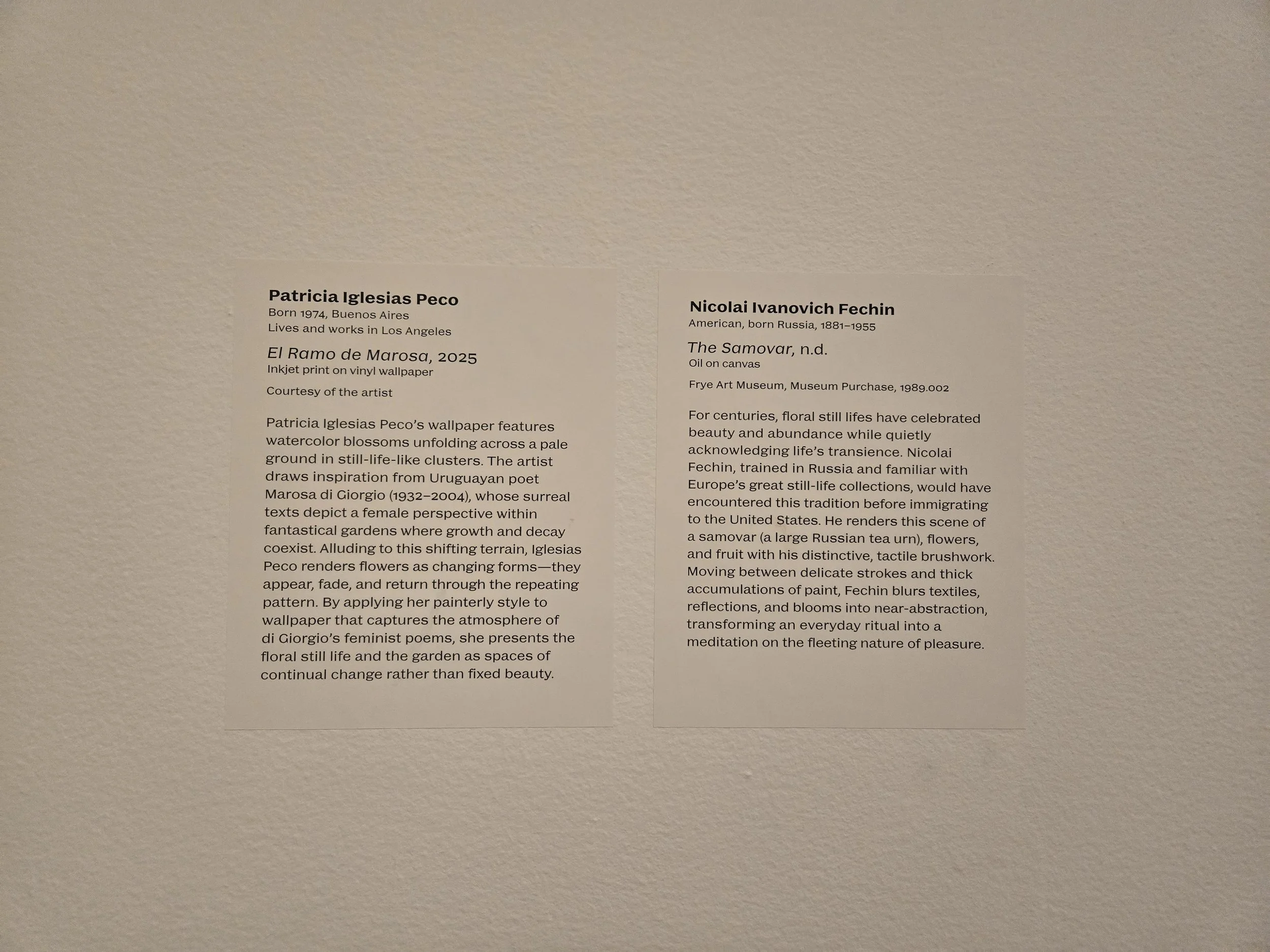
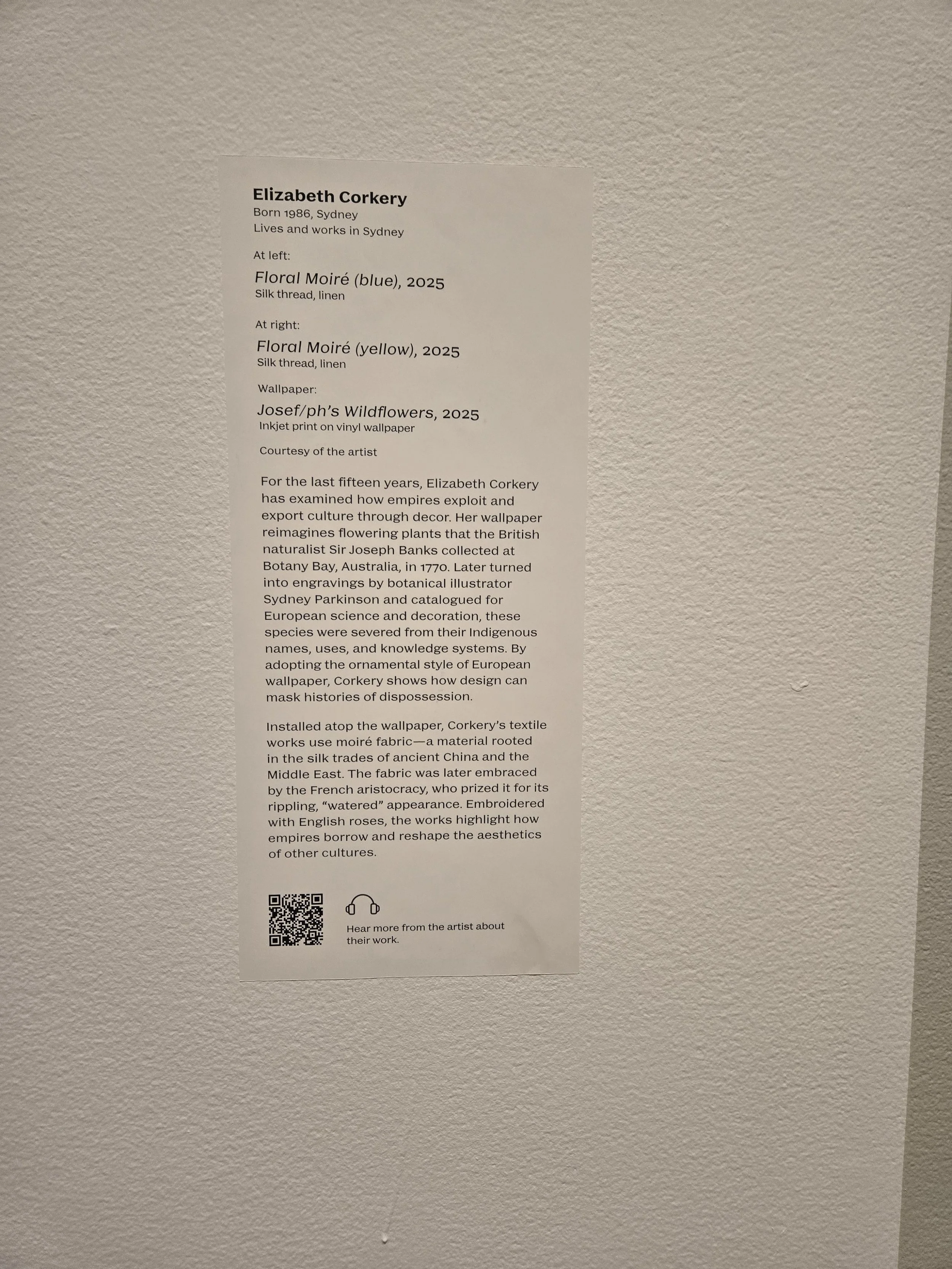
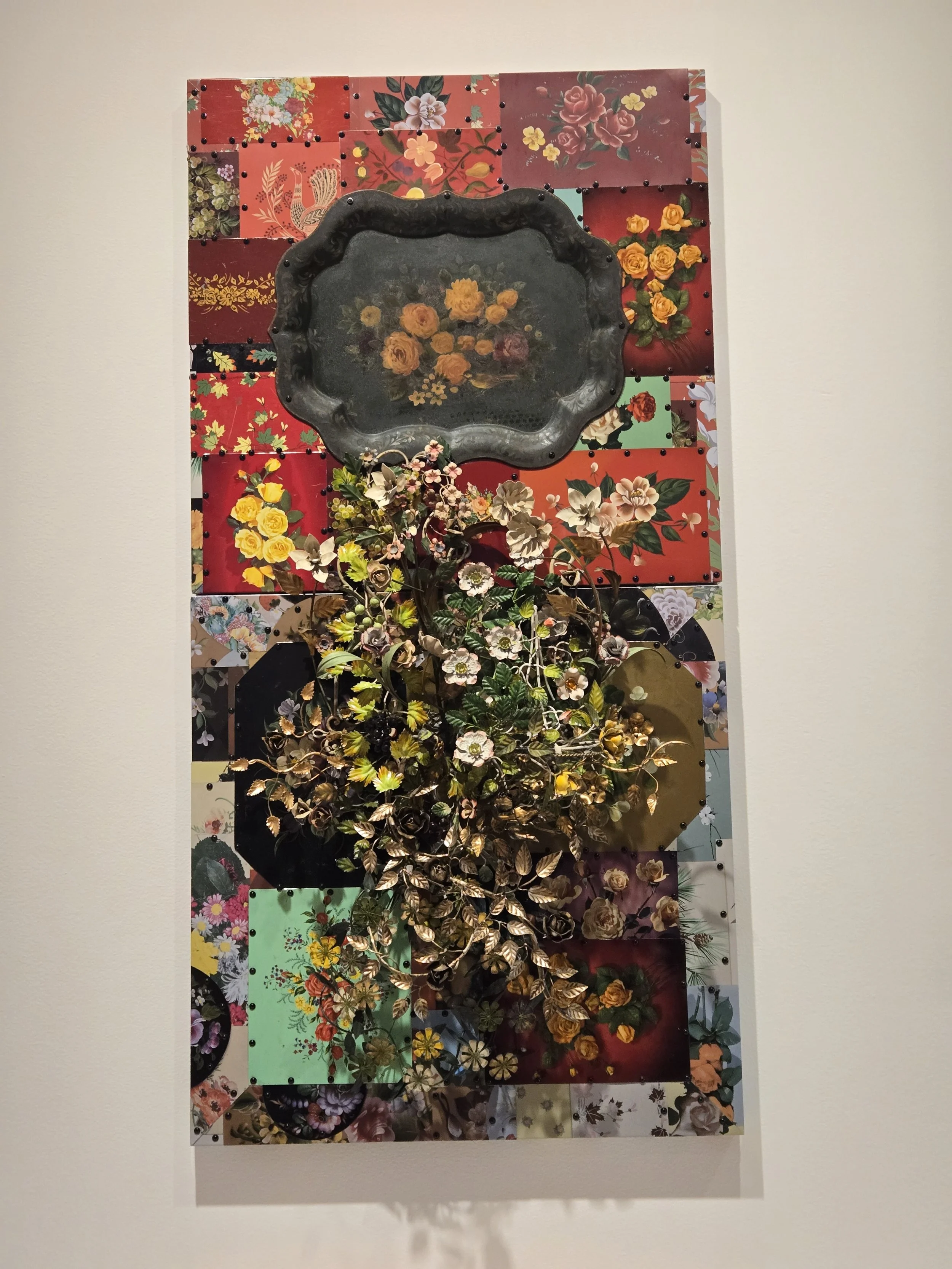
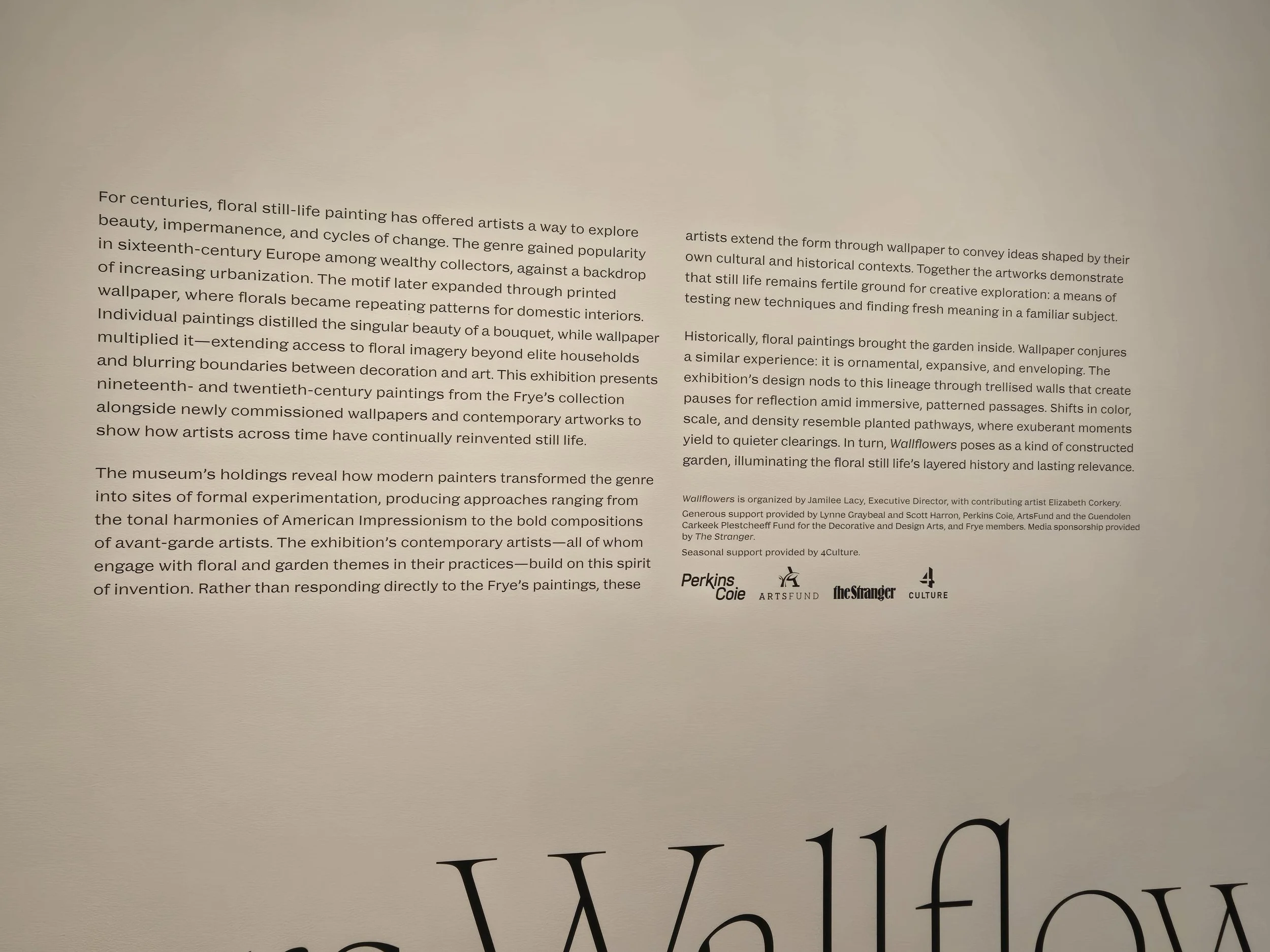
There was another painting, a landscape painting, and that is the type of artwork I am really into, so I explained to her why it stood out to me. Another thing that caught my attention was the paintings displayed on top of wallpaper. I talked to the caretaker working in the hall and asked her about it. Apparently, that is what one of the artists wanted to do. They wanted to display what art looked like from the past with today’s artwork layered on top of it. Kind of like seeing “the past” and “today” together in one display.
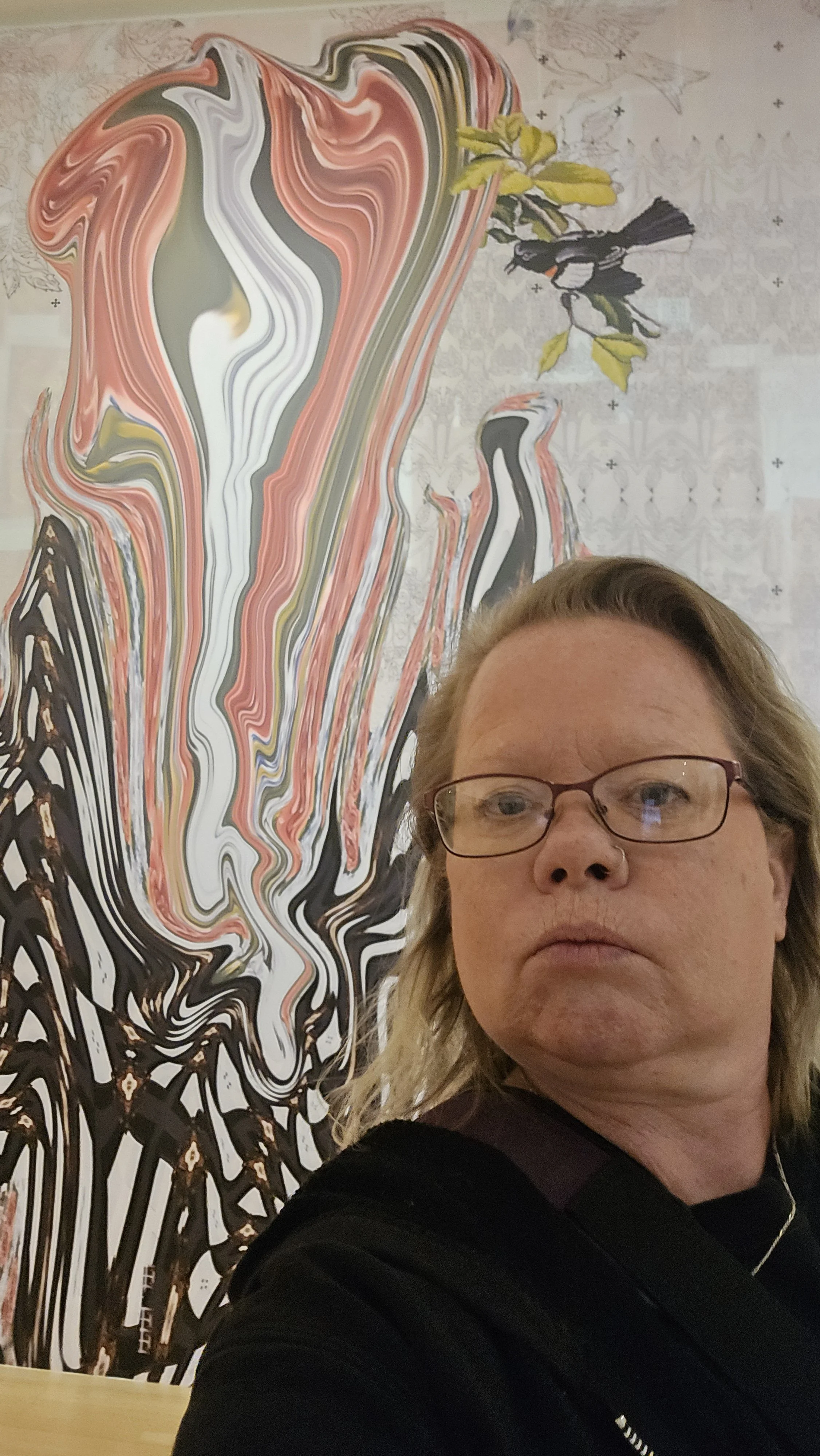
Here are a few images from that visit.
If you’re interested in visiting, I’ve included a button
that will take you directly to their website.
Asian Art Museum:
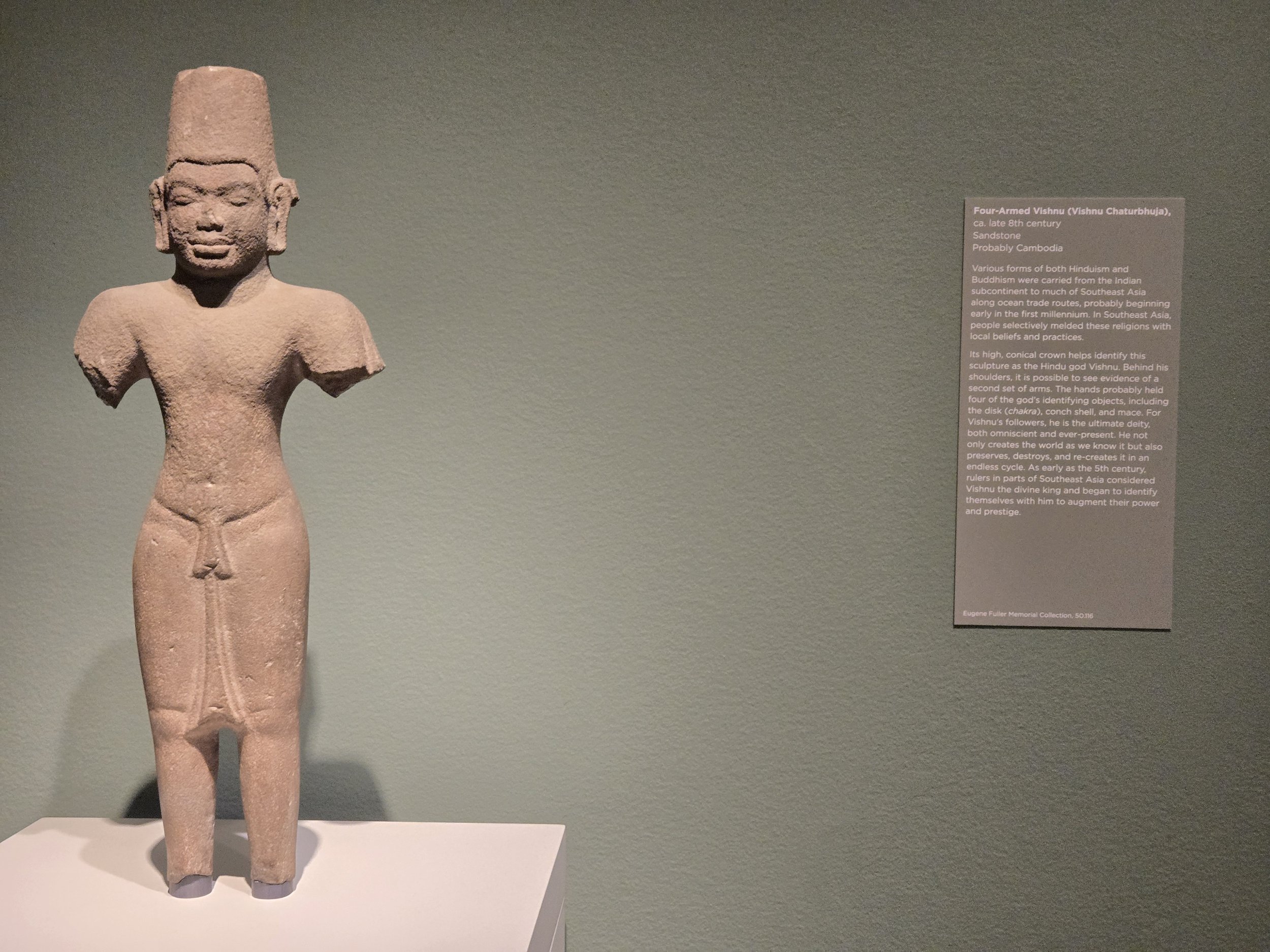
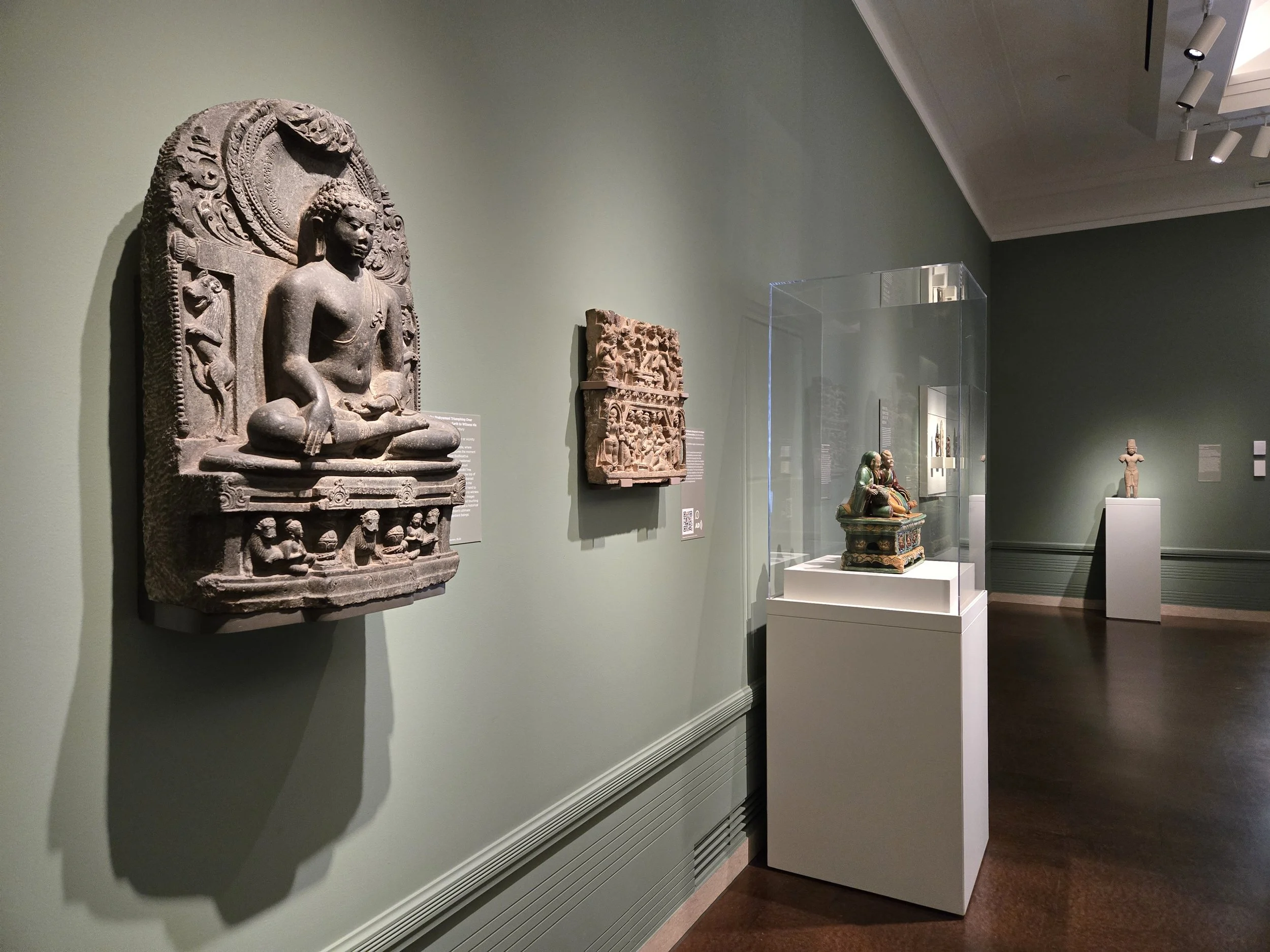
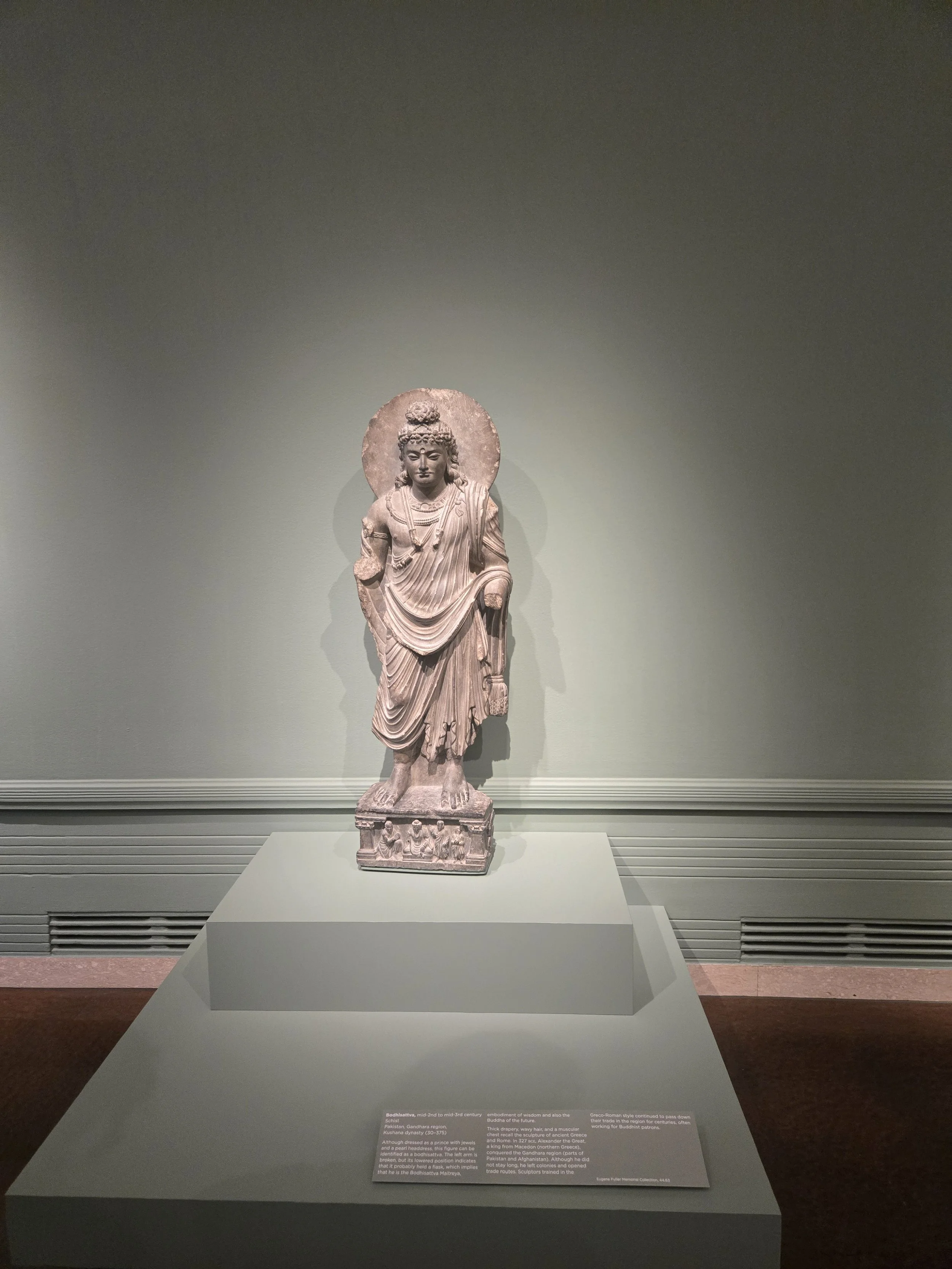
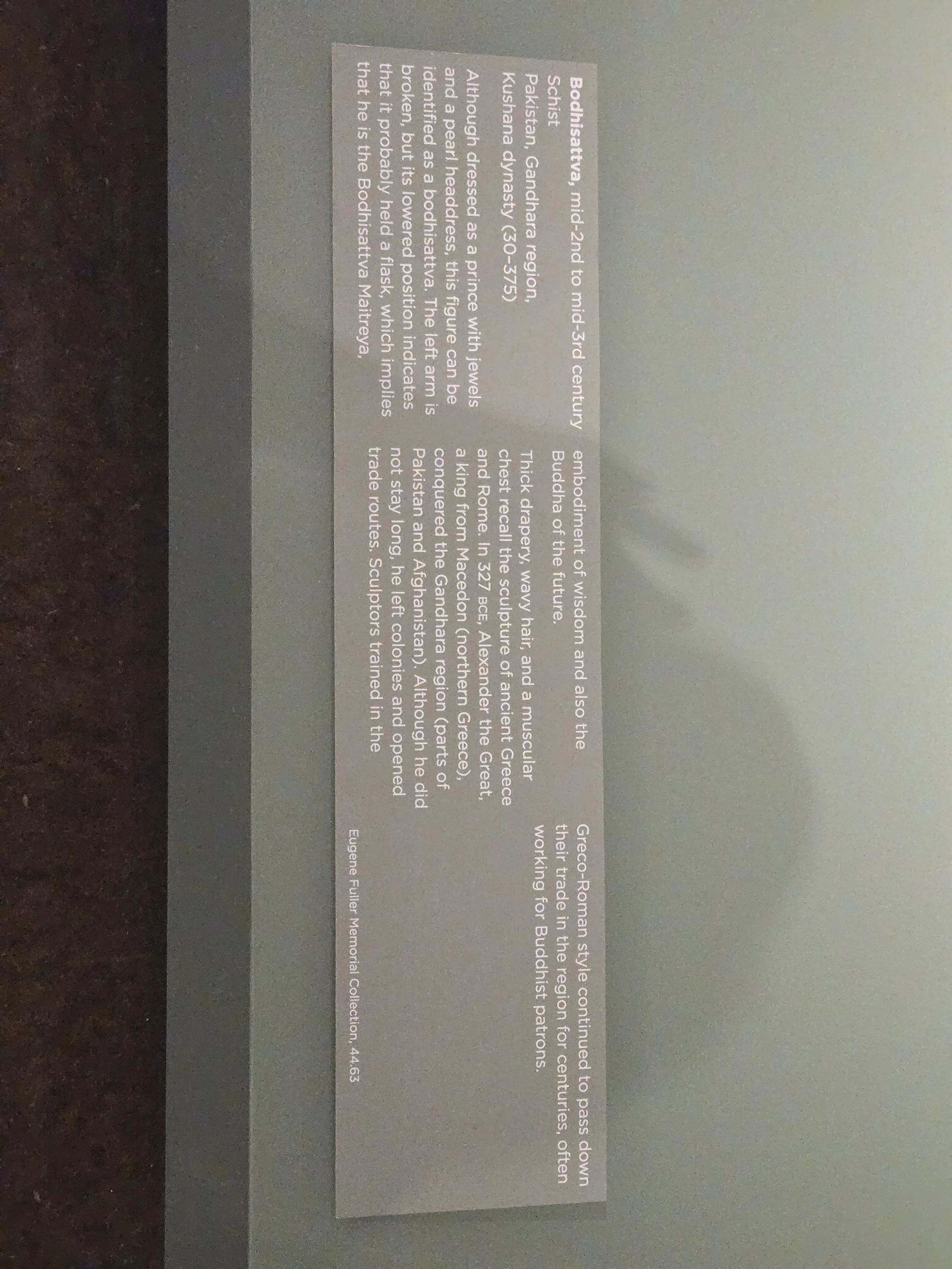
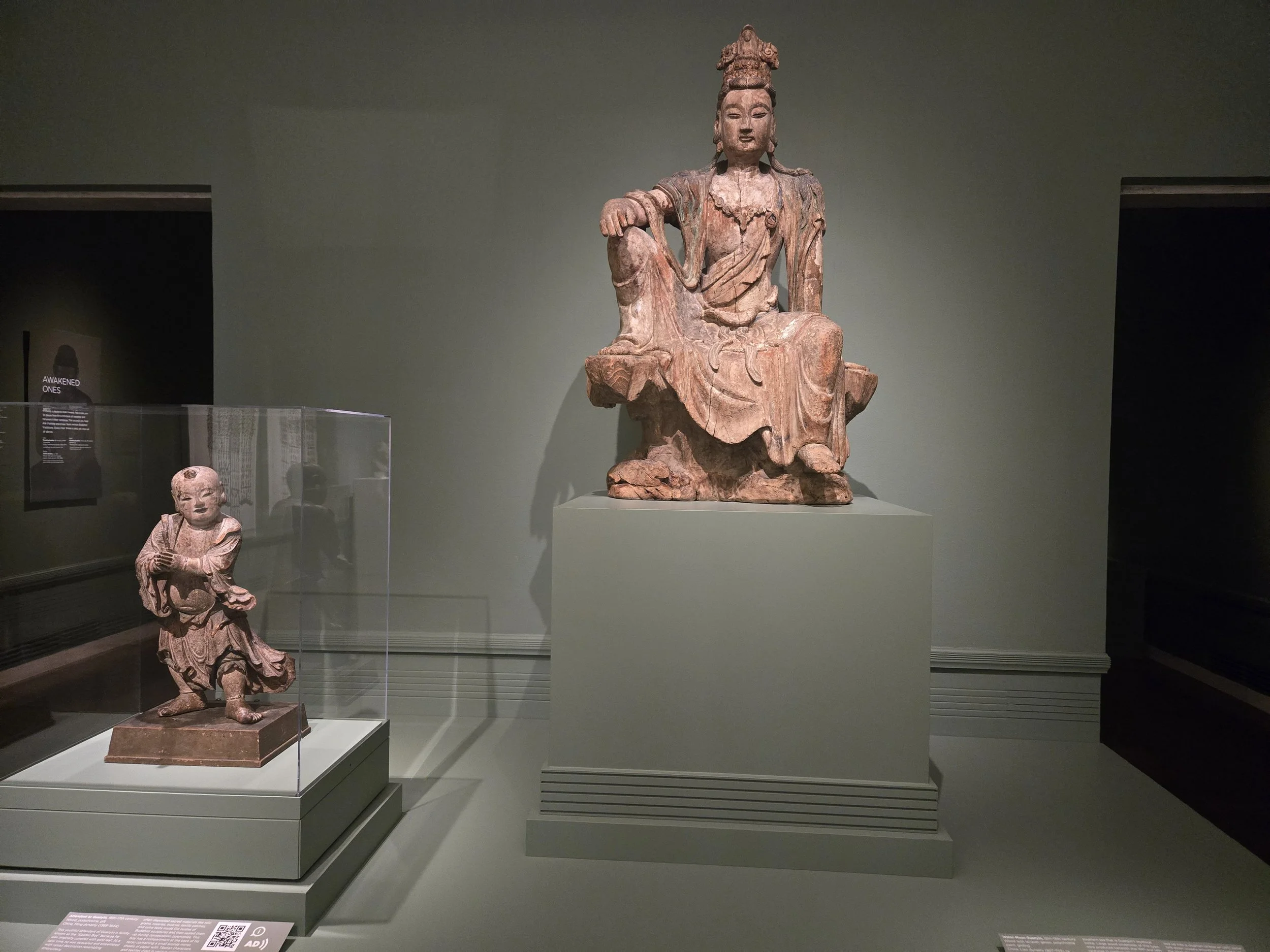
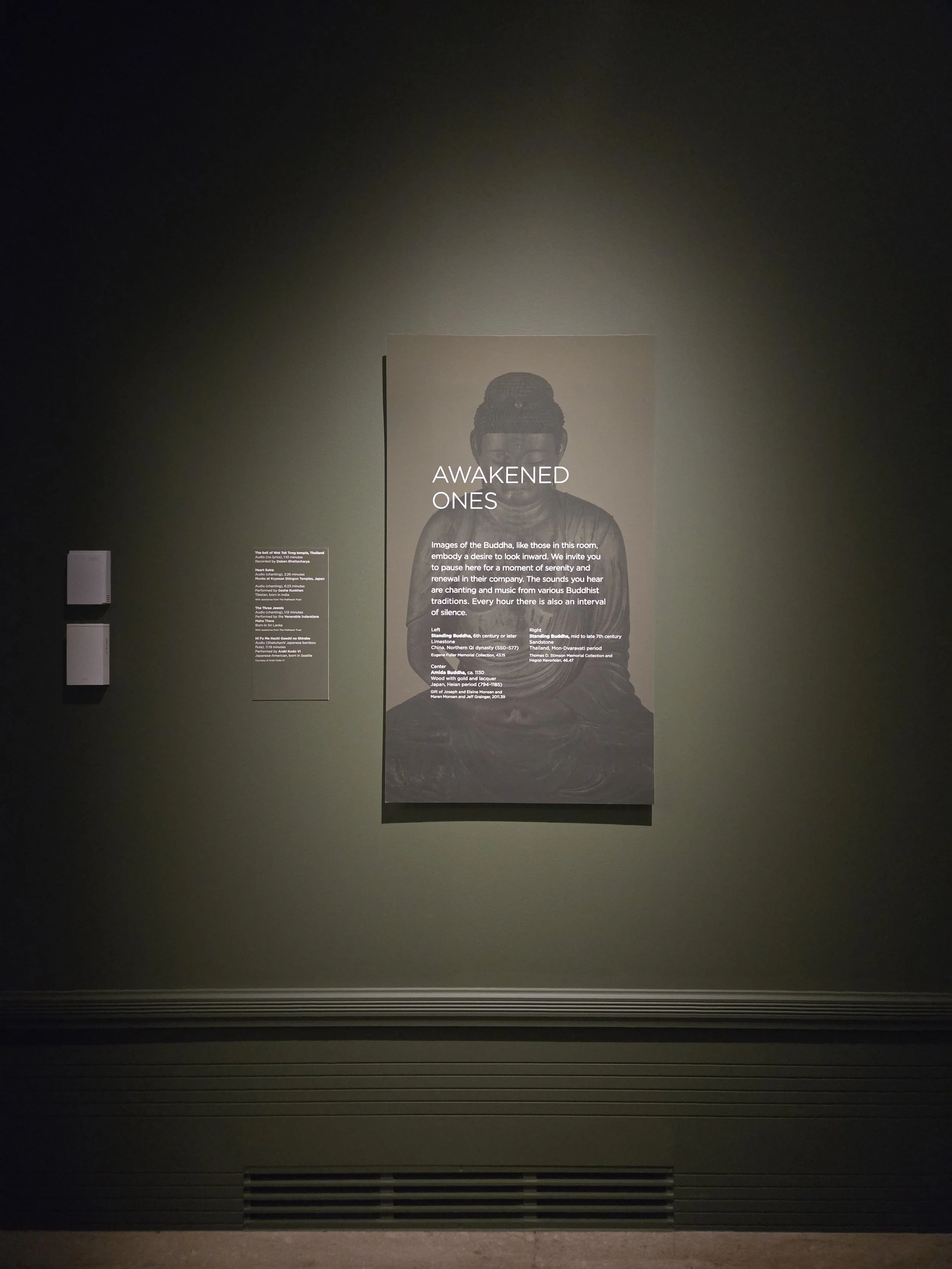
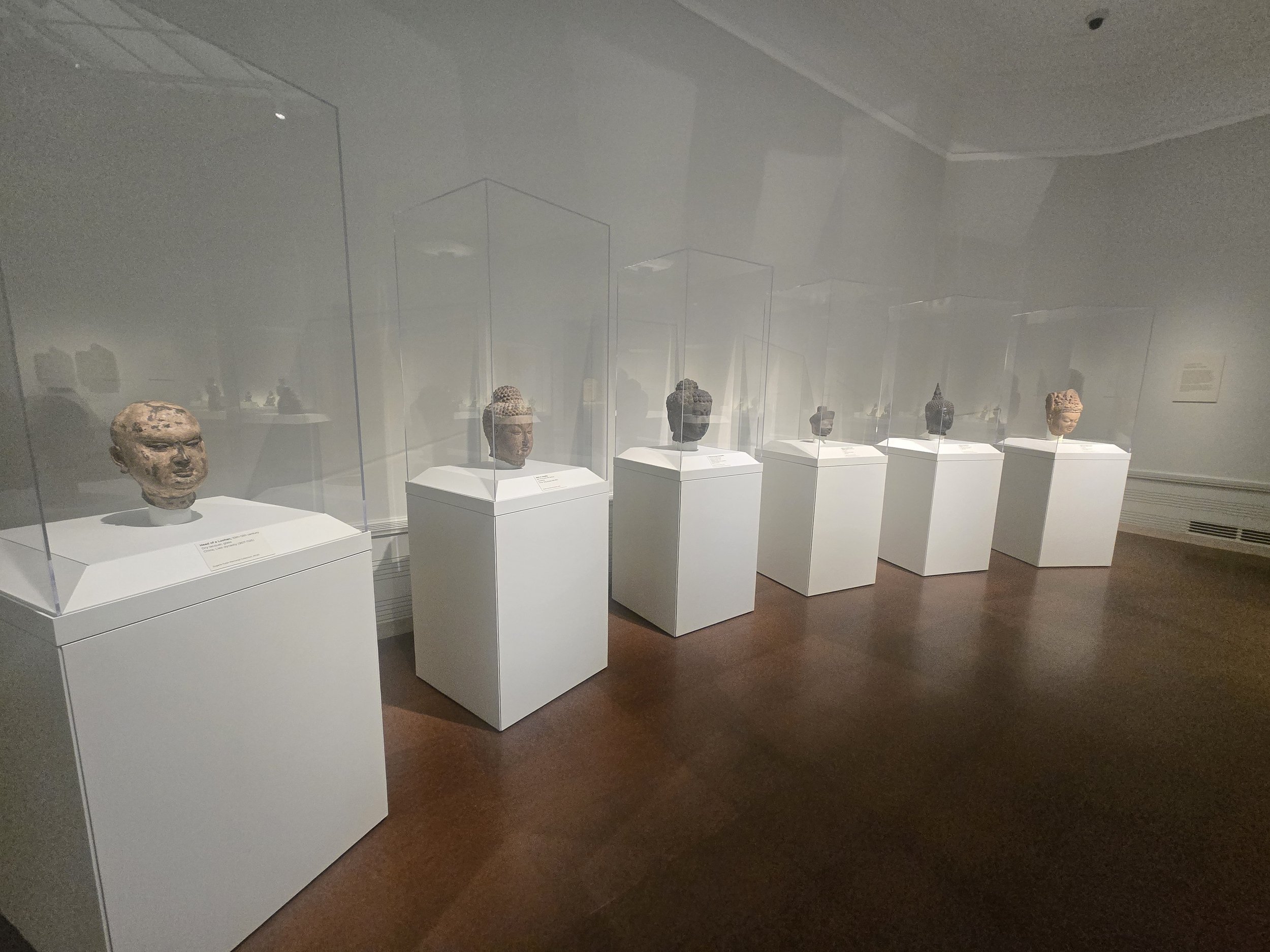
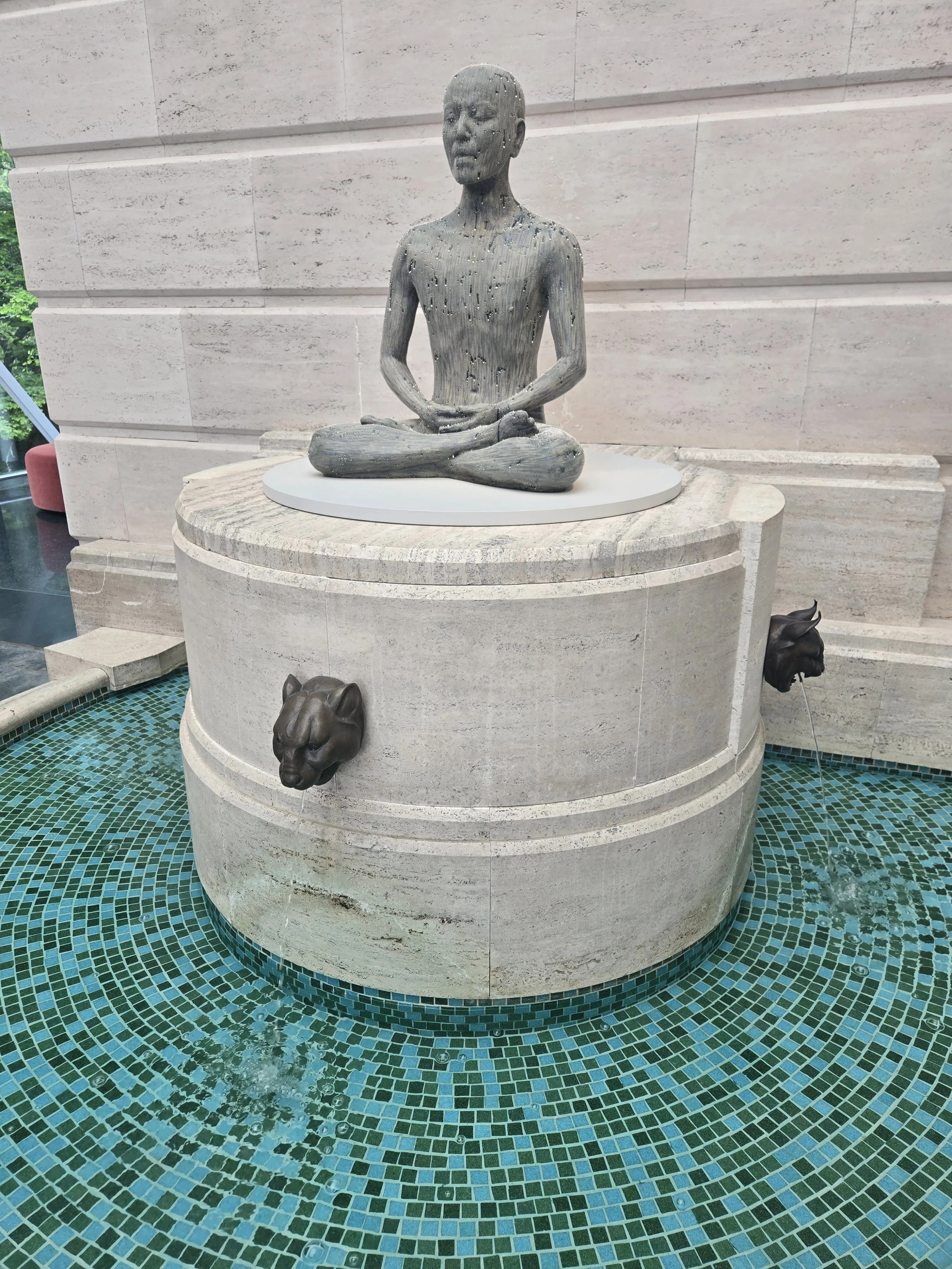
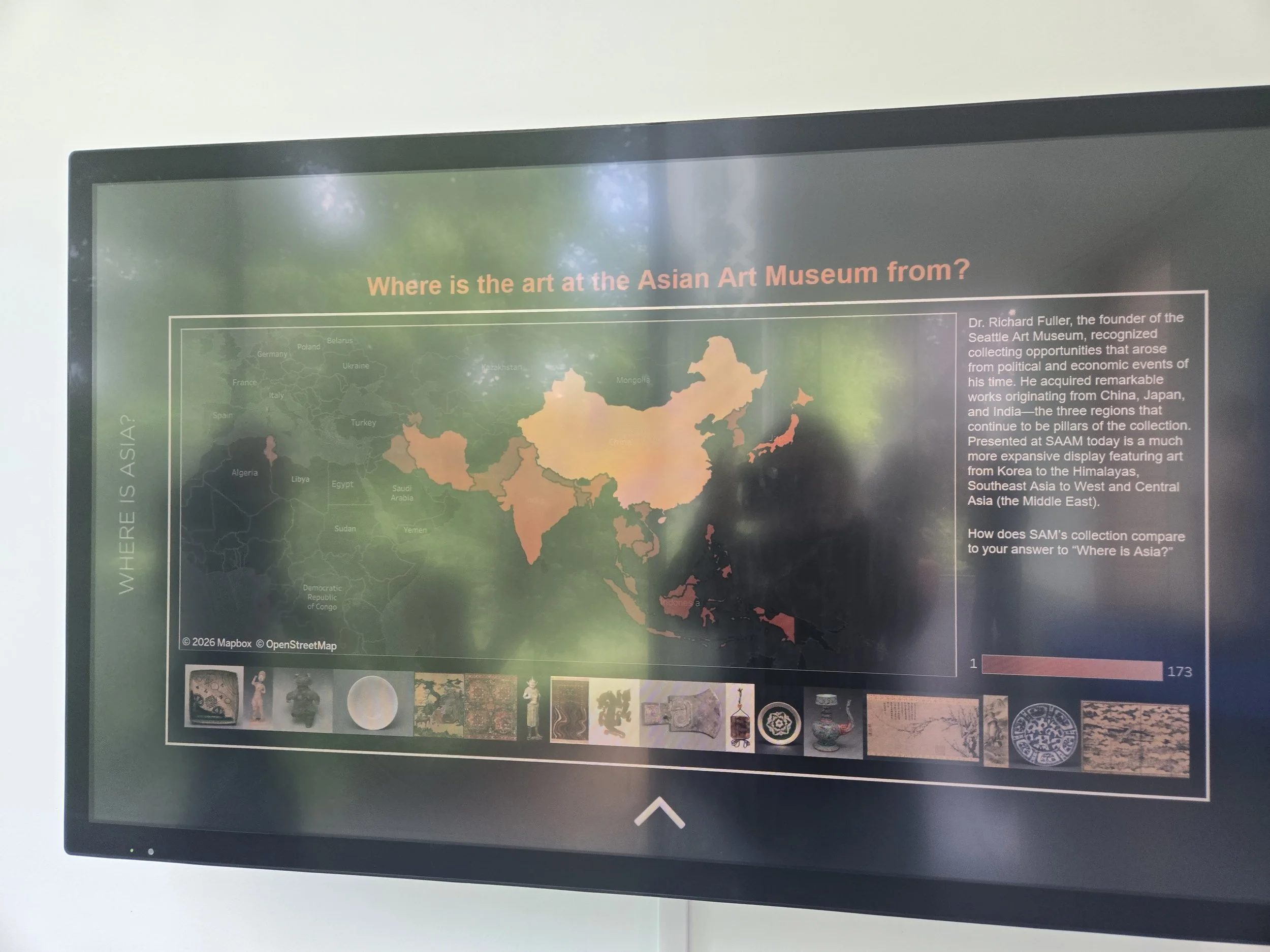
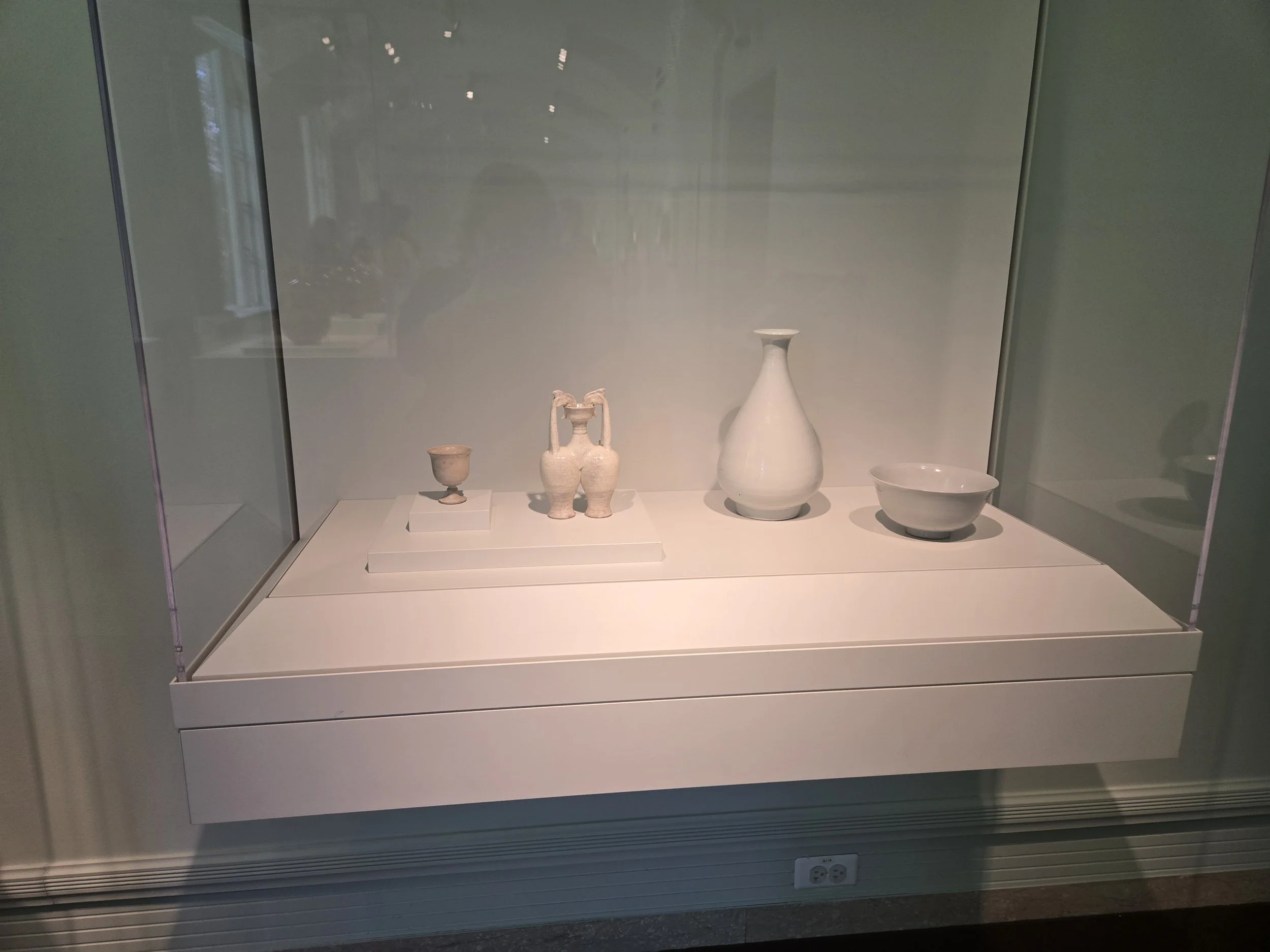
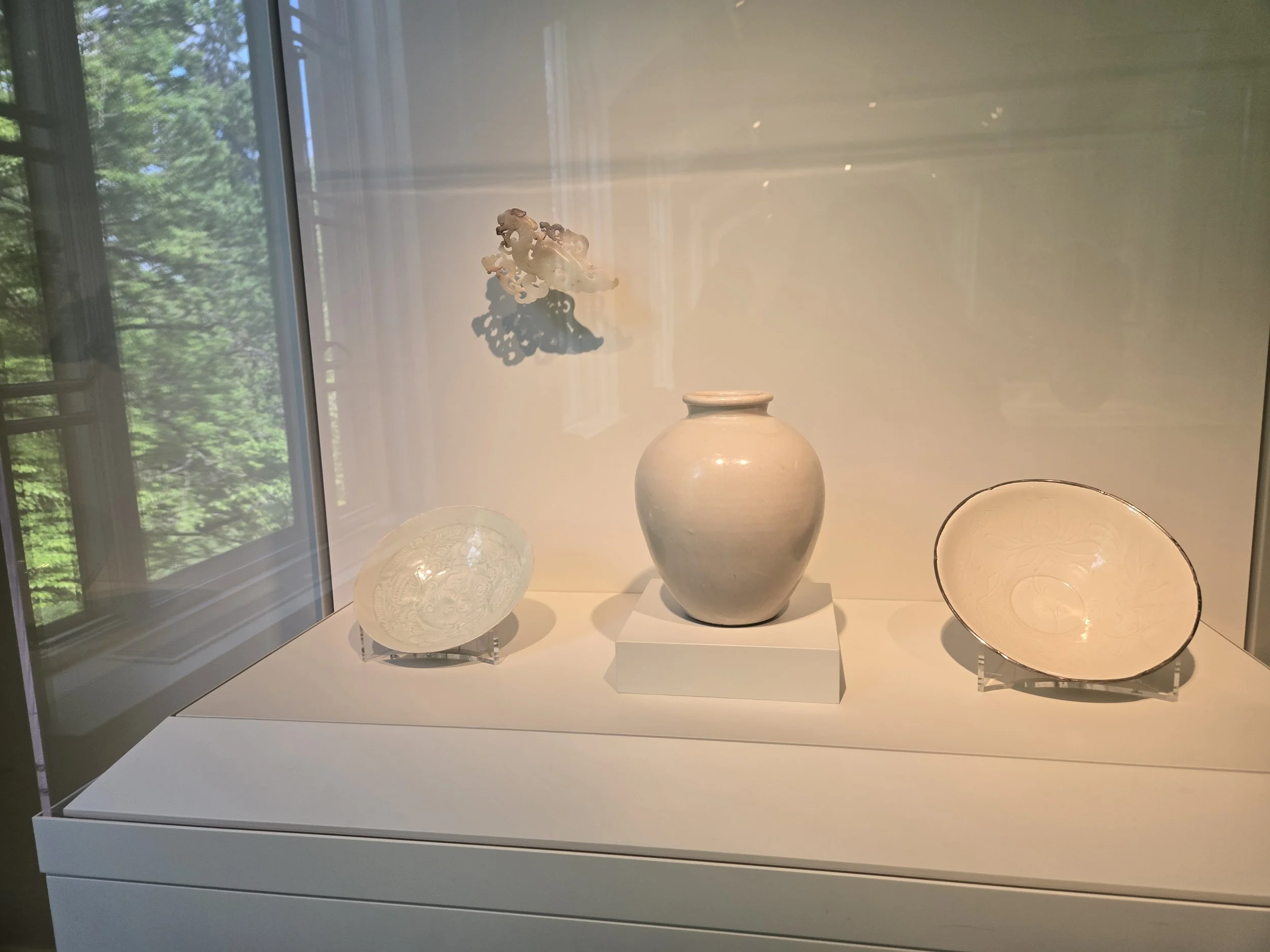
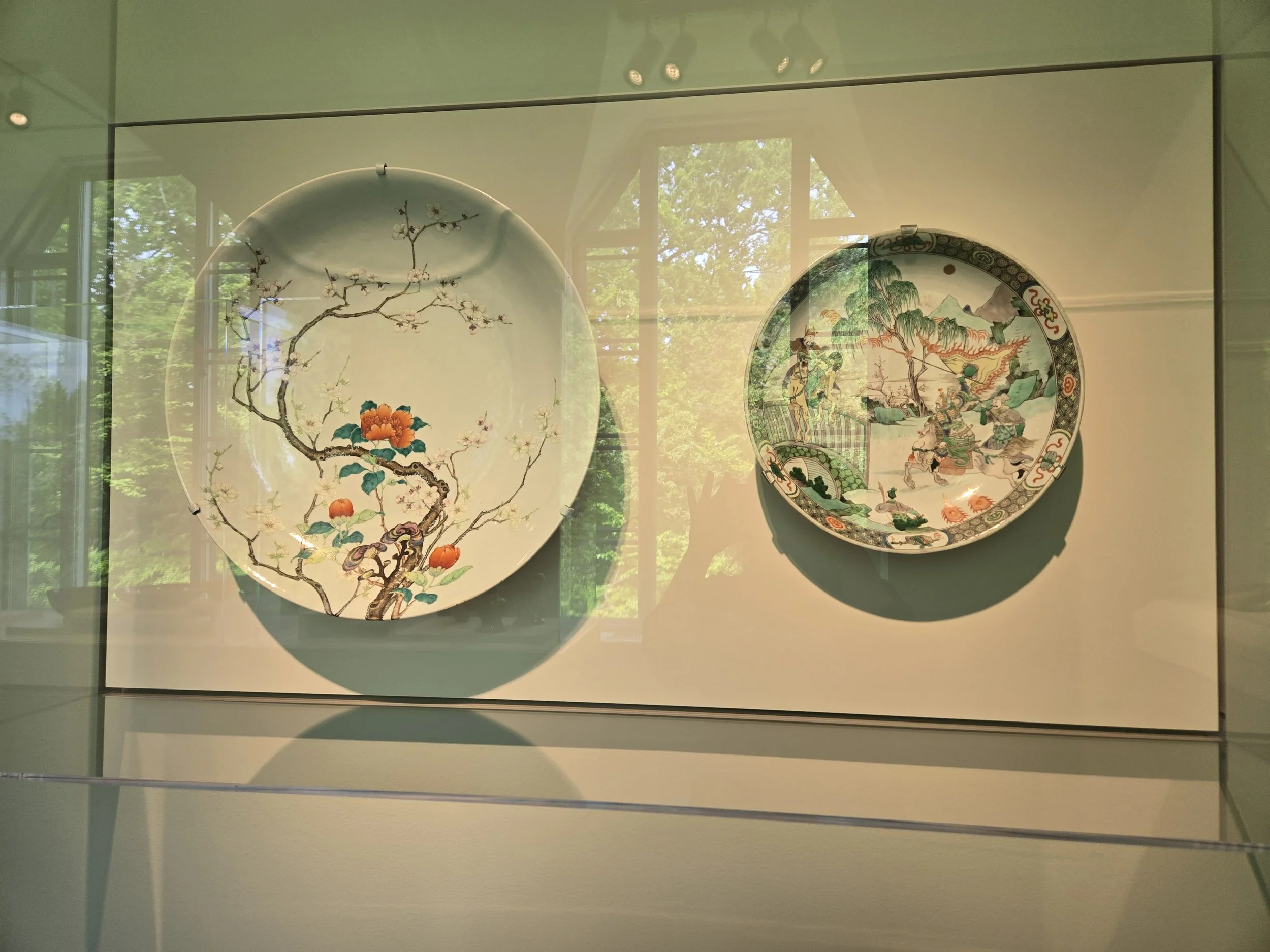
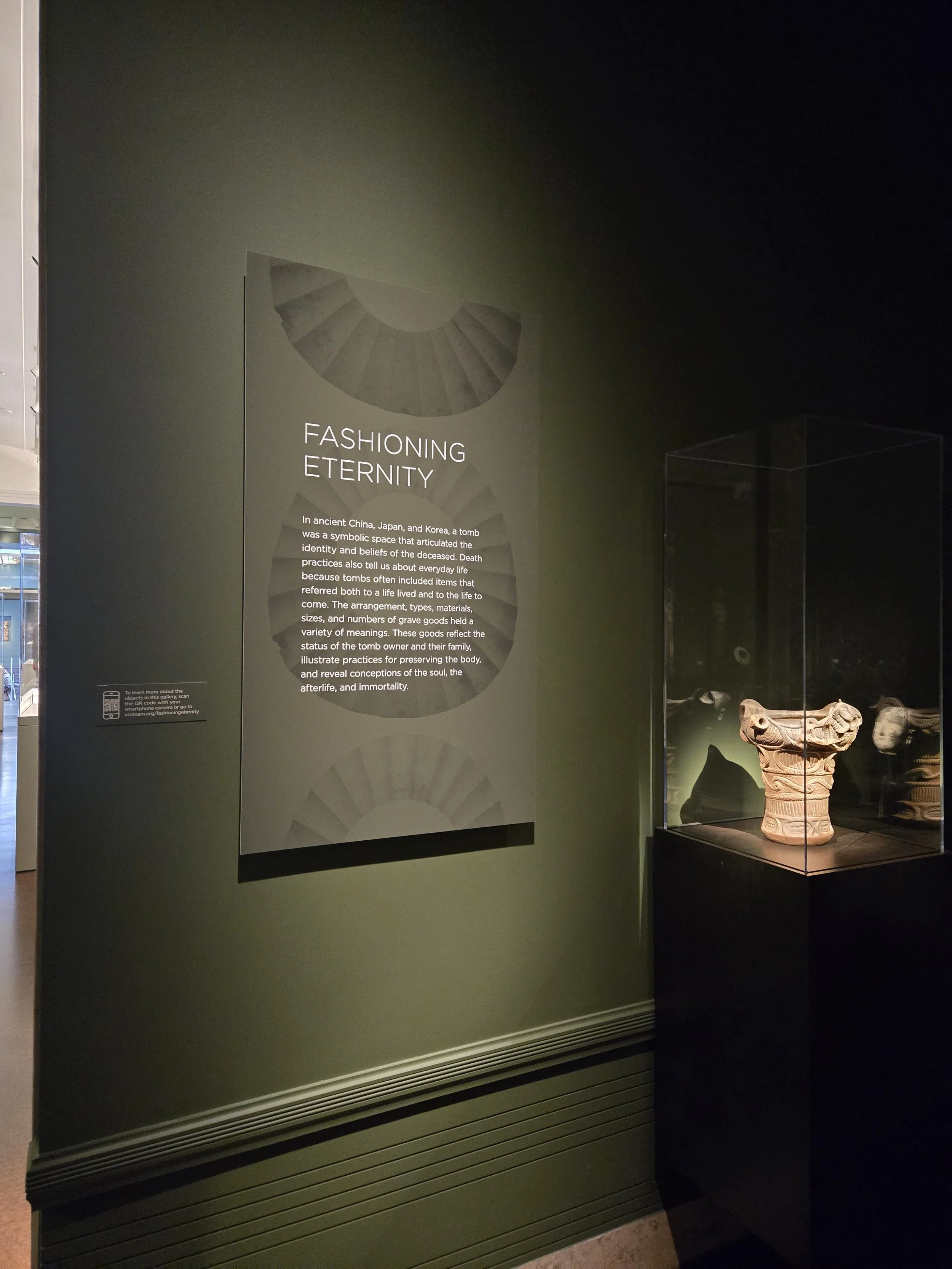
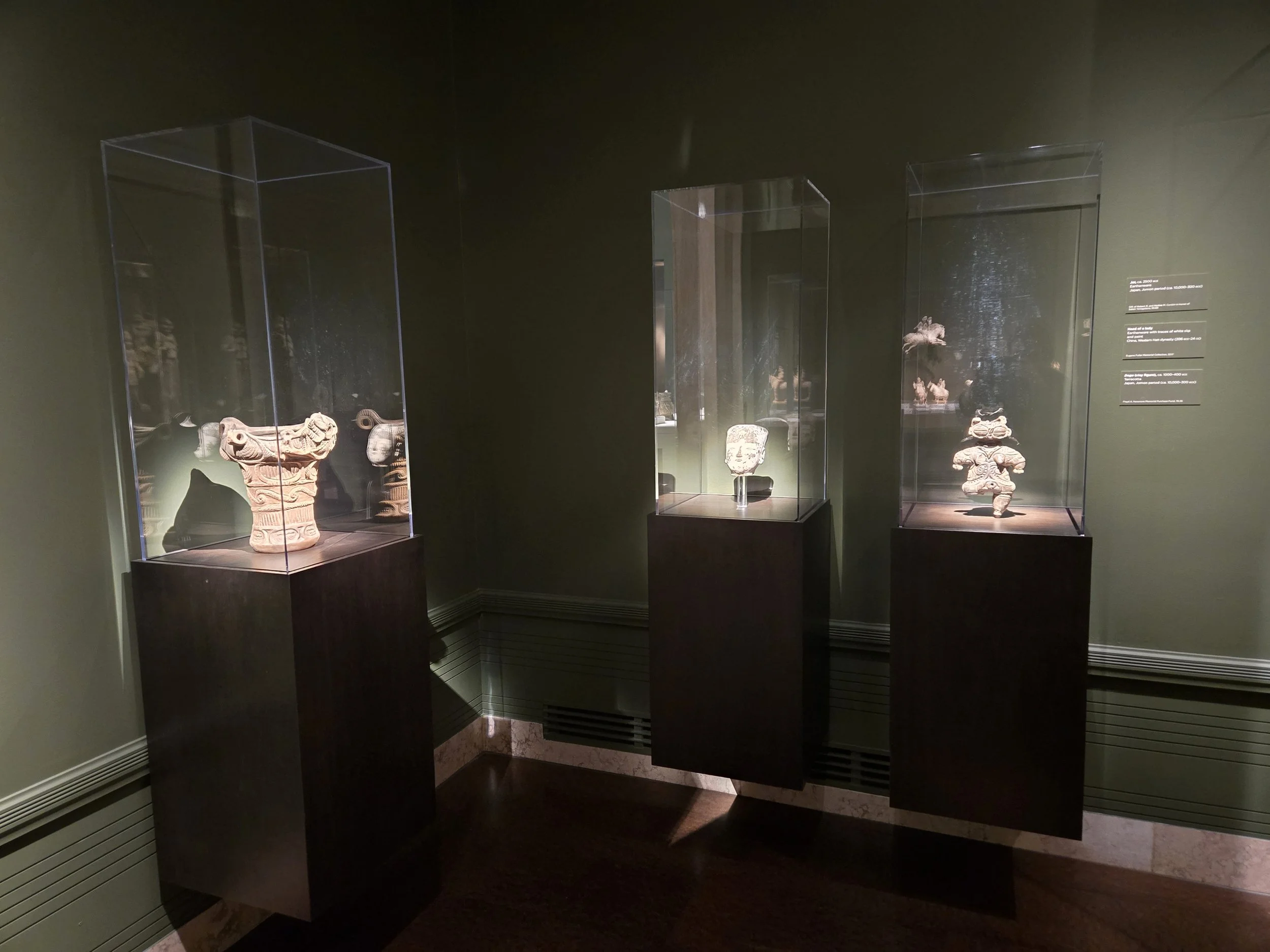
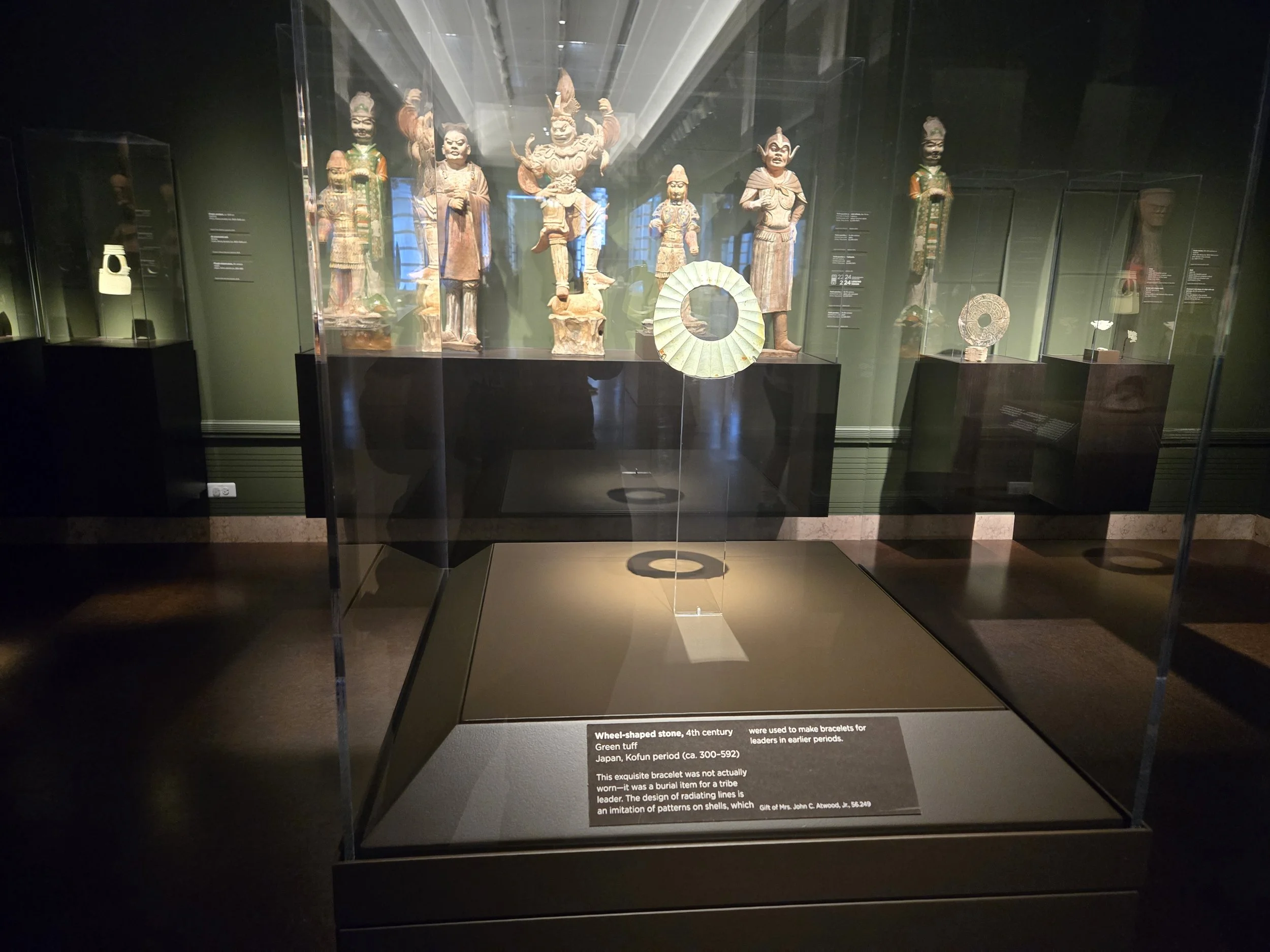
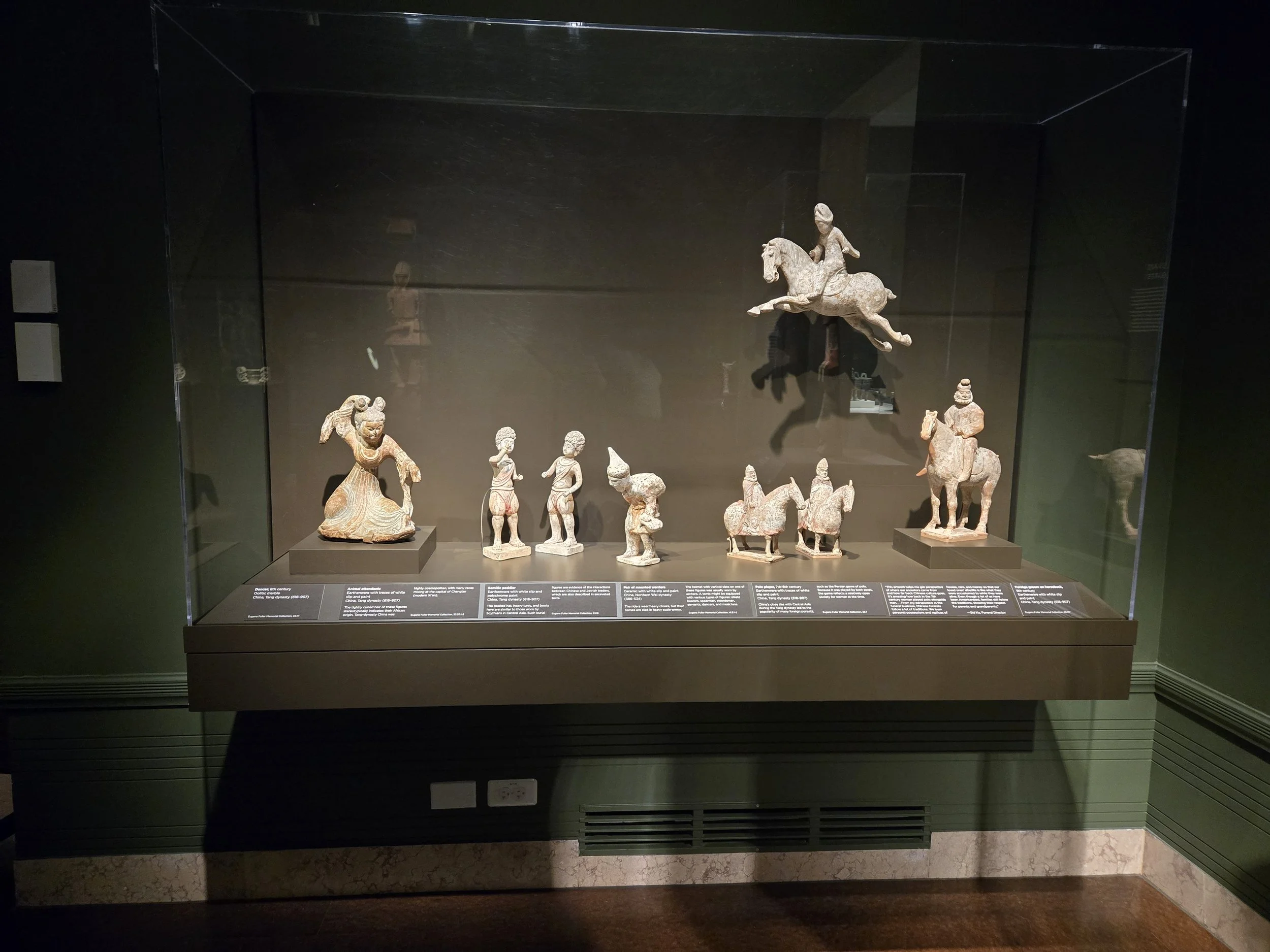
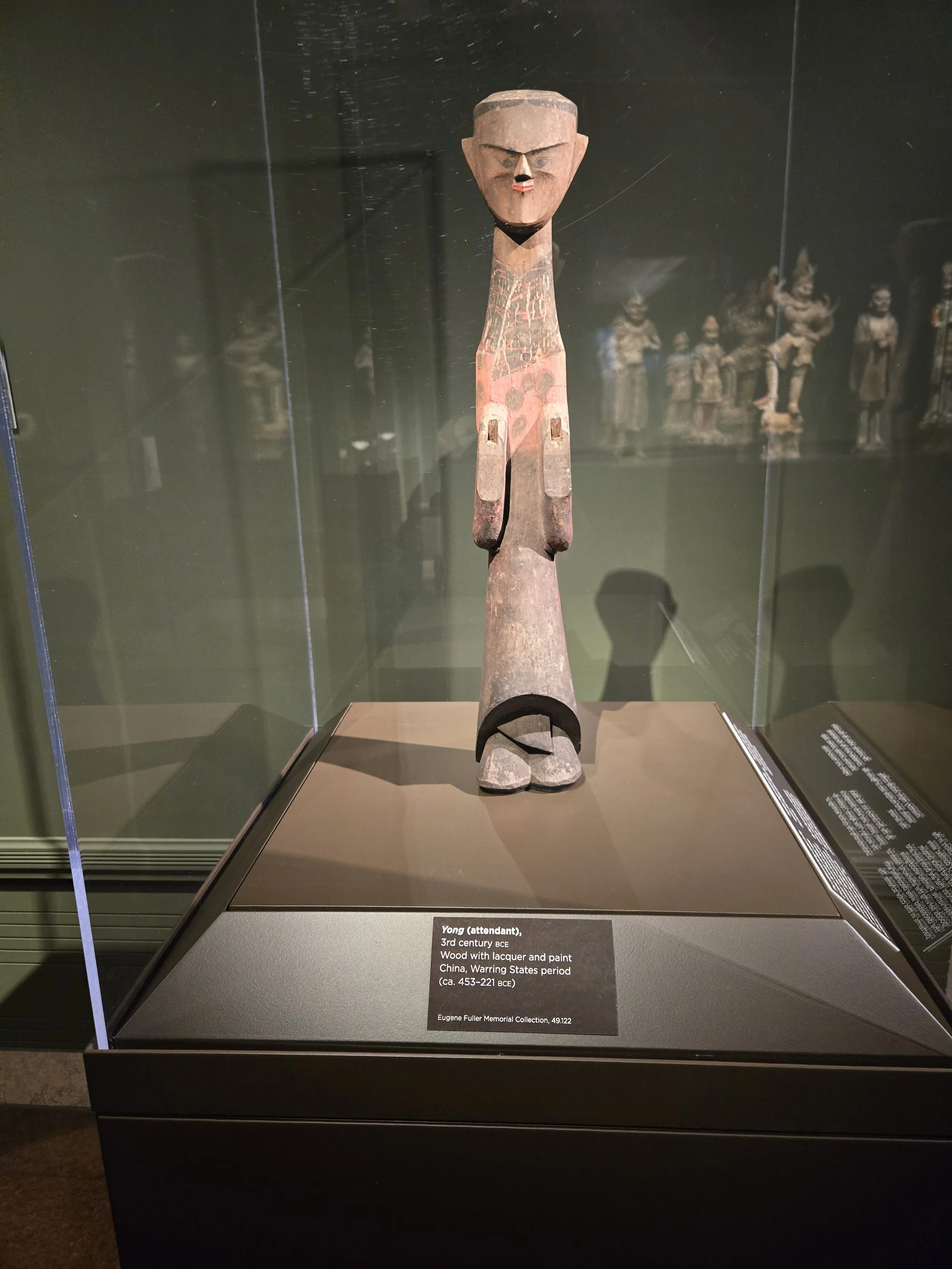
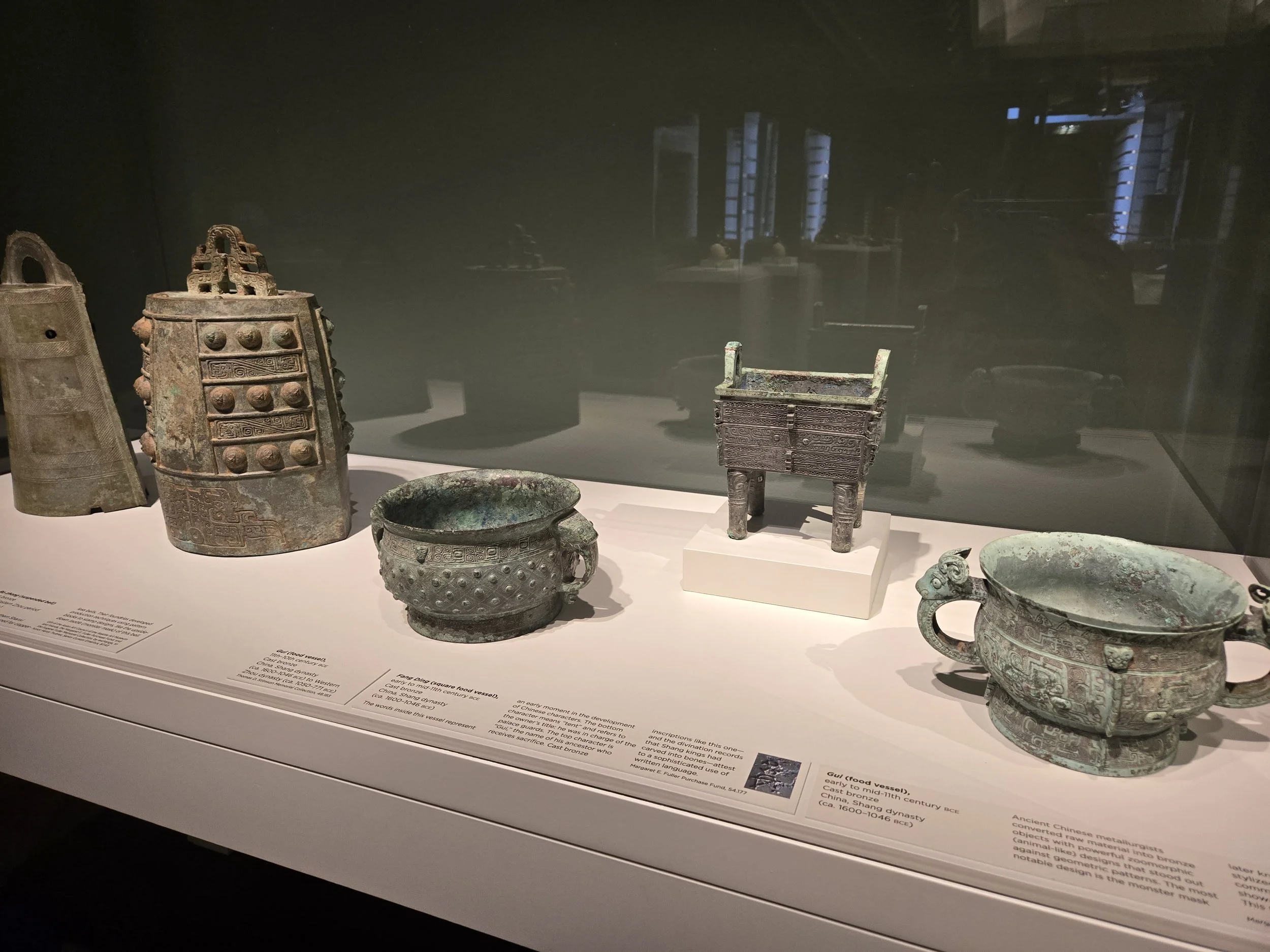
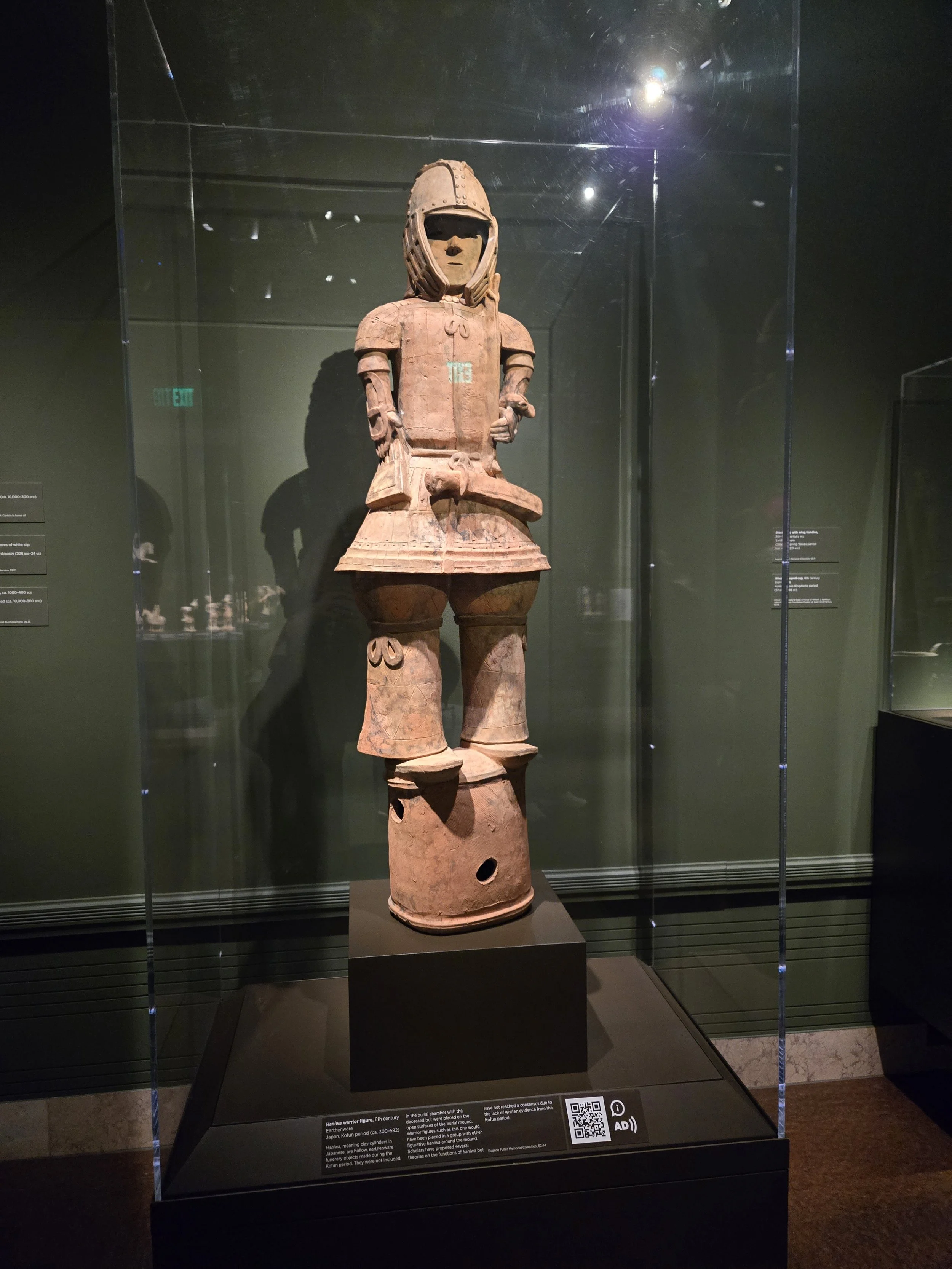
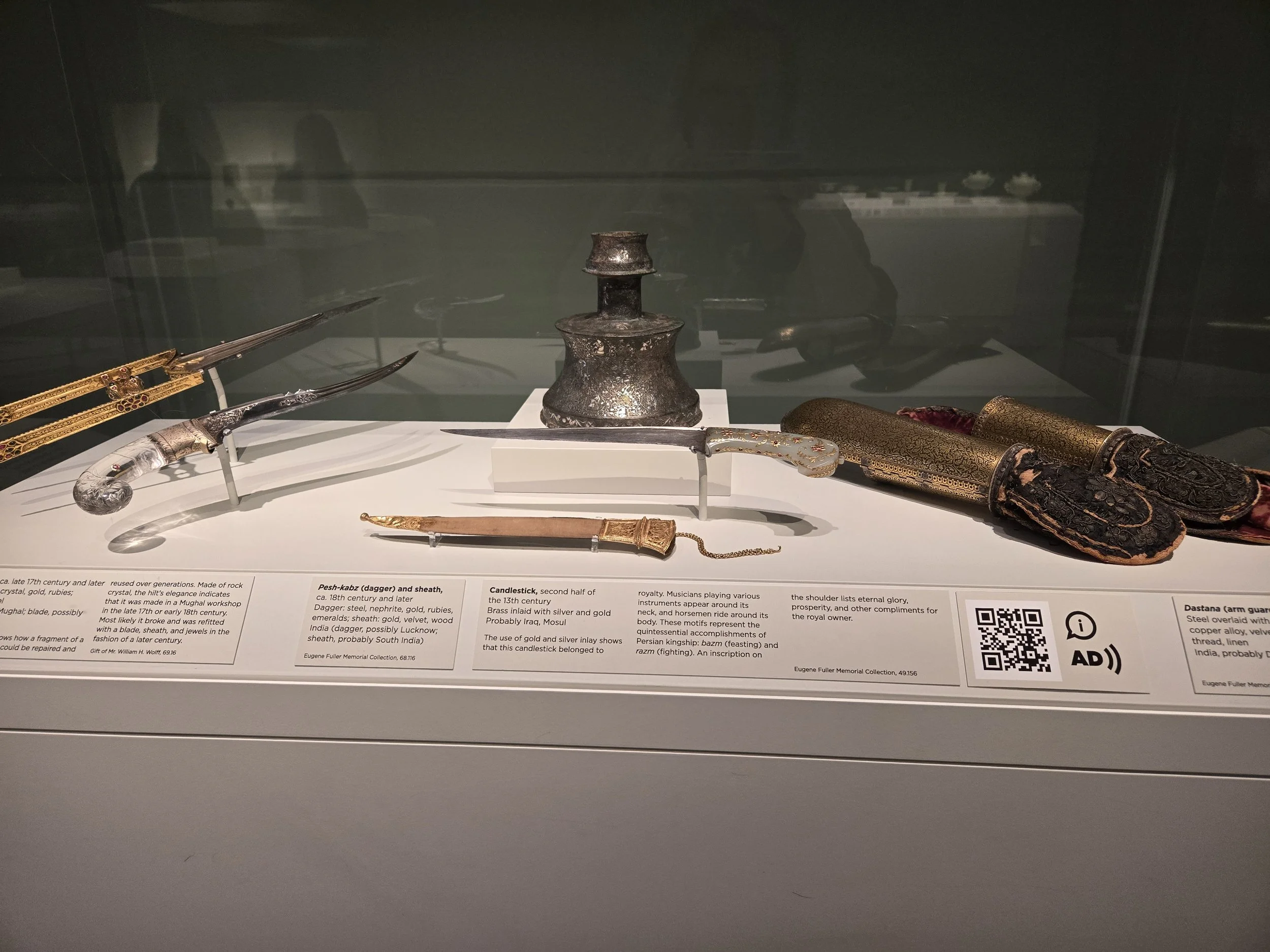
The last stop was the Asian Art Museum. This was one of my favorite museums out of all three that we visited. It has a lot of Asian historical artwork. What stood out to me the most was when Ms. Ho’s World Art History I class had shown us a photo of this worship art piece called the taotie motif vessel. When she was teaching us about it during Winter Quarter, I thought this art piece was much bigger, but no—it was actually very tiny, small enough to sit on a worship mantle.
I searched for Ms. Ho and told her what I originally thought. She started explaining more details about these pieces, and while she was explaining them to me, a small group gathered around to soak up her knowledge and ask questions too. It was nice to see what we had been learning for the past two quarters up close and personal. I am eager to learn World History III if I am able to make it to the next class.
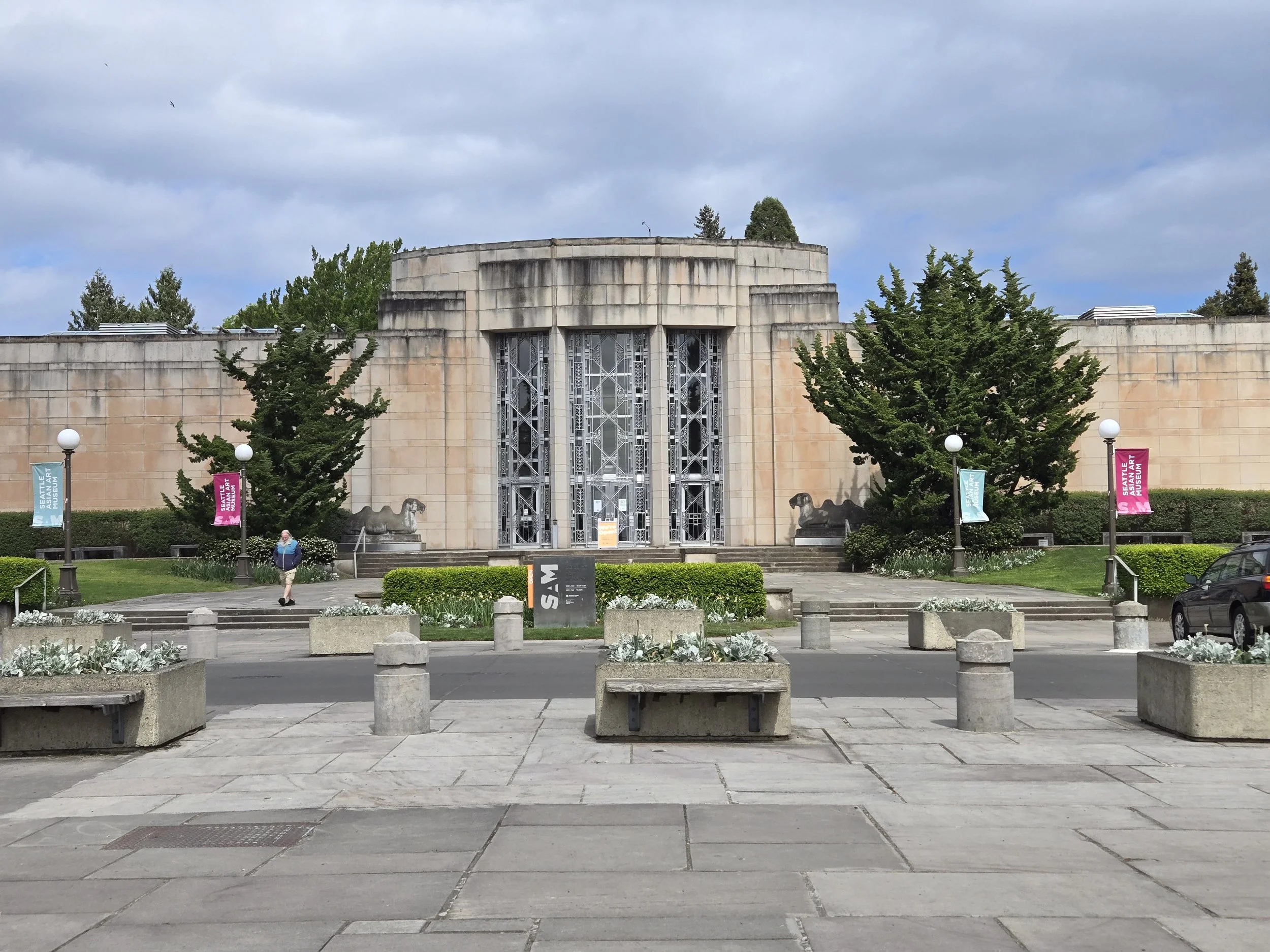
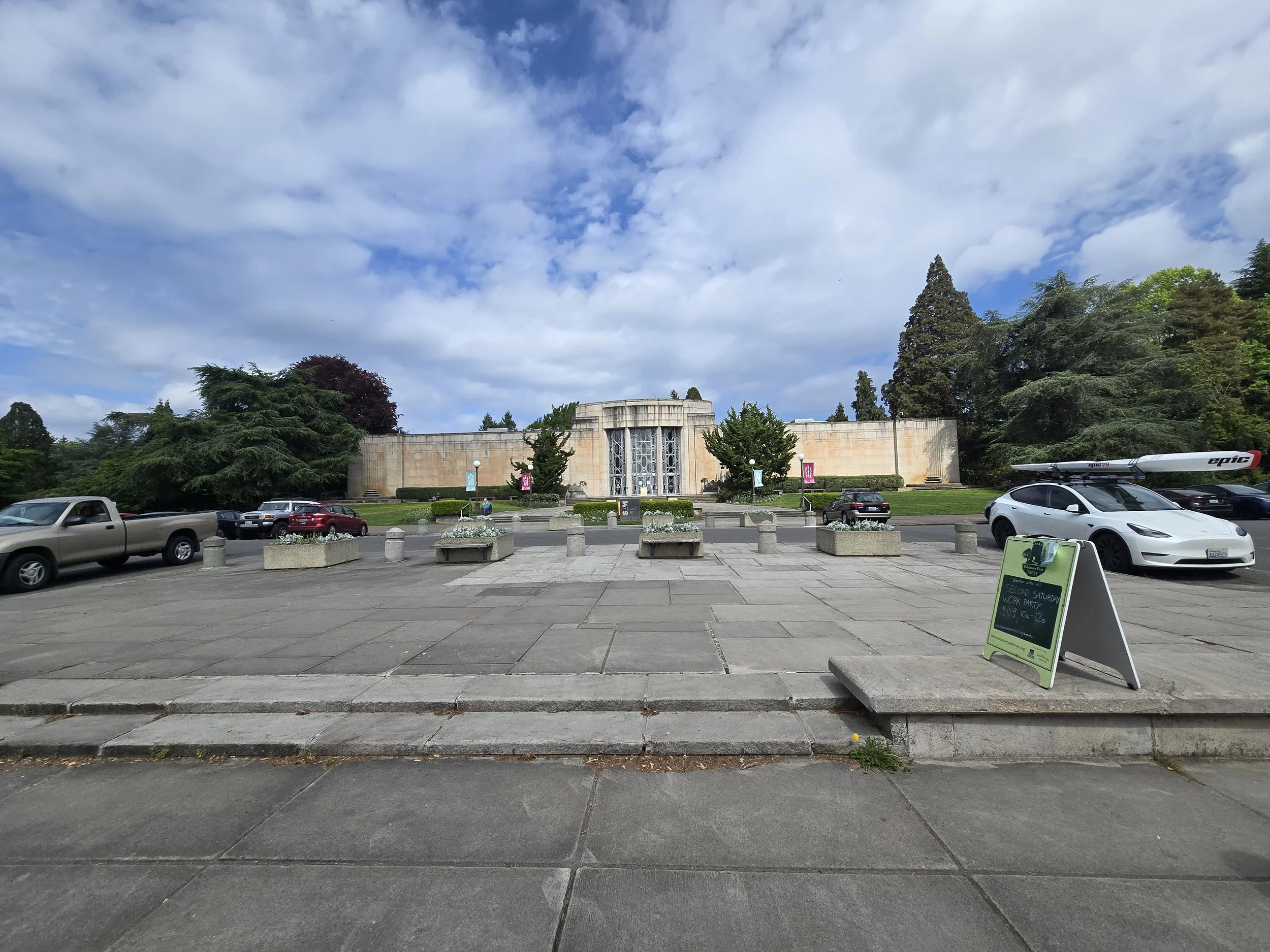
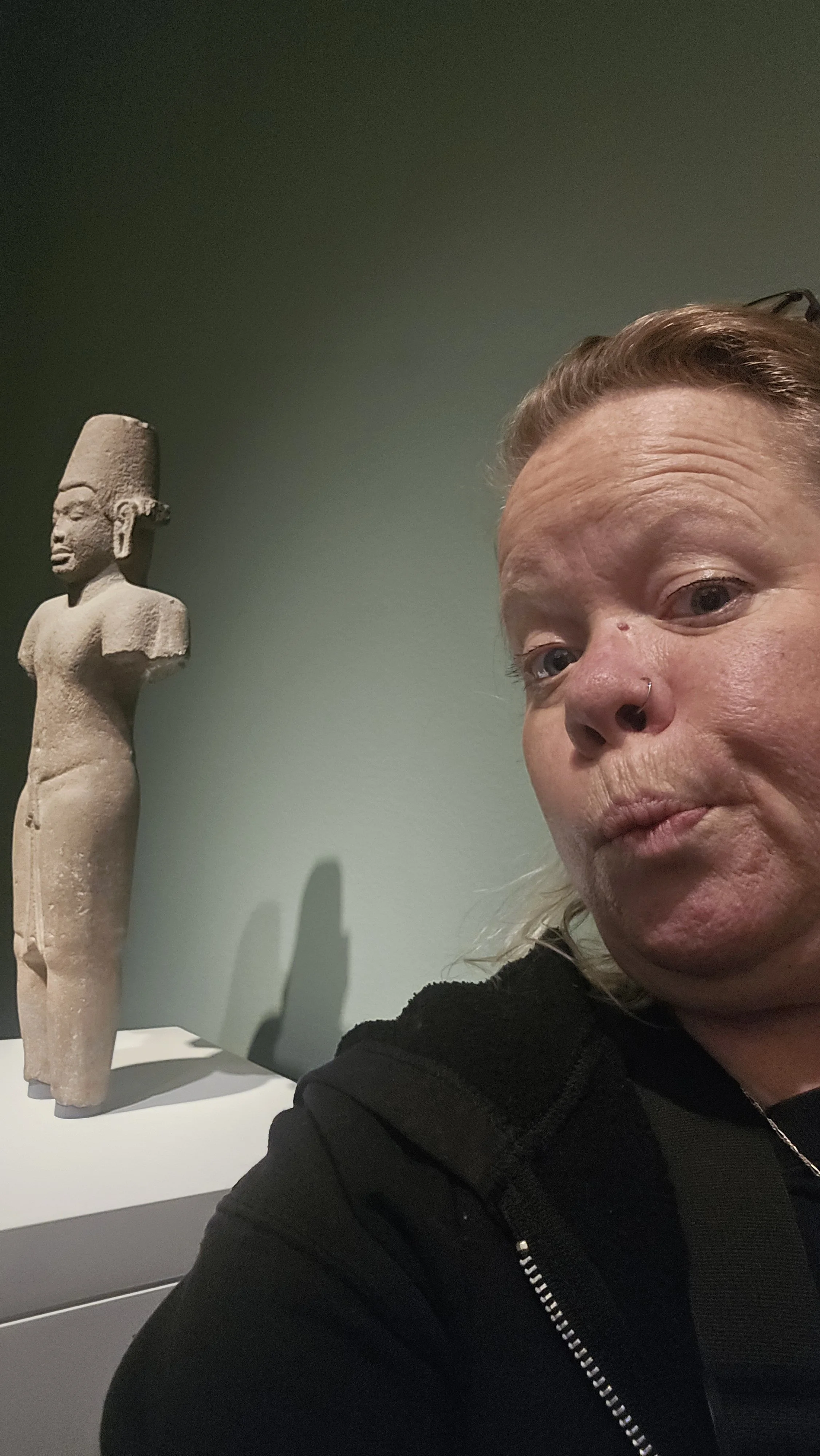
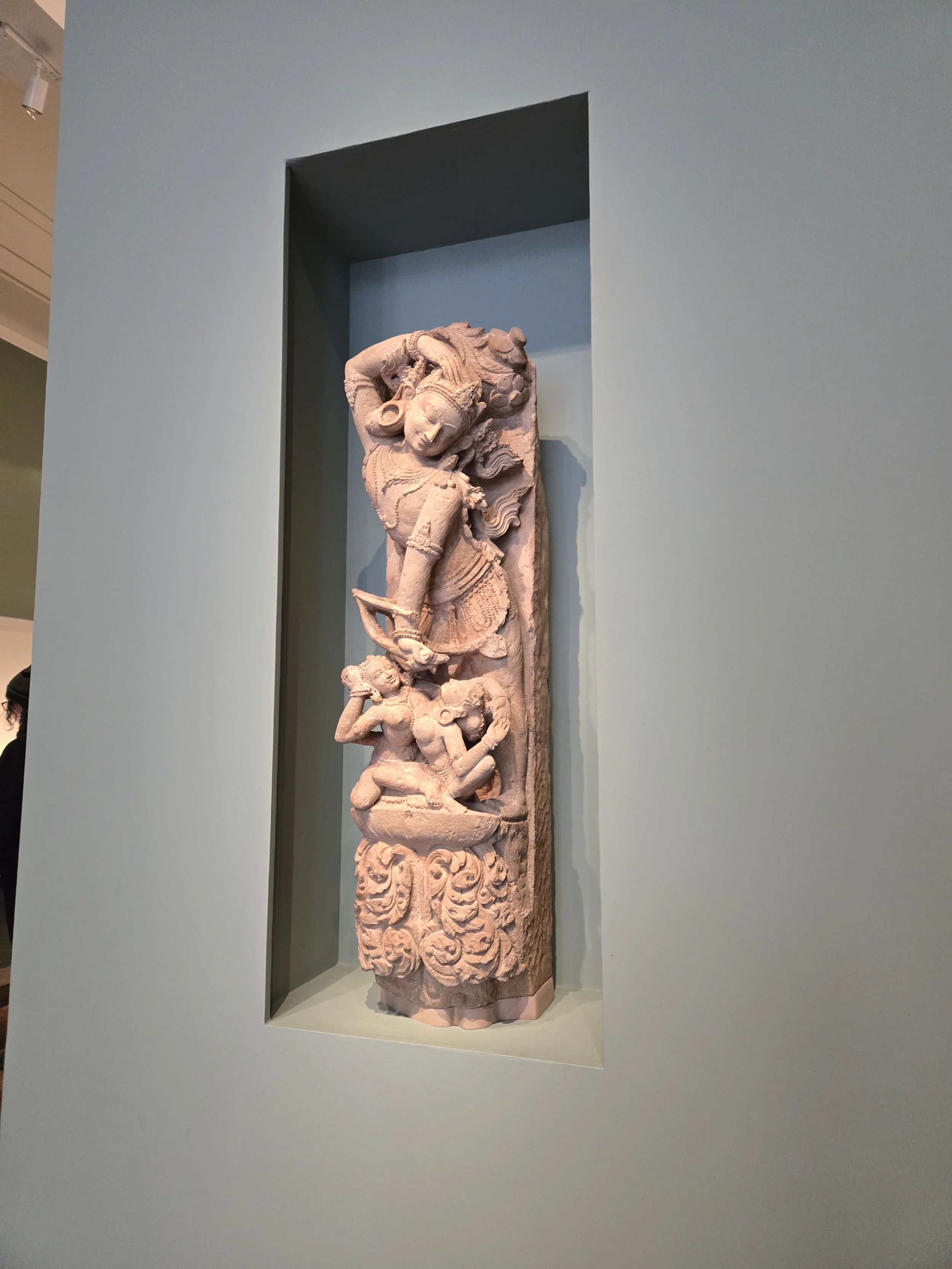
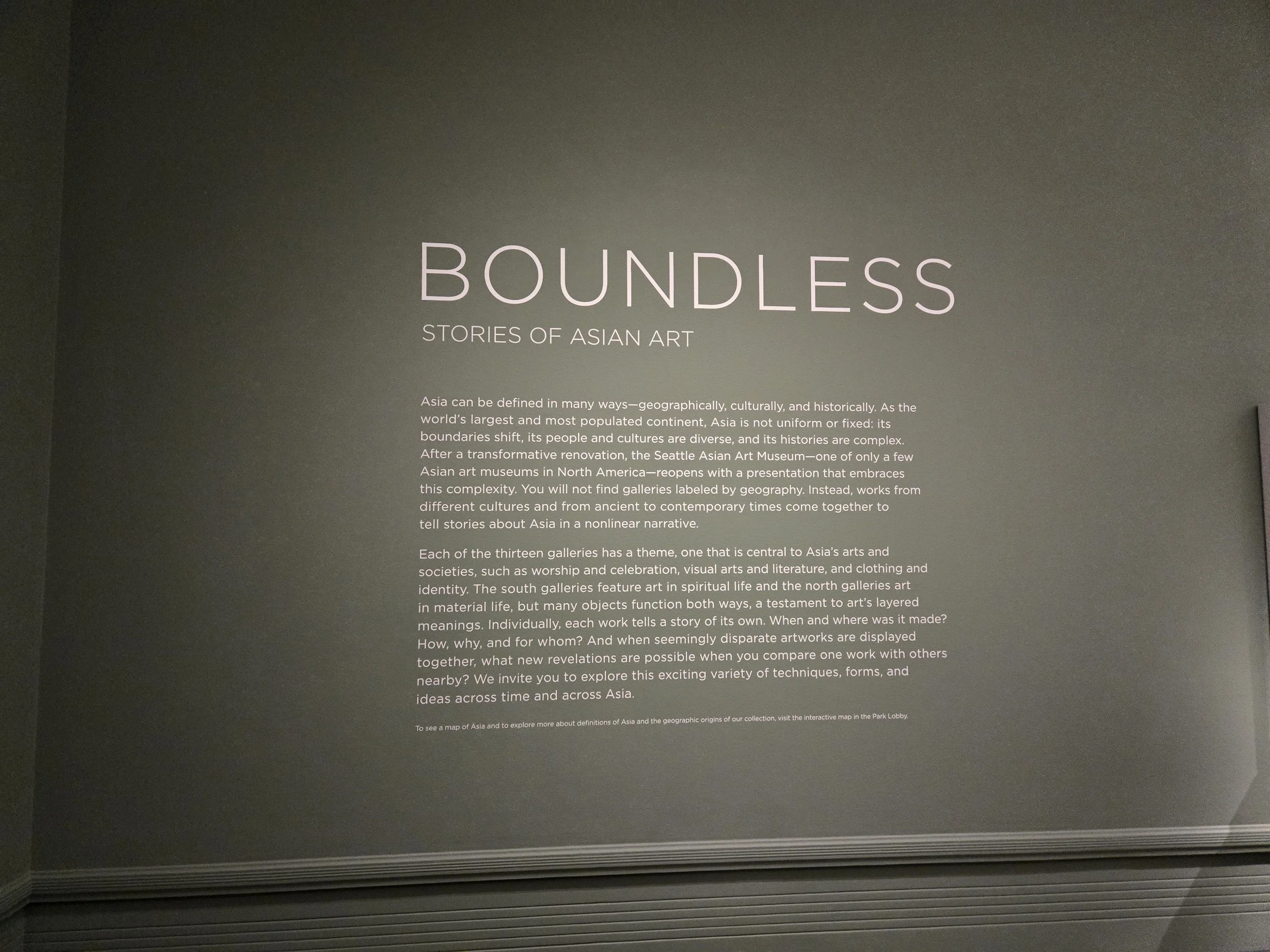
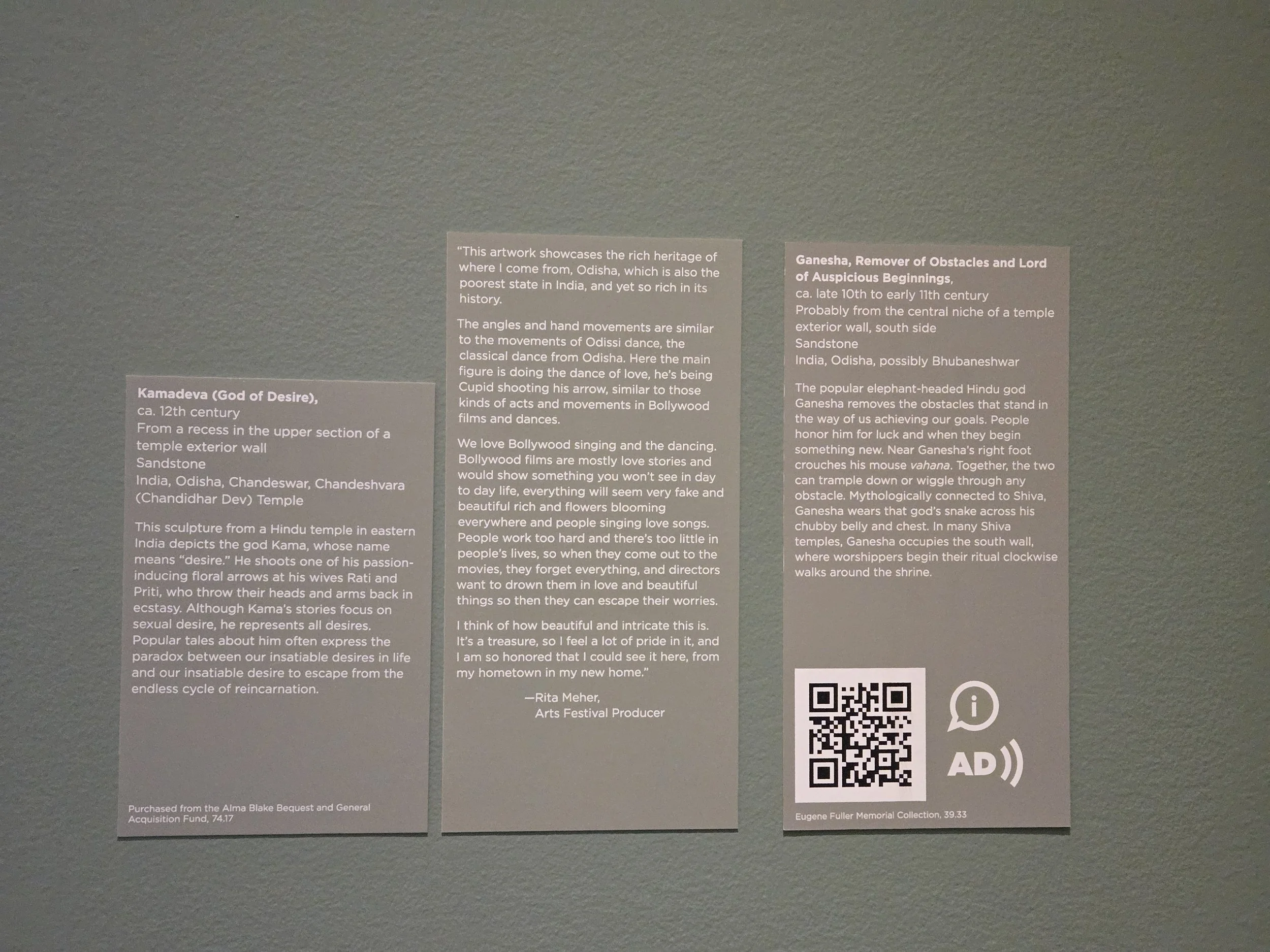
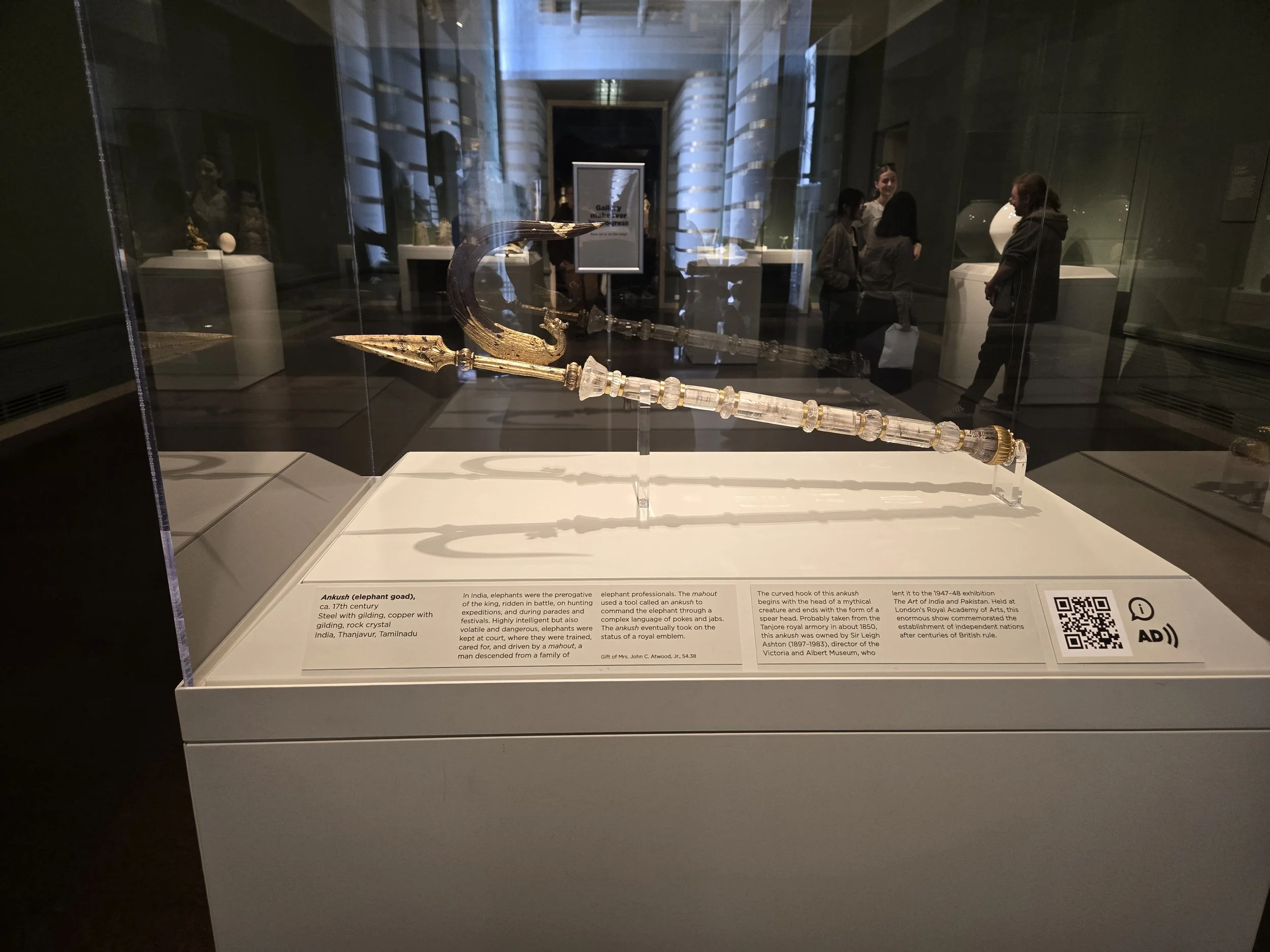
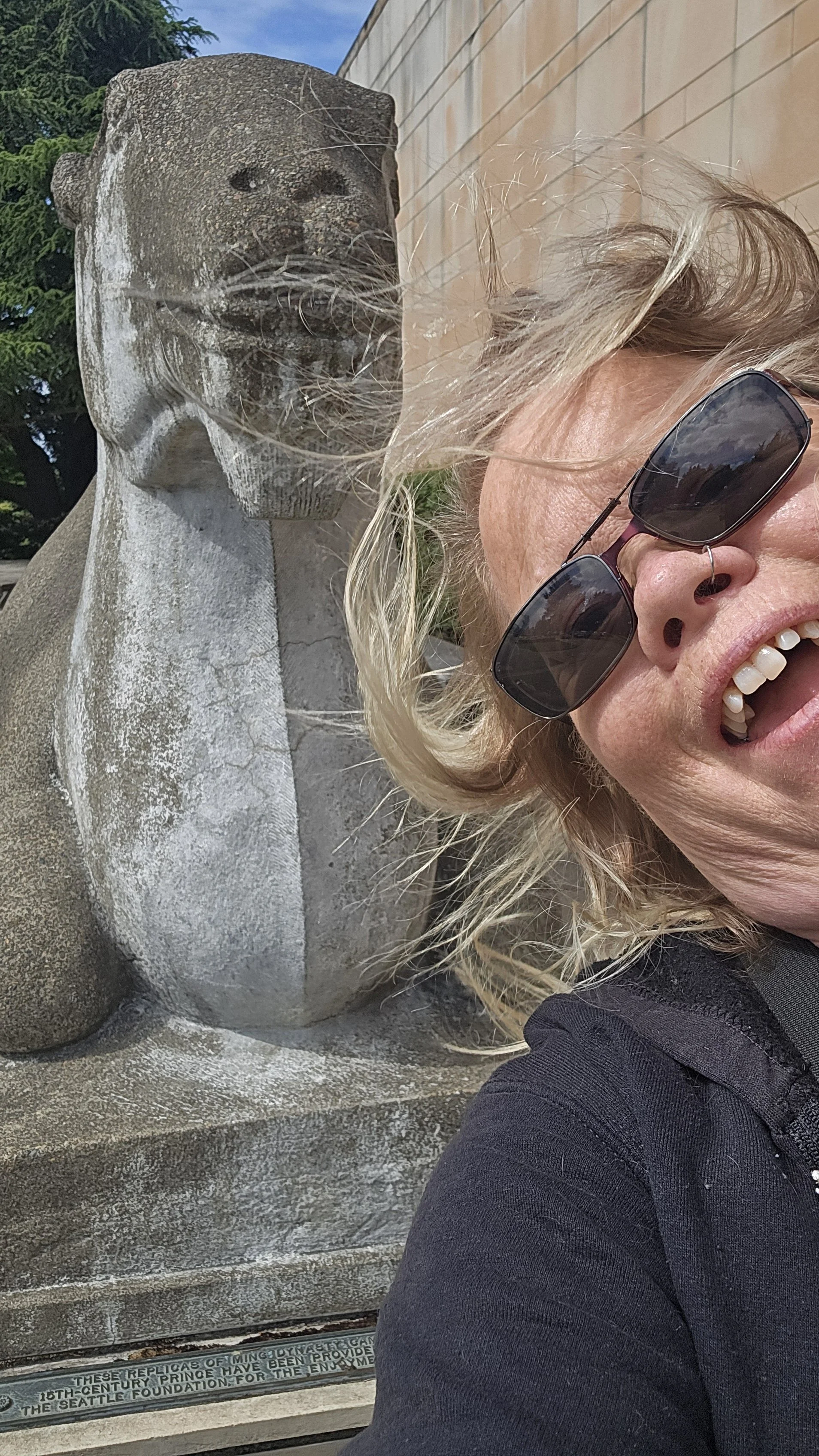
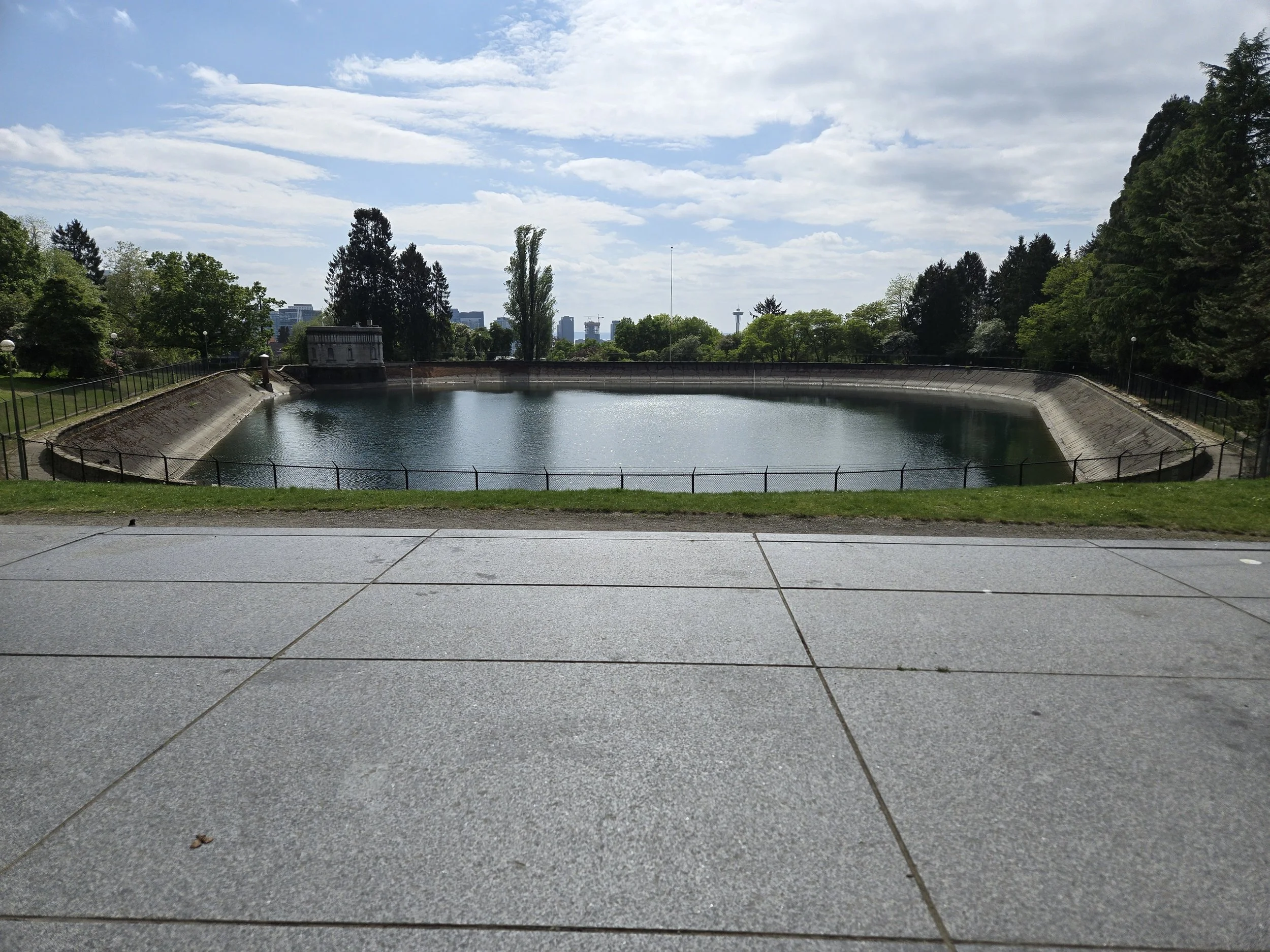
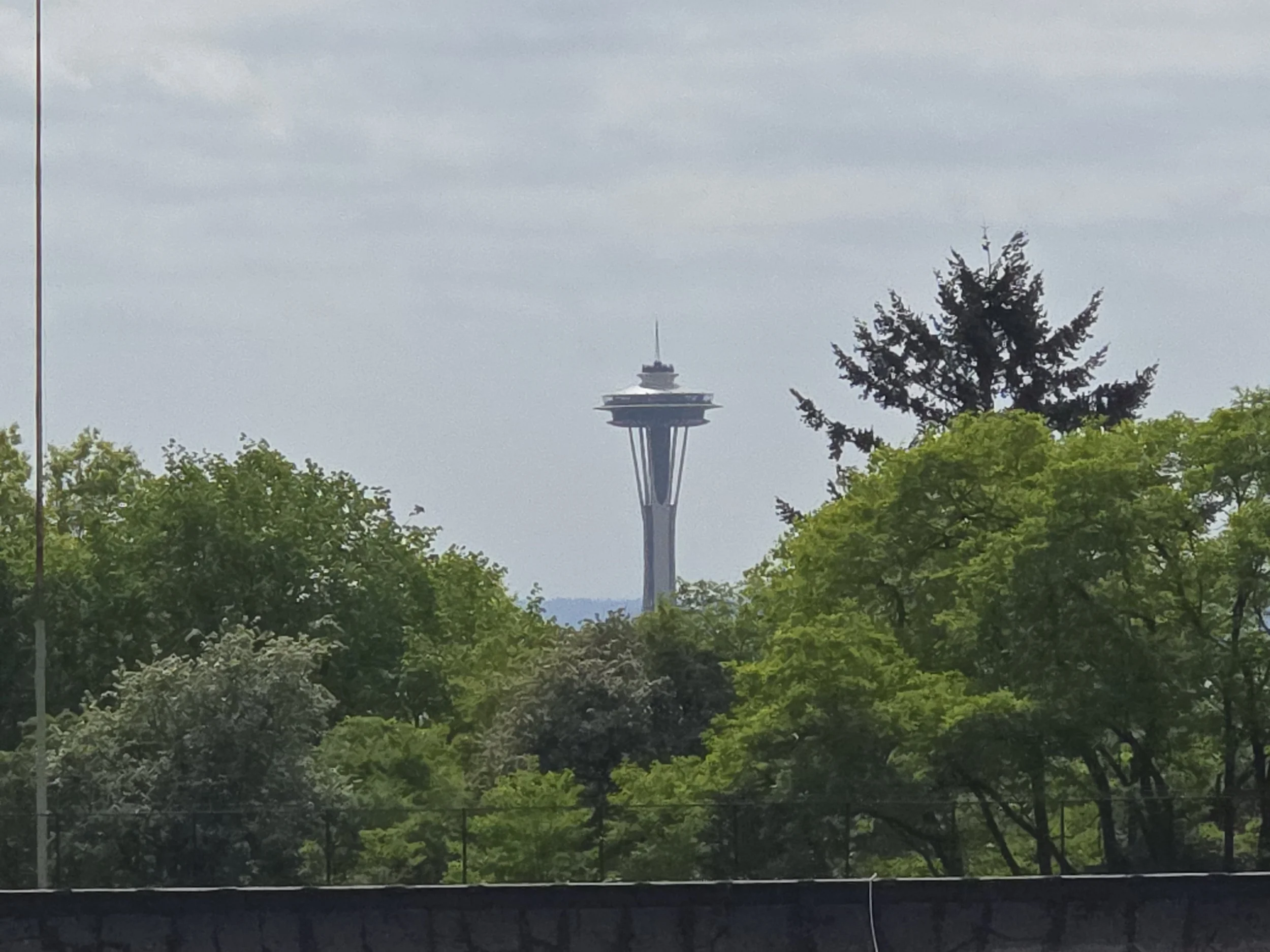
Here are the photos from that visit.
If you’re interested in visiting, I’ve included a button
that will take you directly to their website.
Heading Back to Ellensburg:
Well, that was my trip visiting three museums in one day. I am happy I got to see them. I have visited SAM before, I never knew that “zombie” building was an art museum, and I have always wanted to visit the Asian Art Museum. However, don’t take my word for it—take the time to check out these museums yourself. If not, I am pretty sure there are art museums close to your location too. It is nice to step out of the present and look at artwork from the past
Interested in checking out Shels’ blogs?
Take a look at Letstalkaboutthemusic.com for thoughts, news, and creative insights.